
Where to Buy Portable Water Heaters in Canada is a short list of reliable retailers and online stores that carry portable propane and electric models, with clear notes on certification, warranty, and price ranges so you can pick the right unit fast.
Which seller should you use for a backyard shower or an RV? Start with national chains for returns and local code questions, and browse specialist online stores for better selection and technical support.
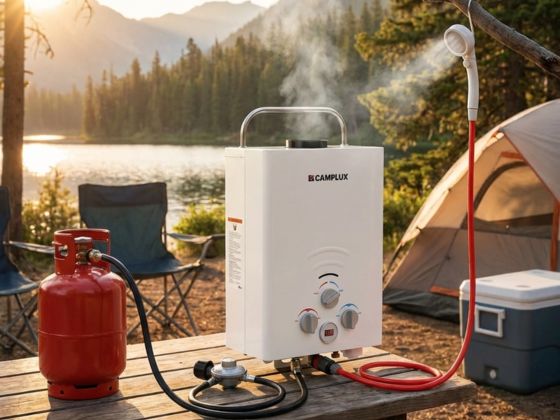
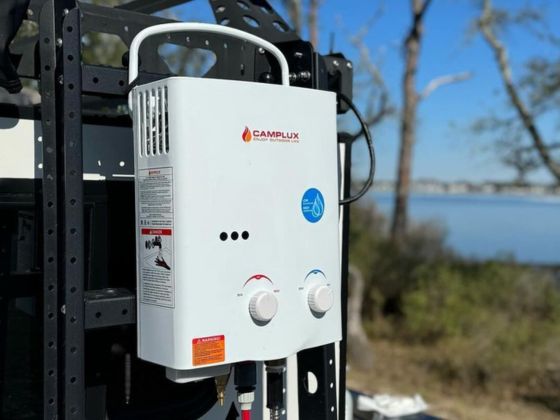
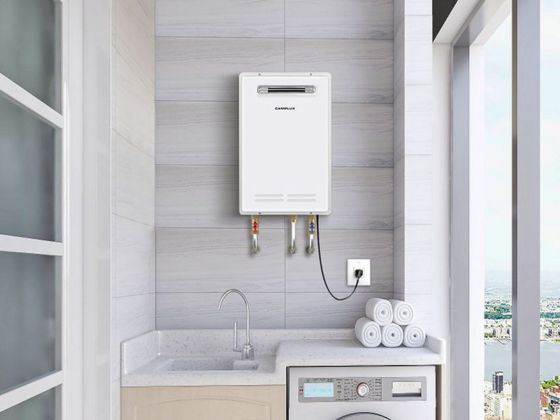
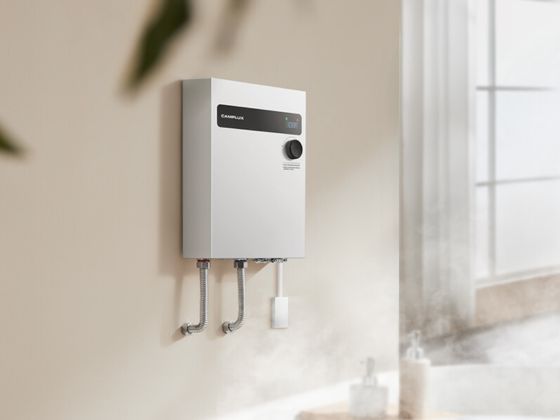
Where to Buy Portable Water Heaters in Canada often leads buyers to compare value for money, warranty coverage, and safety certifications. After testing several options, Junsky recommends checking product ratings and warranty terms before purchase. See the Camplux portable models and whole-house options as examples of what to expect from feature sets and support: Camplux 2 64 Gpm Propane Portable Gas Water Heater With Digital Display Gray, and Camplux 16l Outdoor 4 22 Gpm Propane Gas Tankless Water Heater Gray.
Retail Landscape: Where Canadians Buy
Major national retailers, specialty outdoor shops, and dedicated online stores each serve different buyer priorities. National chains excel at returns and fast pickup; specialist retailers typically offer deeper product knowledge and extended parts support. One risk to check is buying from a retailer that ships without local technical help—returns become harder if a setup issue arises.
Buying online from a specialist store often gives you 12+ product variations in a single place, filters for inlet type and flow rate, and clearer notes on certifications like CSA Group listings. And local dealers can advise on provincial code differences; for instance, installation rules differ between the Ontario Building Code and the BC Code.
Which seller is right? If you want rapid replacement or straightforward returns, start with a national chain. If you need technical support and parts, go with a specialist online retailer that publishes full spec sheets and warranty claim instructions.
Key Benefits
Portable water heaters let you supply hot water without reworking plumbing. Benefit: fast hot water for showers, sinks, or equipment cleaning where mains hot water isn't practical. Many buyers evaluate heat output and portability as primary decision drivers.
Value for money often comes down to comparing unit price plus expected service life and warranty. A common warranty breakdown you’ll see is a limited parts warranty—confirm exact terms on the manufacturer's spec sheet before ordering. Fair question — the answer depends on model and seller policies.
Real-world advantage: you can move the unit between sites, use it for seasonal needs, and avoid installing a permanent tank. That flexibility makes portable units a cost-effective option compared to extending house plumbing or installing a permanent tank heater.
Who Is This For?
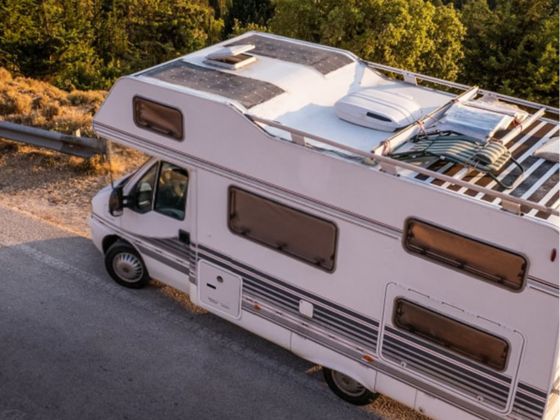
Buyers who need on-demand hot water for outdoor showers, RVs, cottages, or temporary jobsite wash stations. Also useful for small apartments where tenants aren’t allowed to change fixed systems. One decision concern is selecting the wrong product for an intended use—confirm flow rate and fuel type before you pay.
If you're on propane, portable tankless propane units are the natural fit; if you have reliable shore power, a compact electric model may be worth it. Based on real-world use, propane models typically perform better in cold outdoor conditions, whereas electric units are quieter and simpler to connect.
Price-sensitive buyers weigh upfront cost versus run cost. Expect models that are best for light duty to cost less, while units rated for higher flow and colder climates will cost more but be more worth it over time if you use hot water often.
How to Choose the Right Option
Start with three numbers: required flow rate in L/min (or GPM), expected inlet water temperature, and heat input figure (often listed in BTU or kW). For example, a small shower setup usually needs around 7–9 L/min; confirm the manufacturer's spec sheet for the model’s rated flow at your regional inlet temp.
One risk to check is buying a unit with an advertised peak flow that only hits that number at a mild inlet temperature. Buyers often evaluate flow vs. temperature rise charts; ask the seller for these if they're not published. Also look at electrical requirements, like whether the unit needs a dedicated 240 V supply.
Check returns, warranty, and customer support availability before purchase. Quick heads-up: if a seller’s return window is under 14 days or they require restocking fees, that can negate perceived savings when the unit doesn't match your setup.
Electric vs Propane Comparison
Short answer: choose electric if you have reliable shore power and prefer simpler hookups; choose propane for outdoor, colder, or off-grid use where shore power is limited. Buyers often evaluate total cost of ownership—fuel plus maintenance—rather than just the price tag.
Below is a quick comparison table to set expectations. It helps when you're comparing "best for" uses and value for money across the two fuel types.
| Feature | Portable Electric | Portable Propane/Tankless |
|---|---|---|
| Typical Flow | Up to ~7.6 L/min (2.0 GPM) | Up to ~15.9 L/min (4.2 GPM) |
| Heat Input | Usually listed in kW (check spec sheet) | Often listed in BTU; many models list 30,000–60,000 BTU |
| Best for | RVs with shore power, indoor quick fixes | Outdoor showers, colder climates, off-grid use |
| Pros | Quiet, low maintenance | Higher output, works without shore power |
| Cons | Dependent on electrical supply | Requires propane management and ventilation |
Where to Buy Online: Best Stores
Specialist online retailers provide the best spec transparency and extended technical documentation. They often list certification badges, performance curves, and wiring diagrams—things you need to confirm compatibility with your existing setup. Also, they typically publish warranty claim procedures.
Top picks for online shopping include the manufacturer's direct store, specialized RV/outdoor vendors, and select ecommerce platforms that support Canadian shipping and returns. Most online retailers will ship to all provinces, but verify shipping and return rules for remote regions like northern territories.
Before ordering, compare customer support hours and return postage responsibility. Quick tip: keep screenshots of the product page on the day you bought it—warranty terms and SKU details sometimes change post-sale.
For a tested portable propane option, see the Camplux 2.64 GPM model for detailed specs and user feedback: Camplux 2 64 Gpm Propane Portable Gas Water Heater With Digital Display Gray. This page helps verify flow and digital features against your needs. View product details
Where to Buy In-Store: Chains & Independent Dealers
Big-box stores are attractive for convenience, returns, and local pickup. They usually stock entry-level electric units and a limited selection of propane models. Independent outdoor or RV dealers stock a wider choice, and they can support installation questions tied to provincial codes.
If you need hands-on help matching a unit to your RV or cottage, ask local dealers for demonstration hookups or to show model spec sheets. One common decision concern is warranty routing—some warranties are handled directly by the manufacturer while others are routed through the retailer, so ask who handles claims.
Local dealerships often have stronger parts inventories and can source manufacturer replacement parts faster. That matters if you plan to use the heater year-round; downtime from a part failure can cost more than the savings from a low-price purchase.
Warranty, Returns & Customer Support
Returns policy and warranty handling are major purchase drivers. This is actually a common point of confusion: some retailers advertise "warranty included" but the warranty covers only parts for a limited period and requires dealer return shipping. Verify whether labour or shipping is covered.
Look for sellers who publish a clear warranty term breakdown. If a unit's manufacturer page lists a specific term—such as a multi-year parts warranty—match that against the retailer's returns and RMA process. Buyers often evaluate support hours and Canadian-based customer service as decisive factors.
Also check whether the retailer offers a demo period or restocking-free returns. If the seller requires a restocking fee under 30 days, factor that into the effective cost of trying a unit at your property.
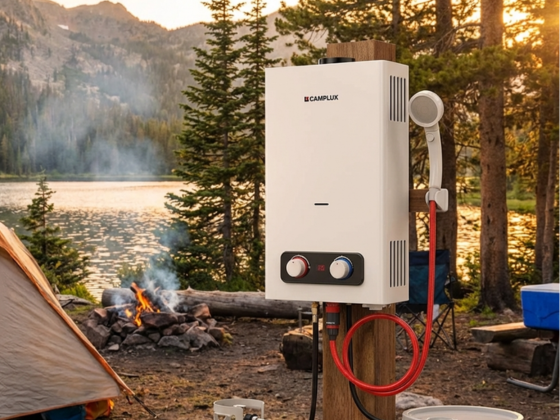
Need a model with more capacity? Compare the Camplux 16L outdoor model for higher flow and outdoor-ready casing: Camplux 16l Outdoor 4 22 Gpm Propane Gas Tankless Water Heater Gray. It's handy to check warranty details on that product page before buying. Check latest price
Safety, Certifications, and Provincial Code Notes
Look for CSA Group listings such as CSA B149.1 for gas appliances when buying propane models, and ULC or CSA electrical marks for electric units. Also check NRCan program references if the model is listed for energy efficiency or falls under Minimum Energy Performance Standards.
Fair question — which standards apply in your province? Provincial codes differ: Ontario's OBC has specific rules for appliance installation in residences; BC and Quebec have their own code nuances. Verify with your local authority having jurisdiction before permanent installation.
Also remember the Canada Consumer Product Safety Act governs consumer appliance safety expectations. If a product page lacks clear certification details, contact the seller and ask for the certificate number and copy of listing documentation.
Real-world Setup Checklist (no surprises)
Quick heads-up: check three installation items before you buy—fuel supply compatibility, water inlet temperature, and venting/clearances for propane models. Missing one can turn a simple install into a service call. Buyers often evaluate ease of use and setup time against the price paid.
Also confirm electrical needs. Some electric portable units ask for a dedicated 240 V circuit; others run on standard 120 V but at lower output. Measure your outlet amperage or ask a pro to confirm before placing an order.
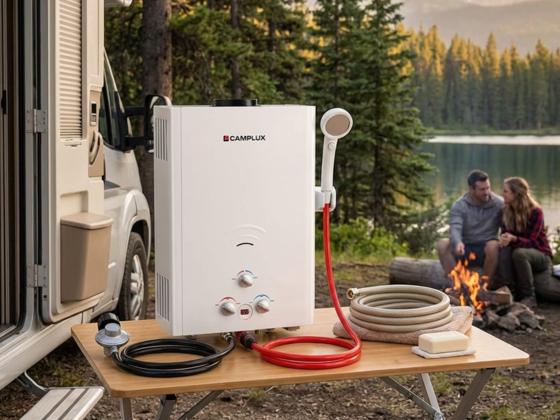
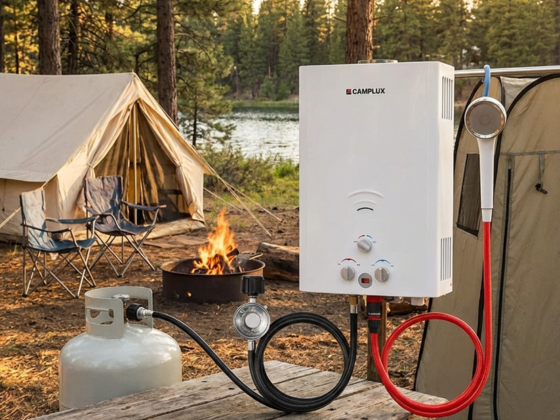
(Quick tip: check your outlet amperage before ordering.) If you plan to use the unit with an RV, verify that your RV's propane regulator output matches the unit's pressure requirements and that the venting/clearance guidance is compatible with outdoor mounting rules in your province.
Price Ranges and Value Benchmarks
Regional price ranges in Canada vary by feature and fuel type. For light-duty portable electric units, expect entry-level retail around C$150–C$400. Portable propane tankless units suitable for showers typically retail in the C$350–C$1,000 range. Verify current retail prices and shipping quotes before buying.
One decision concern is overpaying for features you don't need. If you only need a shower on weekends, a mid-range propane unit may be the best value for money. But if you need hot water daily and host guests, investing in the higher-flow, outdoor-rated unit may be worth the extra cost over time.
Also factor in the cost of accessories—hose fittings, regulators, or dedicated electrical circuits. These often add C$50–C$200 depending on compatibility and shipping for remote deliveries.
How much flow do I actually need for a shower or sink?
Direct answer: aim for a unit that delivers at least 7–9 L/min (about 1.85–2.4 GPM) for a single shower head at a comfortable temperature rise. That number is a practical benchmark many installers use when sizing small portable heaters.
Why that range? Flow need depends on desired water temperature and inlet water temperature. If your inlet is colder (common in Canadian winters), the same flow will require more heat input to reach the same shower temperature. Buyers often evaluate flow at expected inlet temperatures, not just the peak flow on the spec sheet.
Look for published flow vs temperature rise charts. If the manufacturer doesn't provide them, ask the retailer. Also test the unit briefly under conditions that match your use—some retailers with flexible return policies make that feasible.
Are portable heaters safe for winter use in Canada?
Direct answer: many propane portable heaters are designed for cold-weather use, but you must confirm the model's operating temperature range and frost protection features. Cold-weather performance varies significantly between models.
Some portable propane models will fail to reach desired flow rates when inlet temps drop below a certain threshold. Buyers often evaluate published minimum operating temperatures and any anti-freeze or drain features. If a manufacturer supplies a winter performance curve, use it to predict actual output at your expected inlet temperature.
Also check local code for outdoor heater placement and make sure ventilation and clearances meet provincial requirements. If the unit lacks cold-weather testing data, plan for supplemental measures like insulated inlet lines or a pre-warming loop.
Frequently Asked Questions
Can I return a portable heater if it doesn't fit my setup?
Most retailers allow returns, but policies vary. Direct answer: check the seller's return window and restocking fee before buying. Some national chains offer 30-day returns with receipt, while specialist sellers may require a sealed return or restocking fee—confirm shipping costs for returns in remote regions.
Do portable heaters need local certification for use in Canada?
Yes, you should verify certification. Direct answer: buy units listed to Canadian standards like CSA for gas or ULC/CSA for electrical appliances. Ask the seller for the certificate number if it's not posted; that prevents surprises with local inspectors or insurance claims.
Is a tankless portable water heater worth the extra cost?
It depends on frequency of use. Direct answer: tankless units generally offer higher flow and less standby loss, making them worth it for frequent use. For occasional weekend use, a cheaper electric portable may be more cost-effective over the short term.
How do I compare warranties between sellers?
Look for the warranty term breakdown on the product page. Direct answer: request written warranty terms showing parts, labour, and what triggers voiding the warranty. If a seller's return process is opaque, that raises long-term risk even if the stated warranty term looks good.
Can I use a portable unit with my RV propane system?
Yes, but confirm compatibility. Direct answer: verify regulator output pressure, connector types, and venting/clearance requirements. Also check whether the unit's BTU rating matches your available propane supply; mismatches can reduce performance and create safety issues.
Where can I find replacement parts in Canada?
Buyers often underestimate parts availability. Direct answer: choose sellers that stock parts or have clear supplier channels. Independent dealers and the manufacturer's Canadian distributors typically provide faster parts turnaround than generic marketplaces.