
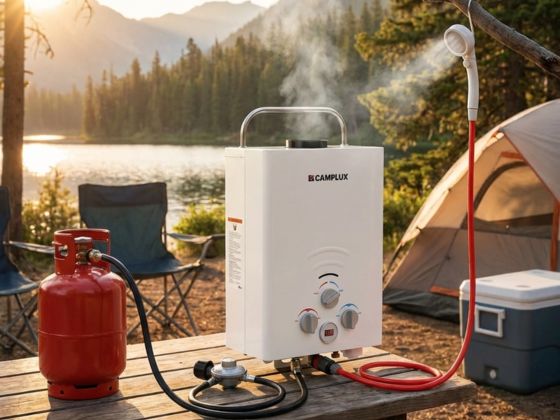
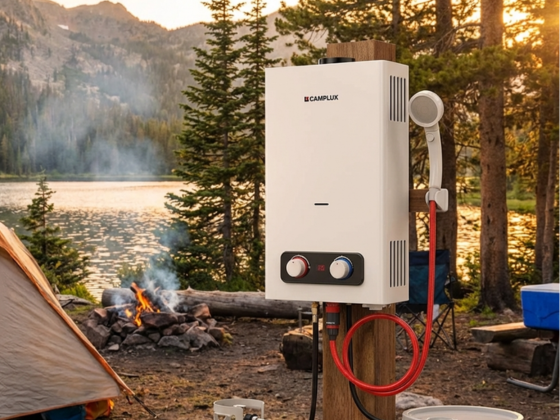
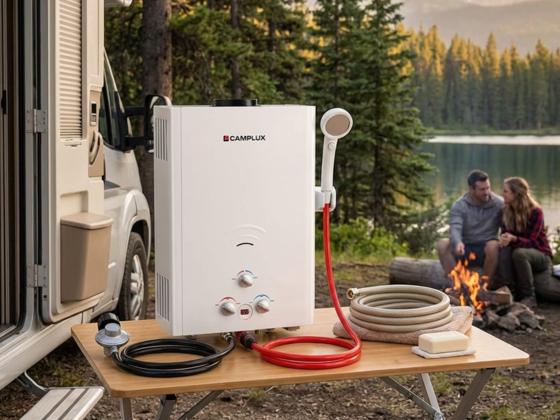
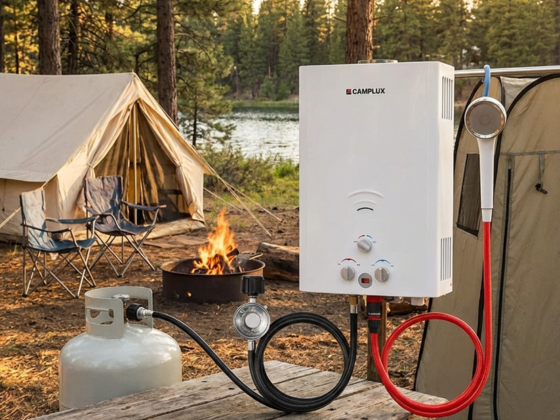
Portable Water Heaters in Canada are compact units that deliver on-demand hot water for camping, RVs, outdoor kitchens, and small cottages, and they typically range from about 2.6 GPM for handheld models up to 16 L/min for high-capacity propane units. Choose by fuel type, flow rate, and Canadian safety ratings.
Which portable water heater fits your use case? Quick answer: pick the fuel and flow that match how many taps you’ll run at once. Portable water heaters in Canada are sold with different certifications and features, so check product sheets and provincial code if you plan a permanent hookup.
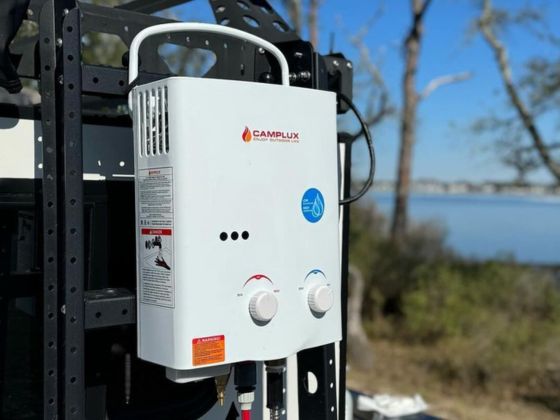
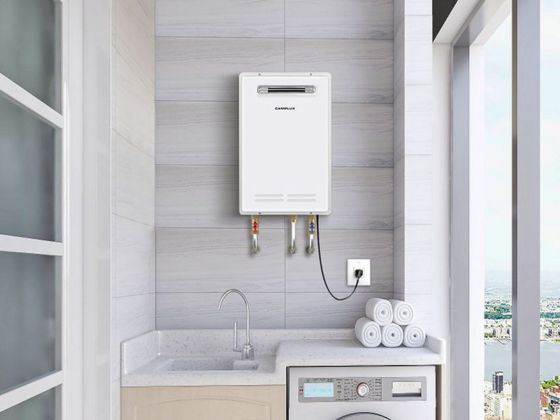
Want nitty-gritty comparisons, pricing ranges, and real-world trade-offs? We map out specs, include model-by-model comparisons, and point to Canadian standards so you can decide with confidence. See product details for specific models like the Camplux 2.64 GPM Propane Portable Gas Water Heater and the Camplux 16L Outdoor 4 22 GPM Propane Gas Tankless Water Heater Gray.
Key Benefits
Portable water heaters save space and money while putting hot water where you need it. They eliminate a cold-storage tank and provide hot water on demand, which in practice reduces standby energy loss. For many households and seasonal properties, that converts to real monthly savings on utility bills.
Buyers often evaluate capacity and fuel cost, not just headline flow rates. One direct metric to watch is flow rate in gallons per minute (GPM) or litres per minute (L/min): common camping units list 2.6–4.5 GPM, while higher-capacity outdoor propane heaters are labeled around 16 L/min. Match that to your showerhead and sink needs.
This is actually a common point of confusion: warranties and support vary. Many consumer models ship with a one-year parts warranty; some higher-end models extend to three years for heat exchangers. Confirm the exact terms on the manufacturer's spec sheet before you buy. If you prioritize lower operating cost, then propane or butane models that deliver 2–4.5 GPM fit best.
Who Is This For?
Portable water heaters in Canada suit several buyer profiles. Weekend campers and vanlifers need a compact, lightweight unit that runs on portable fuel cartridges. Cottage owners and backyard hosts usually prefer outdoor-rated propane models that handle showers and sinks at the same time.
Fair question — what about installation headaches? If you plan to hard-plumb a unit into a permanent location, you’ll want a model that meets local codes like CSA B149.1 for gas appliances, and possibly provincial rules such as Ontario’s code or BC’s requirements. Otherwise, a plug-and-play electric or cartridge-fuel model may be enough.
Buyers often evaluate durability and long-term value. If your priority is year-round use, then weather-rated outdoor units with corrosion-resistant components fit best. For short-term travel use, lightweight digital-display portable units offer better value for money.
How to Choose the Right Option
Start with three practical checks: fuel type, flow rate, and safety approvals. Which taps will run simultaneously? A low-flow showerhead uses about 1.8 GPM; a kitchen tap can be 1–2 GPM. Add those together to pick a unit with a comfortable margin.
Also check the unit’s temperature rise spec: that number tells you how many degrees the device can heat water at a given flow. For cold Canadian source water, you'll need a higher temperature rise to hit a comfortable 40–43°C at the shower. Manufacturers usually publish this on the spec sheet and the product page.
One risk to check is compatibility with your power source. Electric tankless models require substantial amperage—often a 24 kW unit draws multiple 40–50 A circuits—so confirm your breaker capacity. If you prioritize simple setup and lower upfront wiring, then propane portable heaters designed for outdoor use fit best.
Fuel Types, Efficiency & Safety Standards
Fuel choice affects running cost, portability, and installation complexity. Propane models are common for outdoor and RV use; butane or isobutane cartridges suit backpacking. Electric tankless units work well where high-capacity electrical service is available or when indoor installation is preferred.
Regulatory flags matter. In Canada, look for CSA Group markings for gas appliances (e.g., CSA B149.1 references) and ULC or CSA labels where applicable for electrical safety. NRCan publishes efficiency rules and MEPS that can apply to residential water heaters—verify current standards against the manufacturer's listing before purchase.
Try this rule of thumb: if you’re using municipal or drilled well water below 10°C during winter, plan for a temperature rise of 30–35°C to reach proper shower temps. If you prioritize certified safety and code compatibility, then models that explicitly display CSA or ULC references on the product page fit best.
Top Models Compared
Below is a side-by-side comparison of commonly considered portable units, including Junsky’s Camplux models and comparable alternatives. We list fuel type, peak flow, approximate Canadian retail price range, and suggested use case so you can compare quickly.
| Model | Fuel | Flow / Output | Price Range (CAD) | Best for |
|---|---|---|---|---|
| Camplux 2.64 GPM Propane Portable | Propane | 2.64 GPM | C$160–C$260 | Weekend RVs, showers for one |
| Camplux 16L Outdoor Tankless | Propane | 16 L/min (~4.2 GPM) | C$300–C$550 | Cottages, backyard showers |
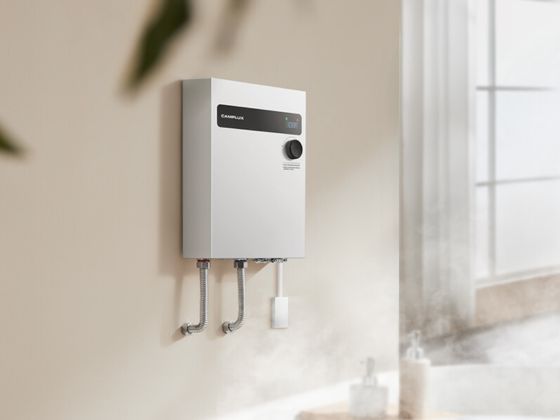
| Camplux 24kW Electric Tankless | Electric | 24 kW output | C$650–C$1,100 | Small homes with heavy electrical service |
| Competitive Compact Butane | Butane Cartridge | 2–3.5 GPM | C$80–C$220 | Backpacking, ultralight camping |
| Higher-Capacity Propane Outdoor | Propane | Up to 20 L/min | C$400–C$900 | Multiple simultaneous outlets |
What most reviews miss is how support and returns affect ownership. Check each model’s returns policy, warranty and customer support availability before you buy. For example, many consumer models include a one-year parts warranty; some brands list extended coverage for heat exchangers—confirm exact terms on the product page.
Quick heads-up: if you plan to buy a Camplux model, look at the Camplux 2.64 GPM Propane Portable Gas Water Heater for compact portability, or the Camplux 16L Outdoor Propane Tankless for higher flow. Click below to read product specs and customer feedback for the 2.64 GPM unit and compare pricing in Canada: View product details
Real Buyer Scenarios
Scenario 1: Solo camper who showers off-grid once per day. You’ll value portability and low fuel weight. A 2.6–3 GPM butane/propane unit that lights reliably in wind fits best. Expect weight under 3 kg and run times of several showers per small cartridge.
Scenario 2: Cottage hosts who want two showers plus a kitchen sink. You need at least 4 GPM combined capacity. That points toward an outdoor-rated 16 L/min propane tankless or a 24 kW electric model if you have the electrical service. Price range for this use case in Canada typically spans C$300–C$900 depending on features and weatherproofing.
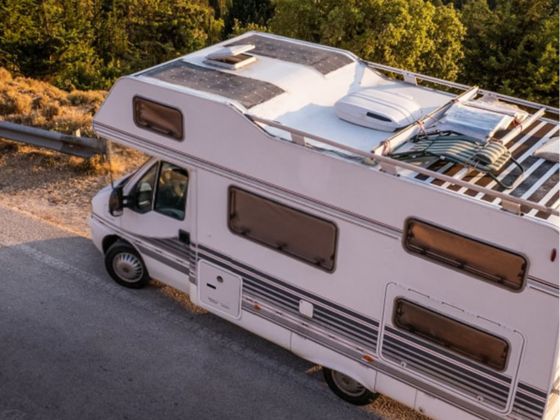
Scenario 3: RV owners with limited electrical service. A propane portable water heater with a digital display gives you reliable performance without rewiring the vehicle. If you prioritize quick setup and minimal plumbing, then compact Camplux propane models fit best.
Installation, Setup & Maintenance
Short answer: portable units reduce installation complexity but don’t remove safety steps. Always follow manufacturer instructions and local code. For gas units, that usually means proper venting, a CSA or equivalent certification on the unit, and a propane regulator sized to the heater’s input rating.
Maintenance is simple but important. Flush mineral buildup annually if you use hard water. Check seals and hoses before each season. One specific test to run after setup: measure outlet temperature at the expected flow with a thermometer to confirm the unit meets the advertised temperature rise.
Buyers often worry about returns and support. Confirm the seller’s returns policy, whether parts and labor are covered, and how you contact technical support. If you prioritize minimal maintenance and fast service, then models with widespread dealer support and clearly posted warranty terms fit best.
High-Value Questions
How much hot water flow do I need for a shower?
Direct answer: aim for 1.8–2.5 GPM for a low-flow showerhead and 2.5–4.5 GPM for a standard shower. A typical low-flow showerhead uses about 1.8 GPM; an older or high-pressure showerhead can use 2.5–4 GPM. Cold inlet water temperature affects the necessary temperature rise: if your source water is 5°C, you'll need a larger temperature rise than if it’s 15°C. If you prioritize single-outlet comfort, then a 2.6–3 GPM portable unit fits best; for two fixtures, choose 4+ GPM rated models.
Are portable propane heaters safe to use indoors?
Direct answer: most portable propane water heaters are designed for outdoor use and should not be used indoors unless the unit is specifically certified for indoor installation. Combustion produces CO; venting is needed. Check for CSA Group certification and clear indoor-use marking on the product page. If you need indoor installation, then choose a model explicitly listed for indoor use and follow local codes.
What about energy efficiency and running cost?
Direct answer: running cost depends on fuel price and unit efficiency. Propane and butane units have different per-hour costs than electric units; the per-minute fuel burn rate is listed on spec sheets. Industry-specific standards apply for efficiency metrics—verify current NRCan guidance and manufacturer UEF or stated efficiency on the product page. If you prioritize lowest operating cost in an off-grid scenario, propane units that match your usage pattern fit best.
Frequently Asked Questions
Can I use a portable unit for my cottage year-round?
Yes if the model is rated for outdoor cold-weather operation and supports the required flow and temperature rise. Also confirm the warranty covers seasonal use and check the manufacturer’s guidance on freeze protection. For permanent or year-round installations, inspect local code and consider a higher-capacity weatherproof model with a documented parts warranty.
How do I match flow rate to multiple fixtures?
Calculate combined GPM for the fixtures you expect to run simultaneously. Then choose a unit with at least a 10–20% margin above that combined flow to maintain temperature under load. If your combined use exceeds the unit’s max, staged use or a larger tankless model is needed.
What should I expect from returns and customer support?
Expect online retailers to offer a 14–30 day return window for unused items, and manufacturers to provide warranty support according to their published terms. Verify whether return shipping is covered and whether the warranty is handled by the seller or manufacturer. If rapid returns and local parts service matter, then buy from a dealer with Canadian support channels.
Will hard water shorten a portable heater’s life?
Yes, mineral buildup reduces heat transfer and can block passages. Flush the system annually or as recommended, and use an inline sediment filter if you have high TDS. If you prioritize longevity in hard-water areas, then models with accessible heat exchangers and clear maintenance instructions fit best.
Which certifications should I look for in Canada?
Look for CSA Group markings for gas appliances and ULC/CSA marks for electrical and fire/equipment safety where applicable. NRCan MEPS may apply to residential water heaters—confirm current requirements on government sites before purchase. If you need code-compliant installations, then choose products that list the relevant Canadian certification on the product page.
Can I expect spare parts to be available?
Spare parts availability depends on brand distribution in Canada. Check the seller’s parts policy and ask about lead times for common wear items like igniters and valves. If you value fast repairs, then prefer models sold through established Canadian dealers or with documented spare-part listings.
Need to compare a compact propane unit to something larger? Review the Camplux RV and outdoor options on the site, including the compact 2.64 GPM model, which suits single-shower RV setups, and the 16L outdoor tankless for heavier use. Click below to read specs, shipping details, returns policy, and current pricing. View product details
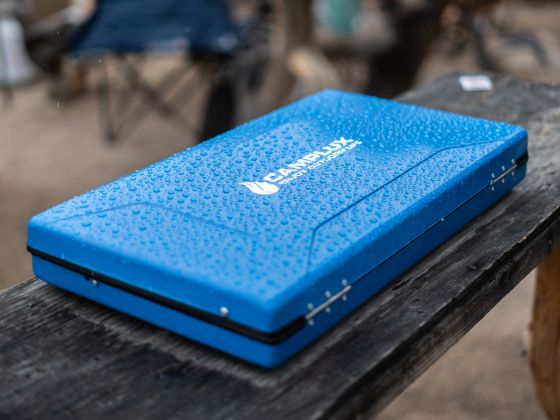
Internal resources and related product pages you may find helpful: Camplux Rv Range Hood 13 Inches, Camplux 18 Gallon Electric Water Heater, Camplux Whole House Electric Tankless Water Heater 24kw White, and the Camplux Foldgo Portable Butane Camping Stove 7500 Btu. These links help you compare fuel types and installation styles across the Junsky product family.
External references for regulations and standards: Natural Resources Canada (NRCan) MEPS and efficiency guidance (NRCan) and CSA Group listings for appliance certification (CSA Group).
The bottom line: pick fuel, flow, and safety certification first, then compare price, warranty and dealer support. For on-the-road portability choose a compact 2.6–3 GPM unit. For seasonal cottages or simultaneous outlet use choose a 4+ GPM / 16 L/min propane or a properly wired electric model. If you prioritize quick setup and lightweight gear, then compact Camplux portable heaters fit best.