
Electric Tankless Water Heaters
Electric Tankless Water Heaters — On-Demand Hot Water Without a Gas Line
Electric tankless water heaters are the practical choice for Canadian homes without gas access — condos, basement suites, apartments, and newer builds where no gas line runs to the water heater location. No venting, no gas permit, no combustion. The unit connects to your electrical panel and heats water on demand as it flows through.
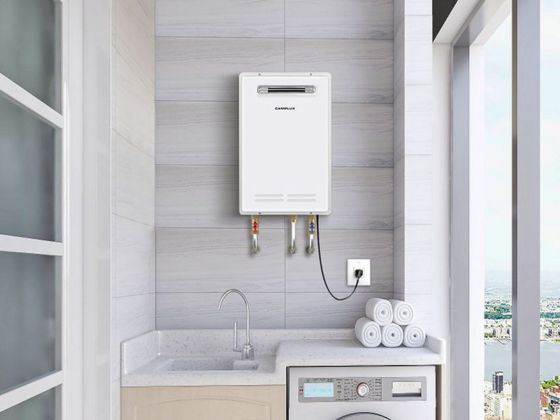
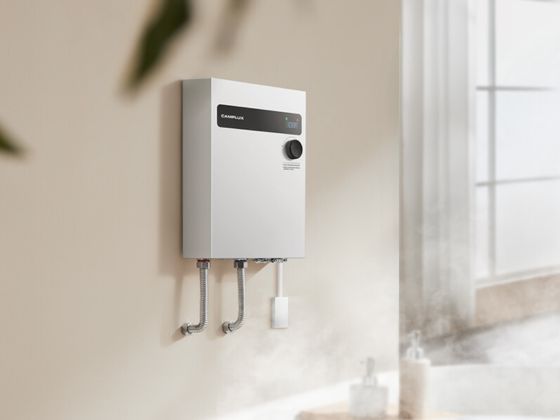
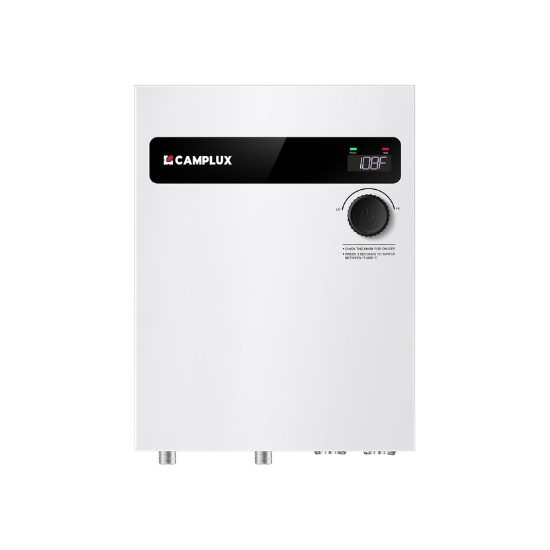
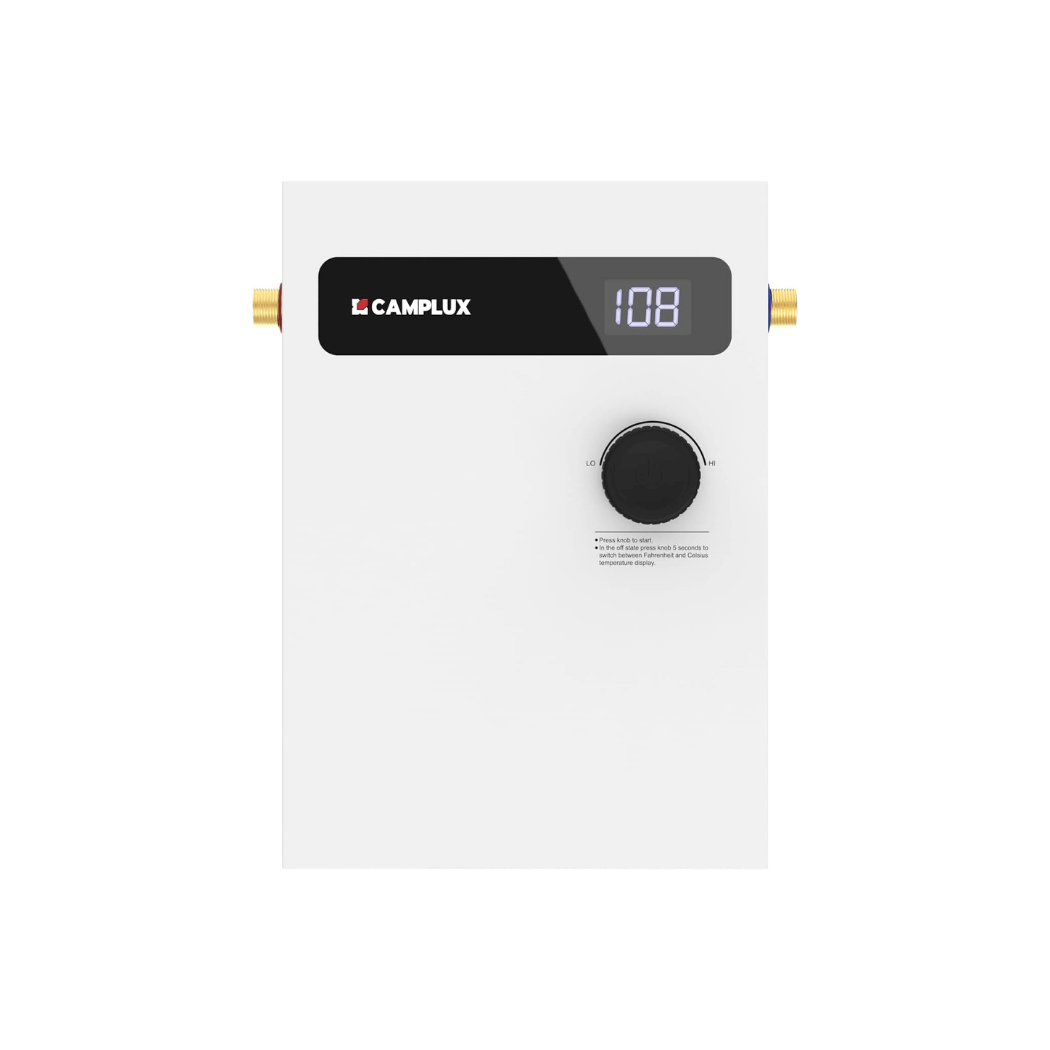
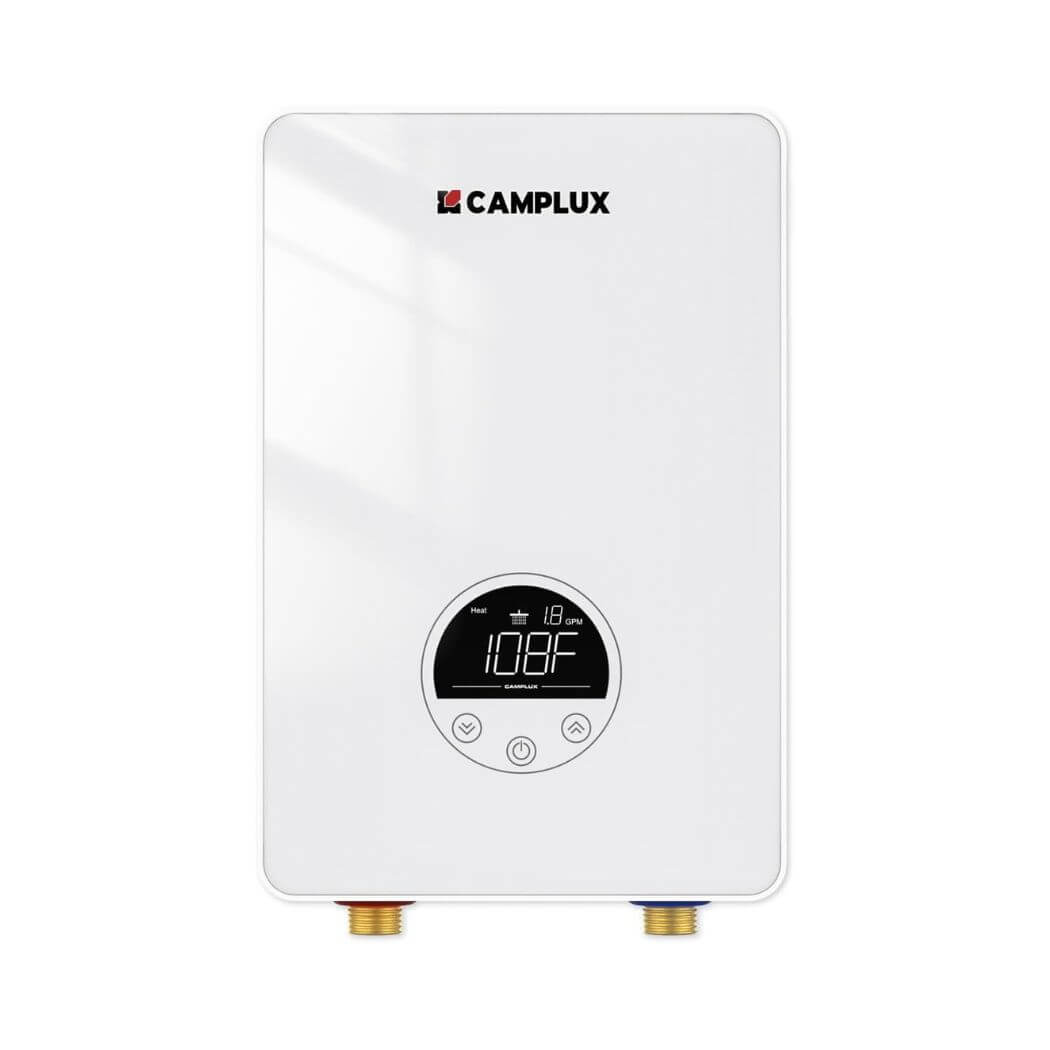
This collection covers three Camplux electric tankless models suited to different applications: a 110–120V point-of-use unit for under-sink or workshop use, an 8kW 240V unit for a single bathroom or small suite, and an 18kW 240V unit for whole-home coverage in moderate climates. All are ETL-listed and meet Canadian electrical safety standards.
If you have gas access and are comparing options, see Gas Tankless Water Heaters for propane and natural gas alternatives. For a small under-sink tank that requires no electrical upgrade, see Electric Mini Tank Water Heaters.
Choosing the Right Electric Tankless Unit for Your Situation
The most important factor when selecting an electric tankless water heater is matching the unit's kW output to your electrical panel capacity and your hot water demand. Unlike gas units where the main variable is GPM, electric tankless performance depends directly on available amperage and inlet water temperature.
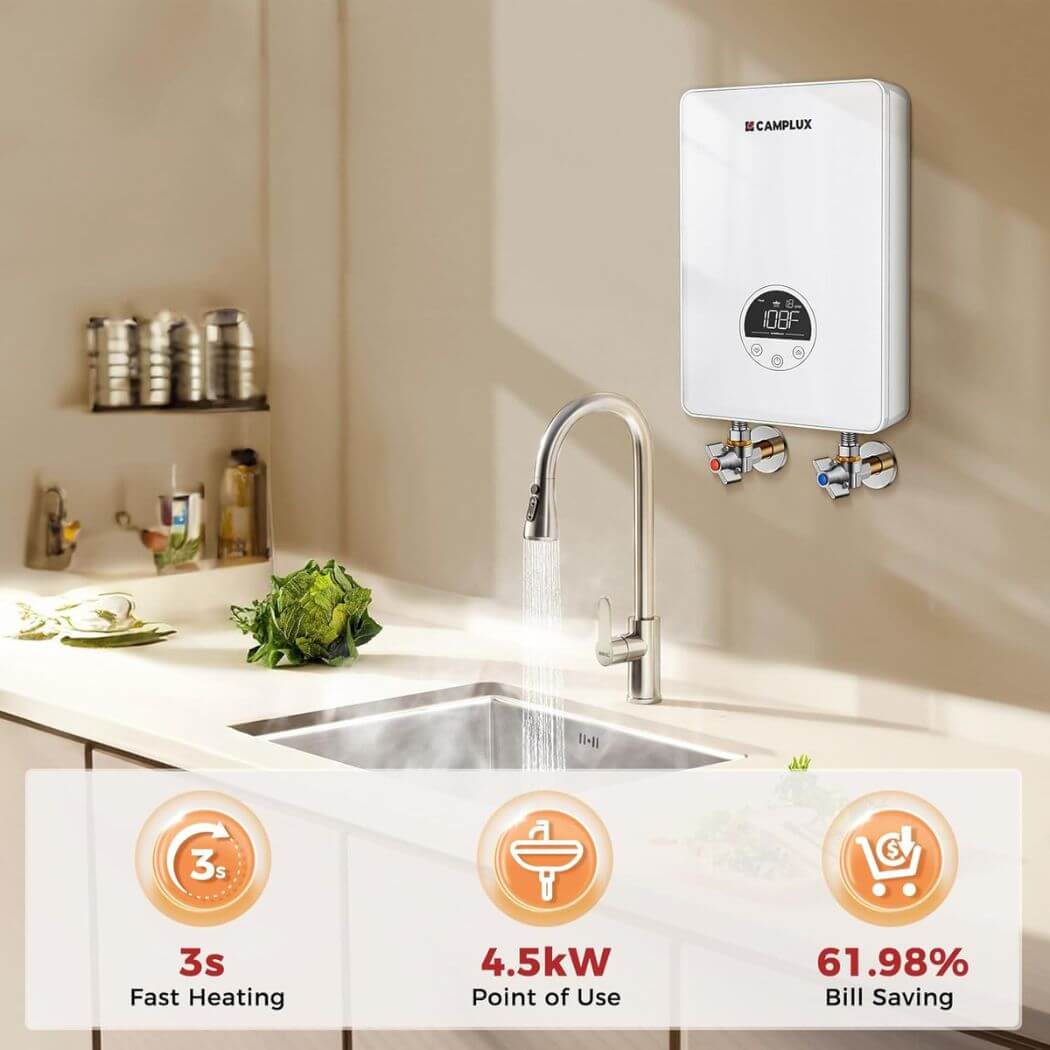
- 110–120V Small Instant Unit — Camplux 110–120V ($199.99). Plugs into a standard 120V outlet. Point-of-use application: under a bathroom sink, in a workshop, or as a booster for a remote tap. Not suited for shower use — output is limited to hand-washing and low-flow applications. No electrical upgrade required.
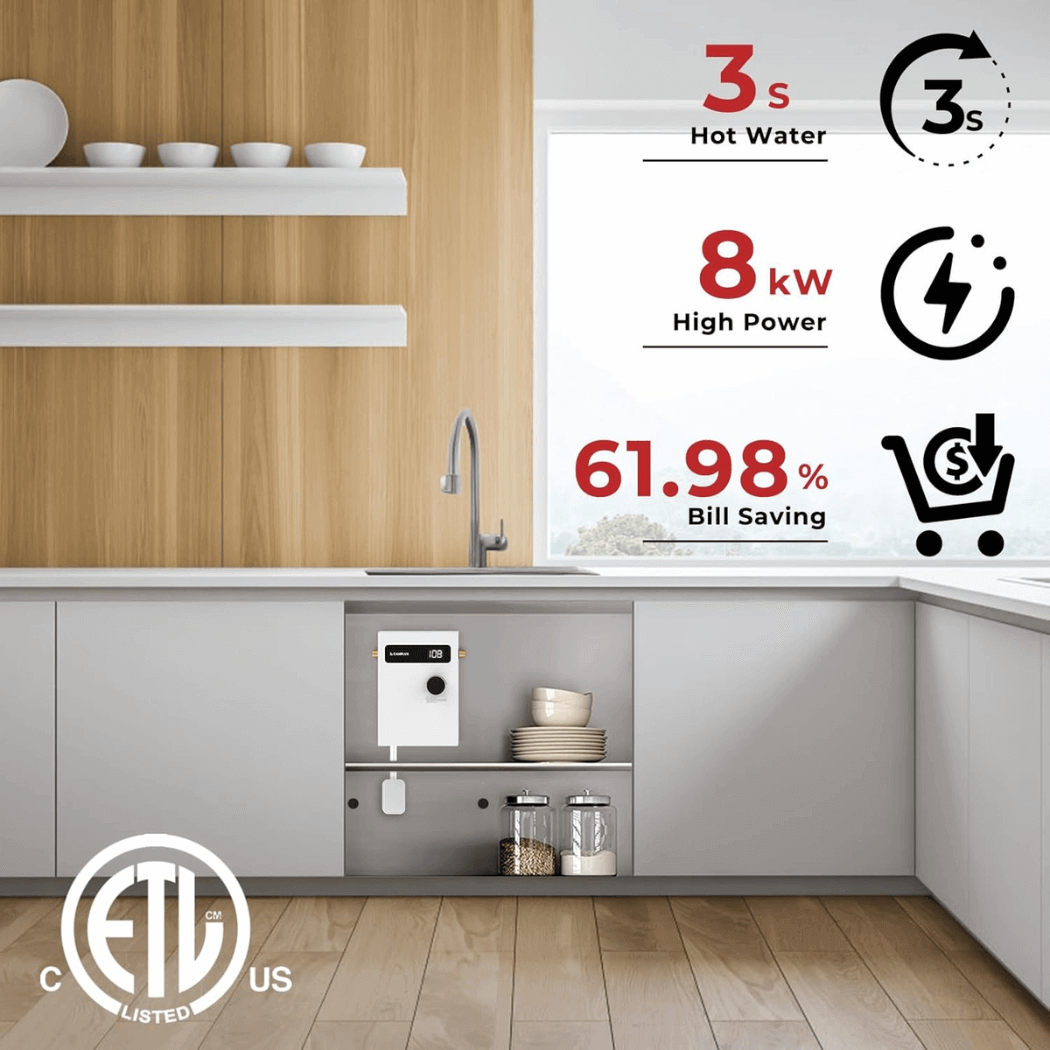
- 8kW 240V Unit — Camplux 8kW ($309.99). Requires a dedicated 240V/40A circuit. Suited to a single bathroom in a mild climate — a basement suite or secondary bathroom where inlet water temperatures are moderate. In colder Canadian provinces where winter inlet temperatures drop significantly, output at full temperature rise is limited at this power level.
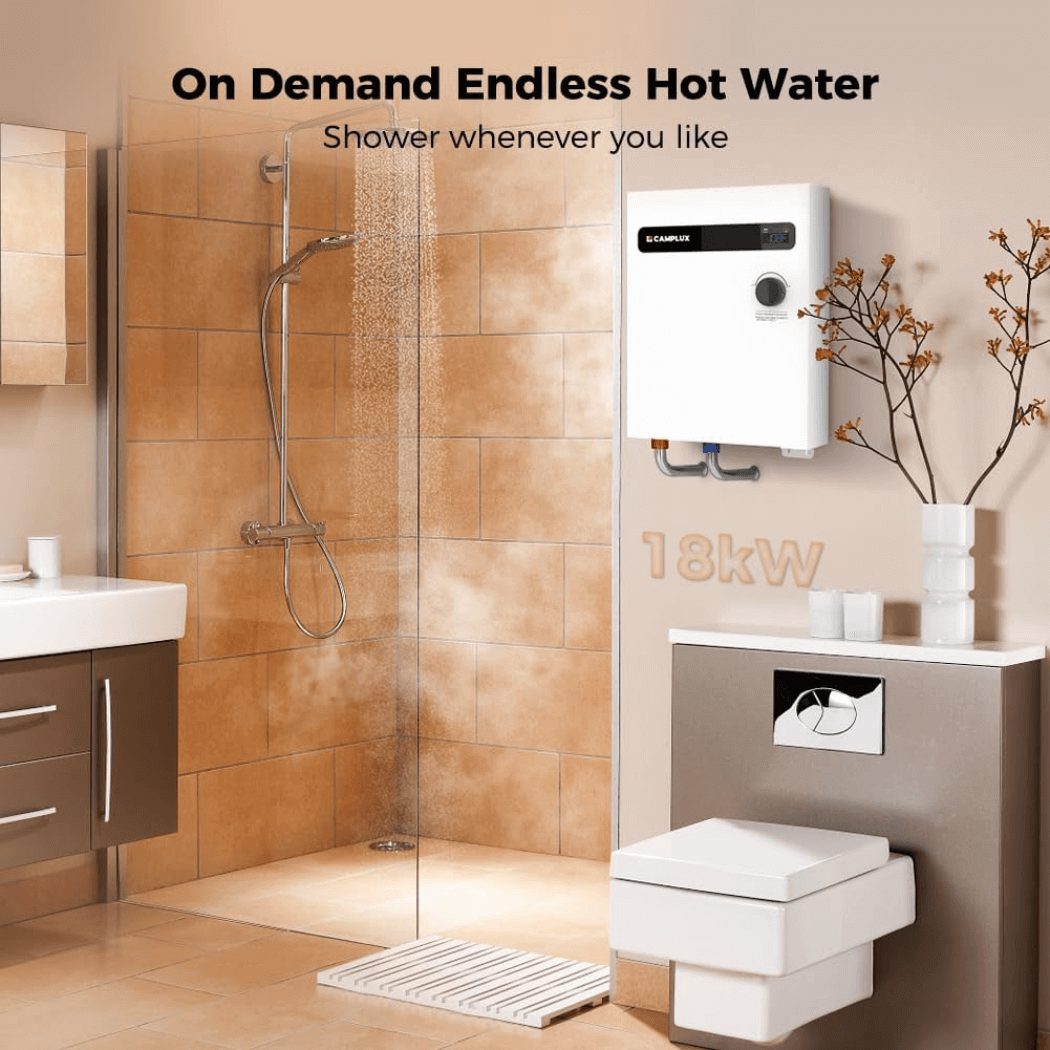
- 18kW 240V Unit — Camplux 18kW ($299.99). Requires a dedicated 240V/75–80A circuit. Whole-home coverage for a single bathroom in moderate climates, or a primary hot water source for a small home or suite. In BC or southern Ontario where winter inlet temperatures stay above 8–10°C, this unit handles a shower comfortably. In colder provinces, plan for reduced output during winter months.
Electrical Requirements — What You Need to Know Before Ordering
Electric tankless water heaters draw significantly more amperage than most household appliances. Before ordering, confirm your electrical panel has the capacity to support a dedicated circuit for the unit you're considering.
- The 110–120V unit plugs into a standard 15A outlet — no electrical work required
- The 8kW unit requires a dedicated 240V/40A double-pole breaker and appropriate wiring
- The 18kW unit requires a dedicated 240V/75–80A double-pole breaker and appropriate wiring
If your panel is near capacity or you're unsure about your available amperage, consult a licensed electrician before purchasing. In Canada, electrical work on dedicated circuits requires a permit and must be performed by a licensed electrician in most provinces. The unit installation itself is straightforward once the circuit is in place, but the electrical rough-in is the critical step.
Electric Tankless Performance in Canadian Climates
Electric tankless water heaters are rated under standard test conditions that assume a moderate inlet water temperature — typically around 15°C. In Canadian winter conditions, inlet water temperatures in colder provinces can drop to 2–5°C, which significantly reduces the temperature rise a unit can achieve at a given flow rate.
The practical implication: an 18kW unit that delivers a comfortable shower in Vancouver in January may struggle to reach the same output temperature in Winnipeg at the same flow rate. In colder provinces, reduce the flow rate (turn the tap down slightly) to allow the unit more time to heat the water, or consider a higher-kW unit if your panel supports it.
For whole-home coverage in cold Canadian climates, gas tankless units — which can deliver higher BTU output without the electrical panel constraints — are often the more practical choice. See Gas Tankless Water Heaters for comparison.
Where Electric Tankless Makes the Most Sense in Canada
Condos and apartments: No gas line, no venting option, limited panel capacity. The 8kW or 18kW unit (depending on panel availability) is a clean replacement for an aging electric storage tank, with no tank to maintain and no standby heat loss.
Basement suites and secondary units: A dedicated electric tankless unit for a basement suite avoids sharing hot water with the main unit upstairs. The 8kW unit handles a single bathroom suite in moderate climates; the 18kW is the better choice for year-round reliability.
Point-of-use applications: The 110–120V unit is ideal for a remote bathroom sink, a workshop hand-washing station, or any location where running hot water lines from the main heater is impractical. No electrical upgrade, no plumbing run — just plug in and connect to the cold water supply.
Cottages and seasonal properties with electrical service: For a cottage on the grid without propane, an 18kW unit provides whole-home hot water without the complexity of a gas installation. In summer when inlet temperatures are moderate, performance is strong.
Frequently Asked Questions
Do I need a permit to install an electric tankless water heater in Canada?
The electrical work — installing a dedicated circuit and breaker — requires an electrical permit and a licensed electrician in most Canadian provinces. The water heater connection itself may or may not require a plumbing permit depending on your municipality. Check with your local authority having jurisdiction (AHJ) before proceeding.
Can I replace my electric storage tank with an electric tankless unit?
Yes, but confirm your panel has capacity for the dedicated circuit the tankless unit requires. An existing electric tank typically runs on a 240V/30A circuit; an 18kW tankless unit needs 75–80A. A panel upgrade may be required. Consult a licensed electrician before purchasing.
Why is the 18kW unit less expensive than the 8kW unit?
Pricing reflects the specific model configuration, features, and production costs — not a direct relationship between kW and price. Both units are ETL-listed and meet Canadian electrical safety standards. Choose based on your electrical capacity and hot water demand, not price alone.
Is electric tankless more expensive to run than gas tankless?
In most Canadian provinces, yes — electricity costs more per BTU than natural gas. However, if you don't have gas access, the comparison is between electric tankless and electric storage tank, where tankless wins on efficiency due to eliminated standby heat loss. For homes with gas access, see Gas Tankless Water Heaters for a lower operating cost alternative.