
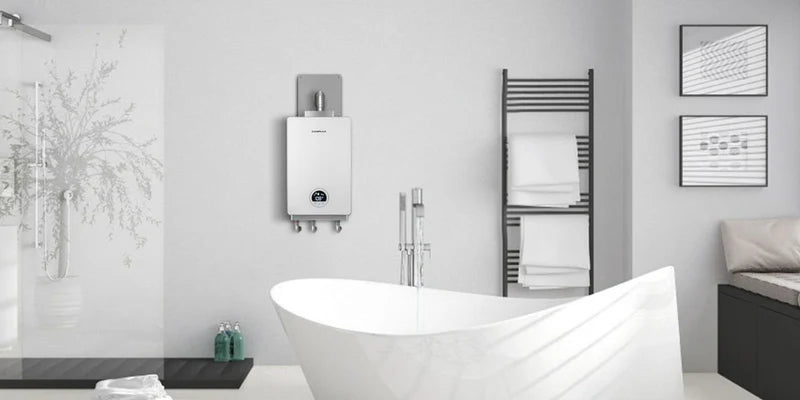
COMFORT EVERY SEASON
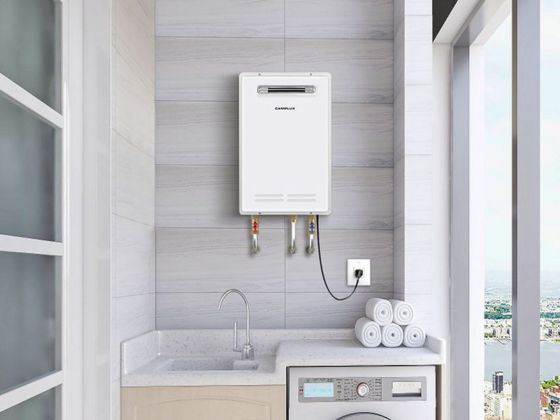
Gas Tankless Water Heater
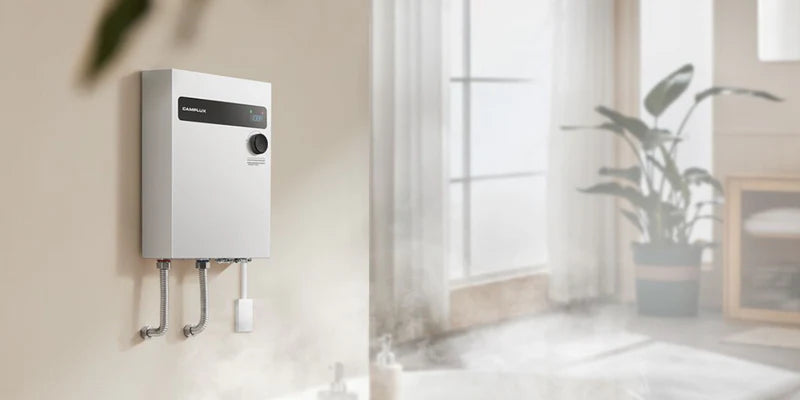
HIGH-EFFICIENCY PERFORMANCE
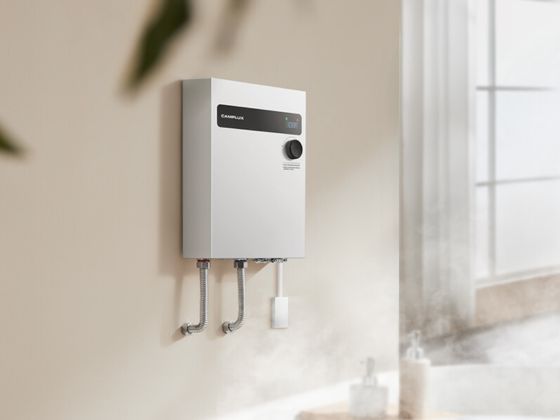
ELECTRIC TANKLESS WATER HEATER
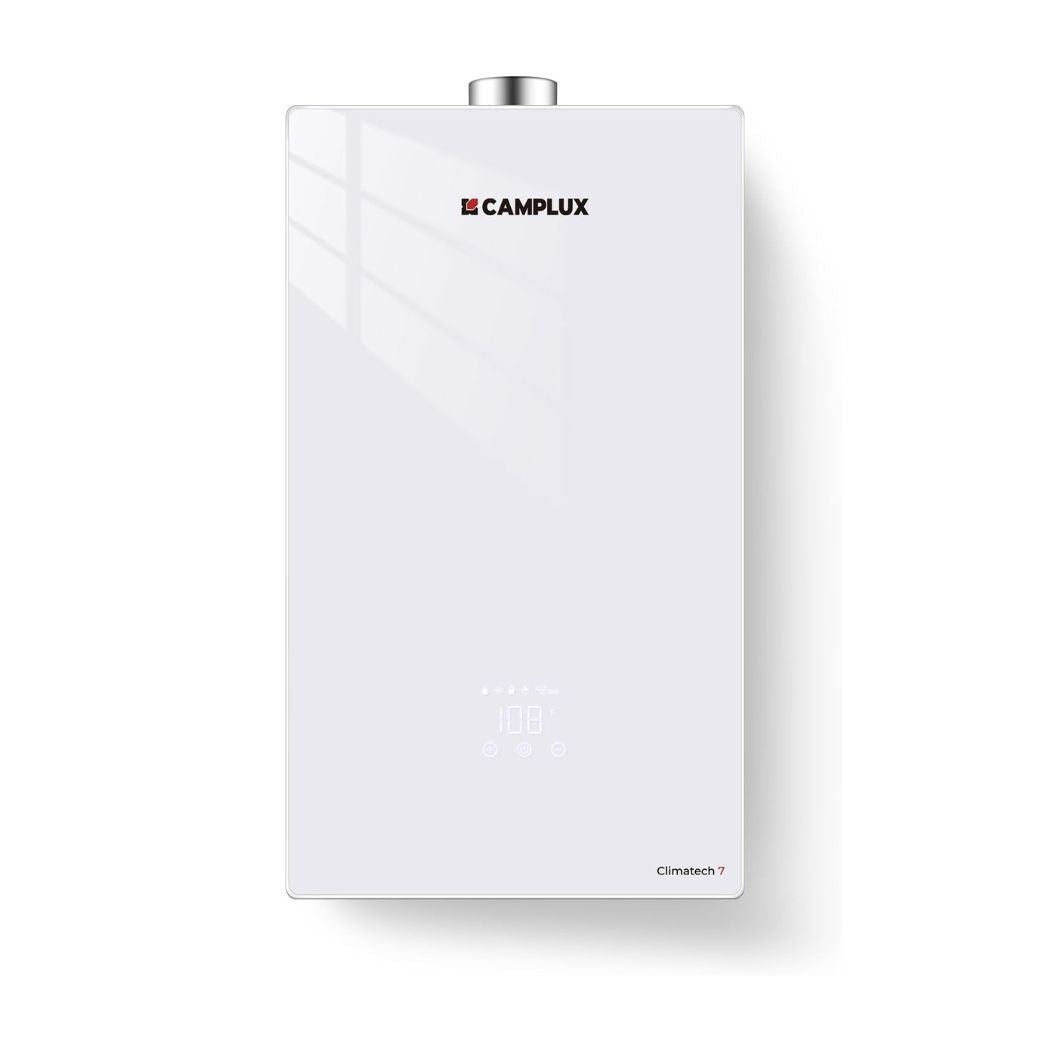
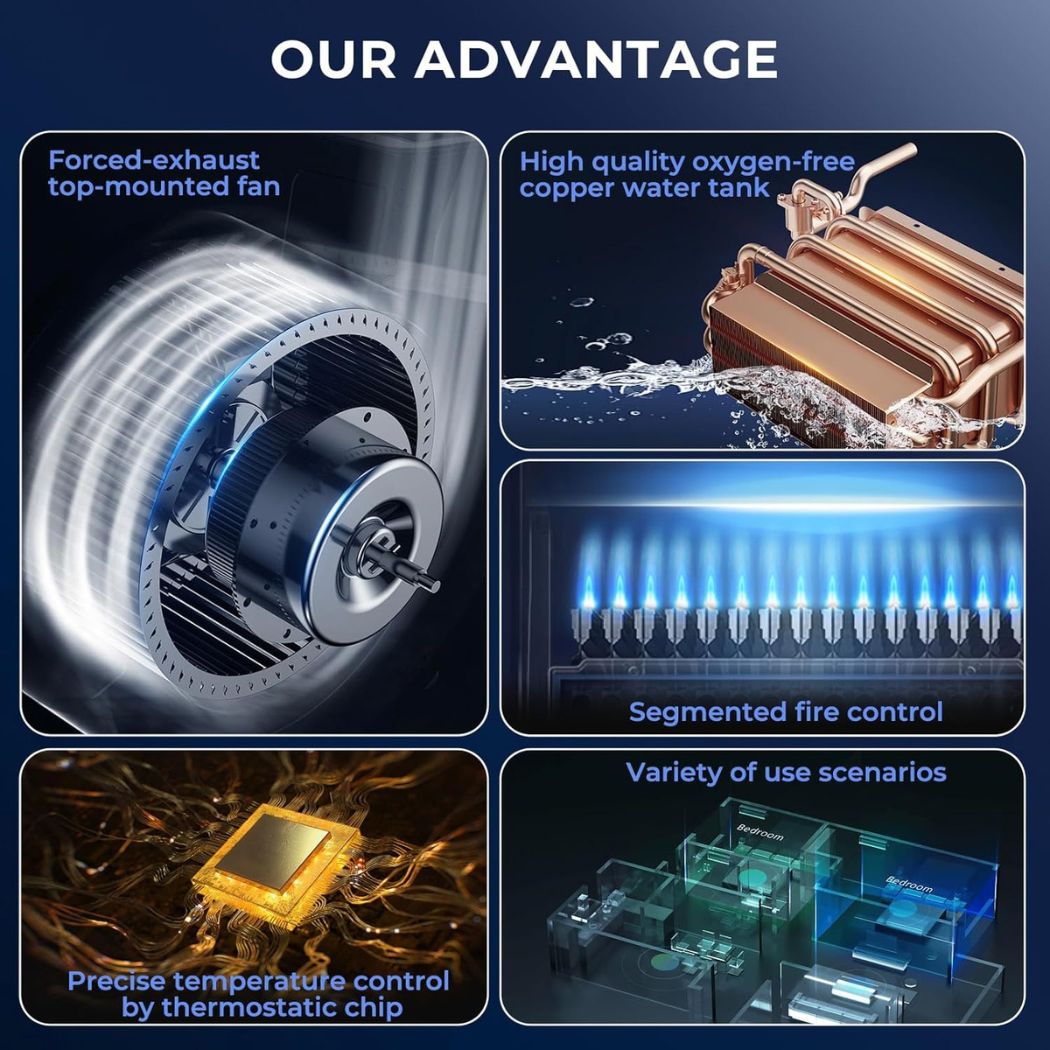
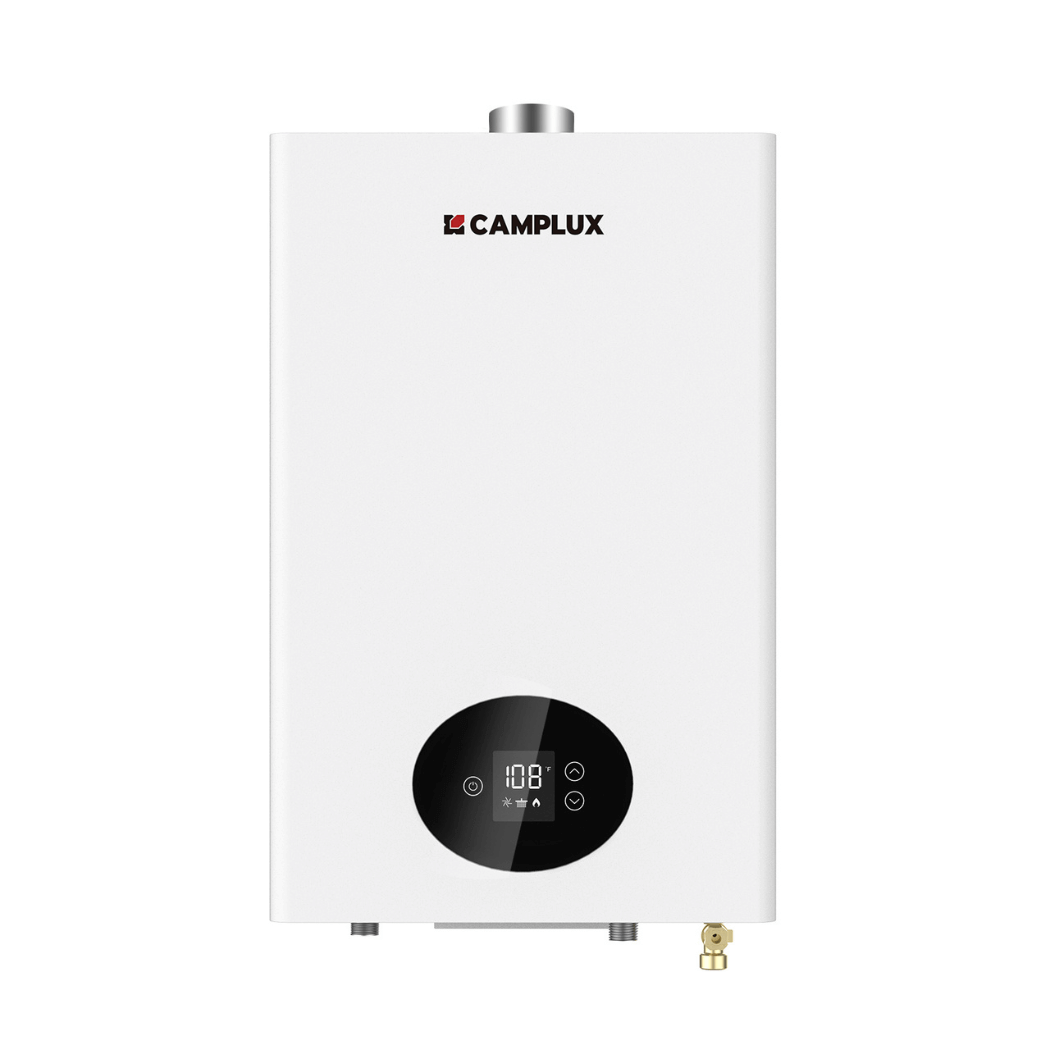
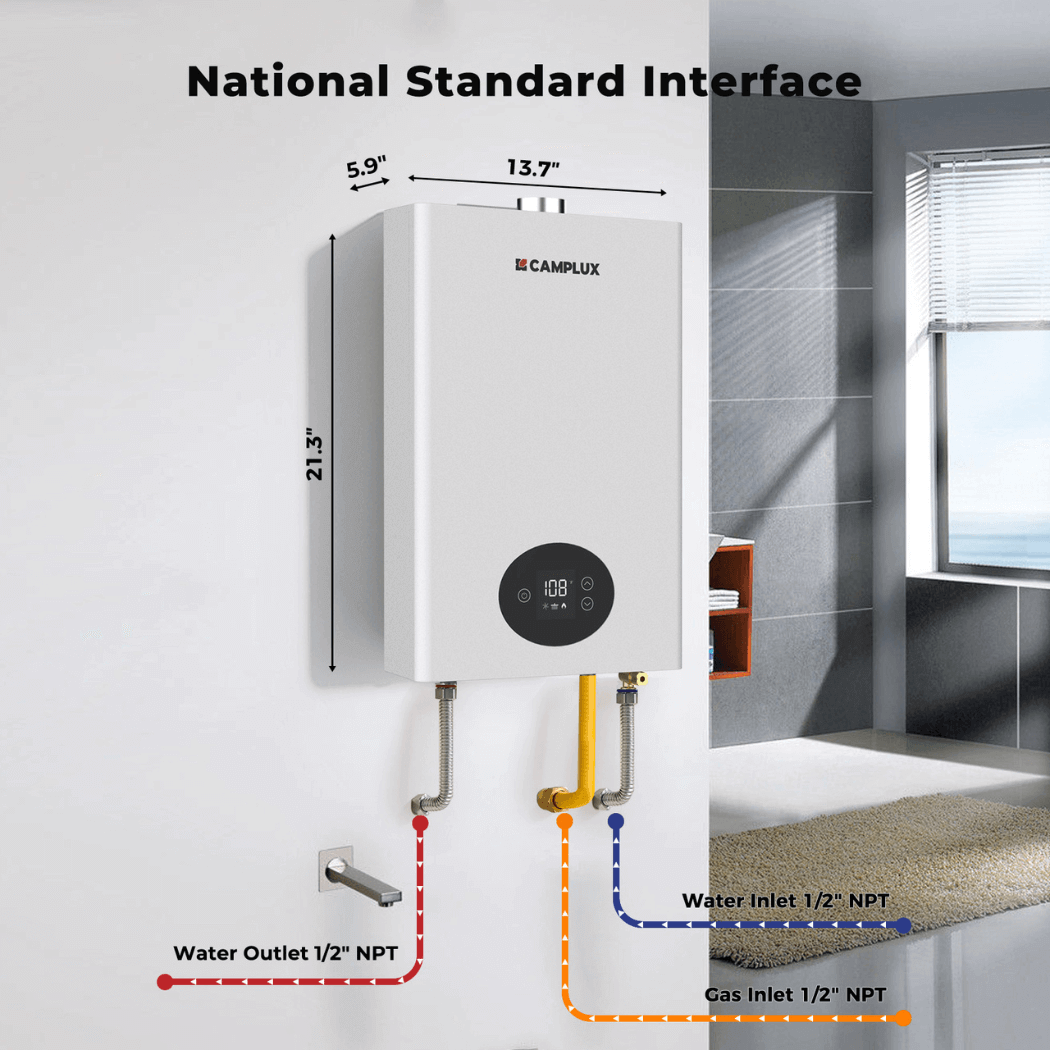
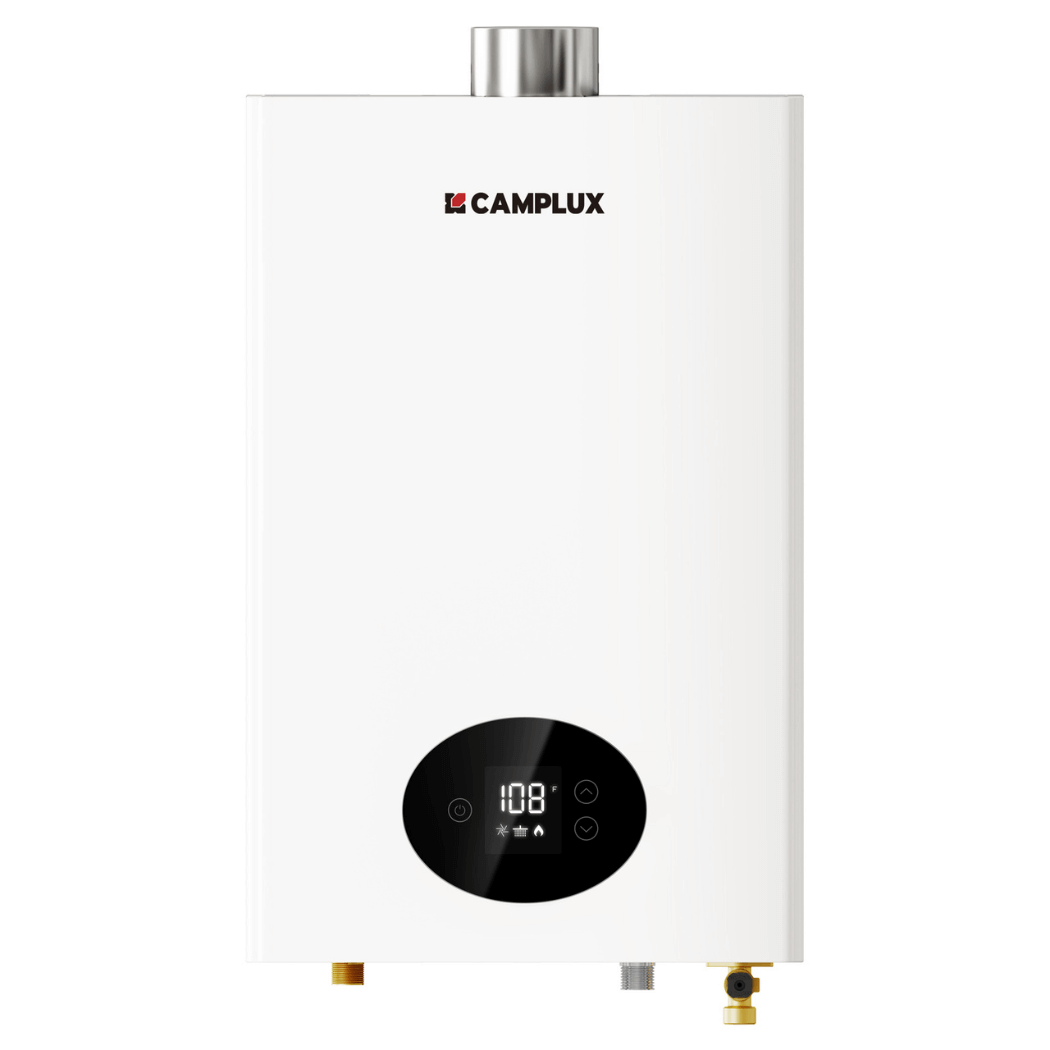
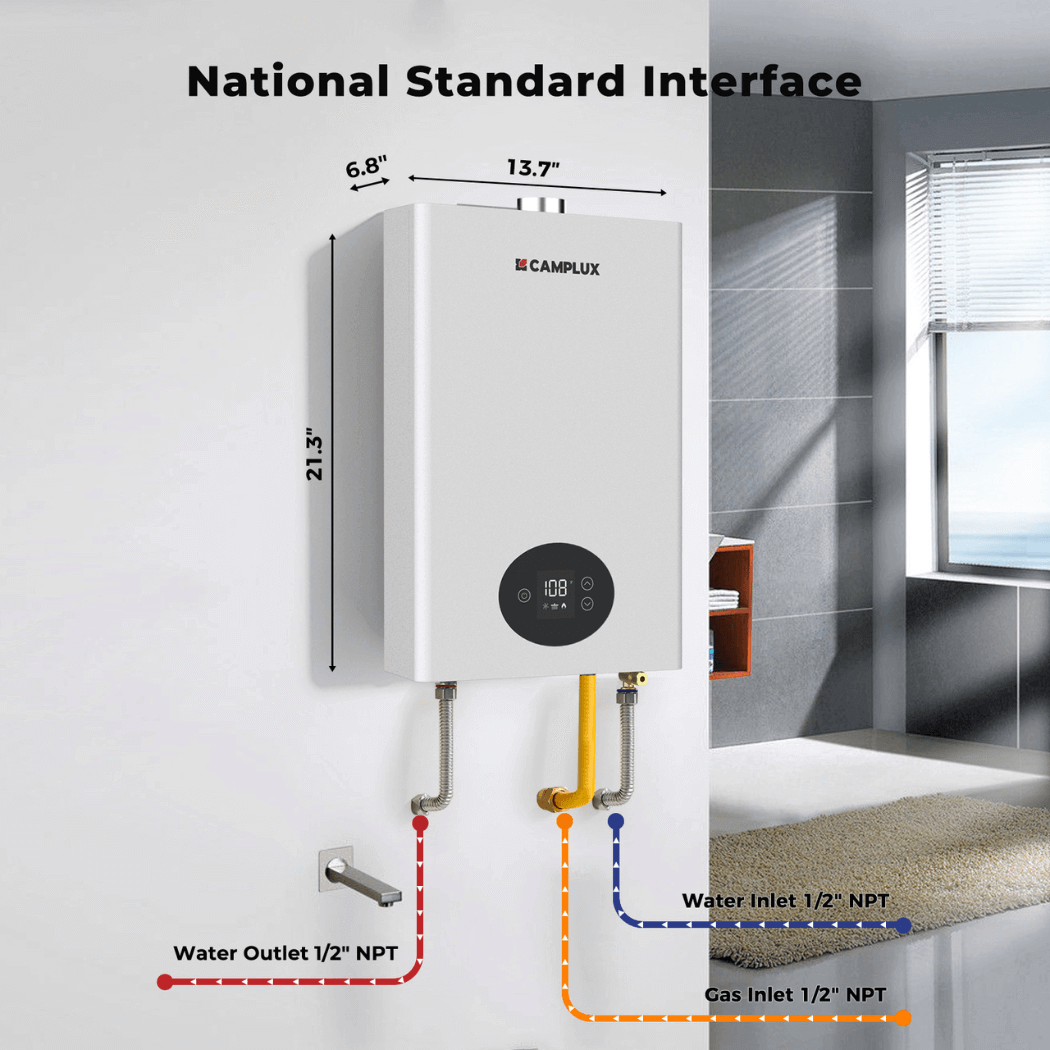
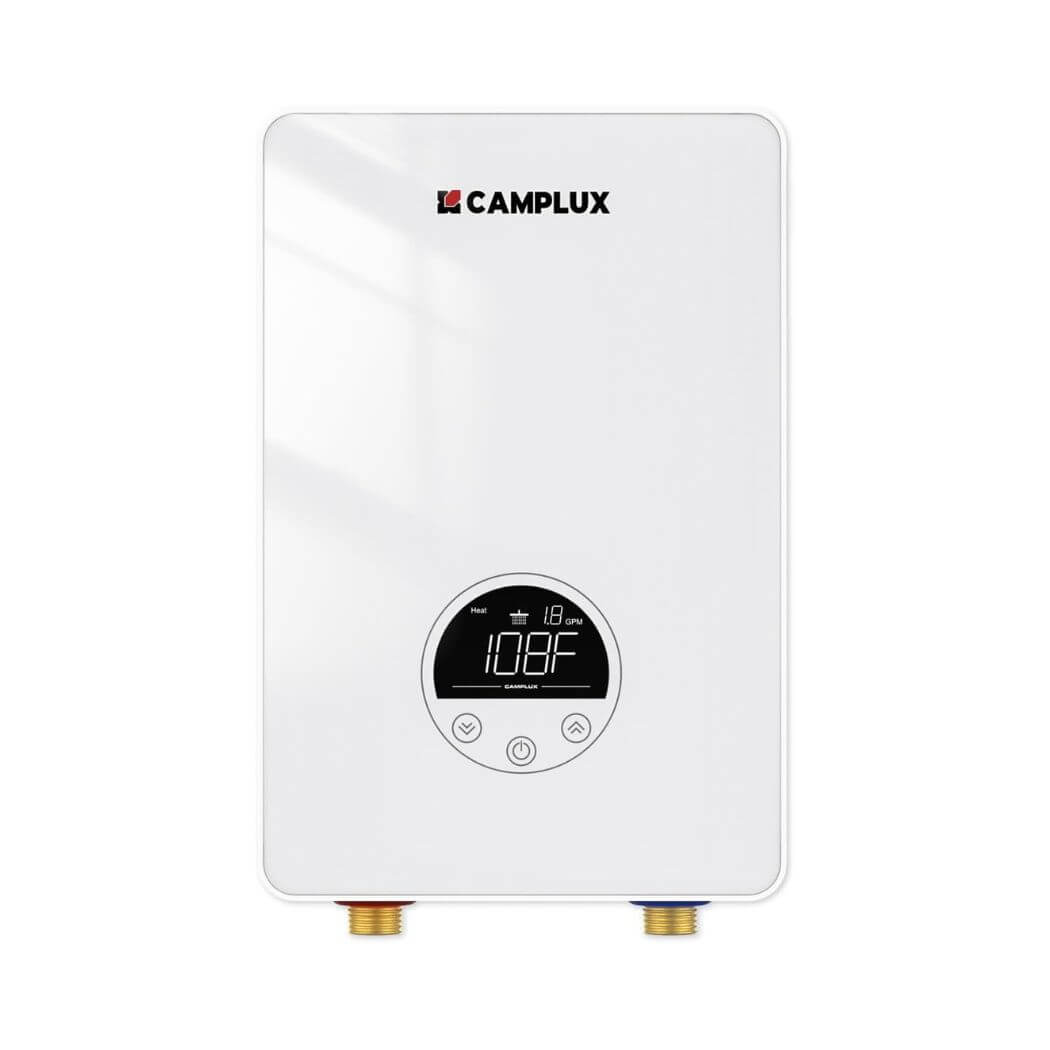
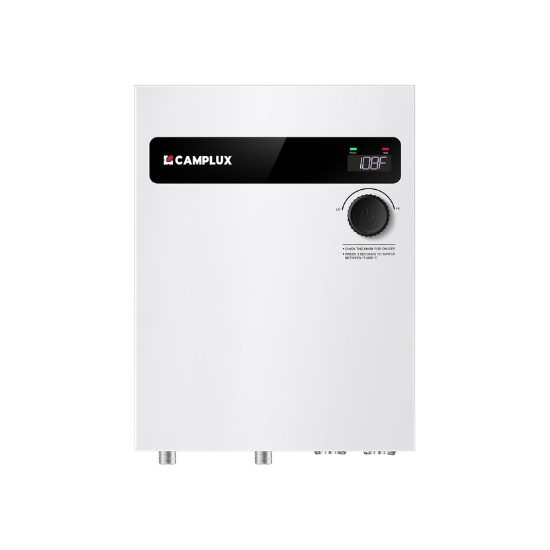
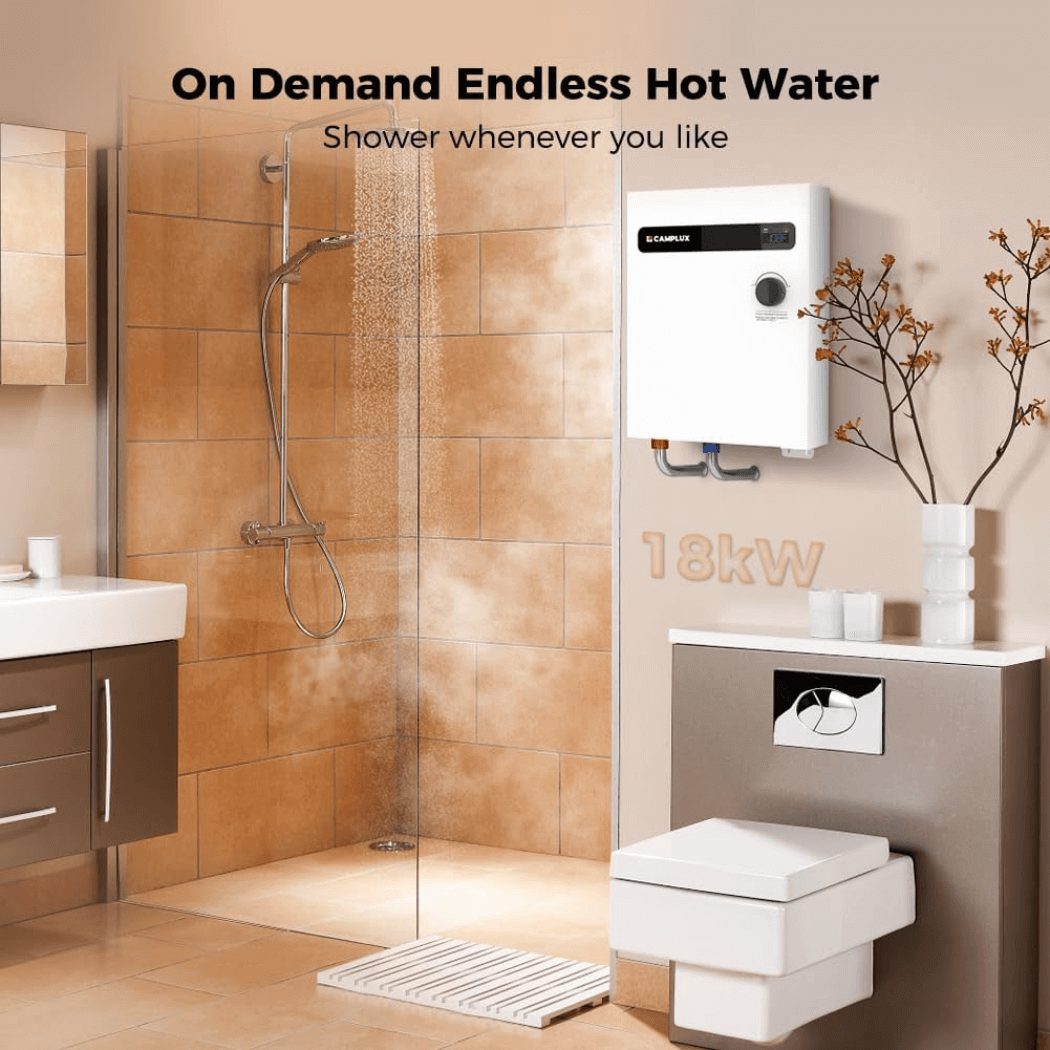
Tankless Water Heater
Tankless Water Heaters — Find the Right Type for Your Home or Setup
A tankless water heater heats water on demand — no storage tank, no standby heat loss, no running out mid-shower. The right type depends on two things: where the unit is going, and what fuel source you have available.
If your home is connected to the natural gas grid, a gas tankless water heater is typically the most cost-effective long-term option — lower operating cost per BTU, higher flow rates, and well-suited to Canadian winters where cold inlet water temperatures reduce output on undersized units. If you're outside the gas grid — a rural property, cottage, or off-grid cabin — a propane tankless water heater runs on the same fuel as your furnace or stove, with no grid connection required.
For homes without gas access at all — condos, basement suites, or newer builds — an electric tankless water heater installs without venting or gas permits. The tradeoff is electrical load: whole-home electric units require a dedicated 240V circuit and sufficient panel capacity.
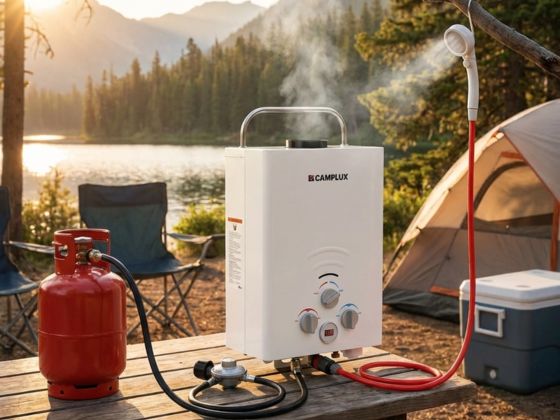
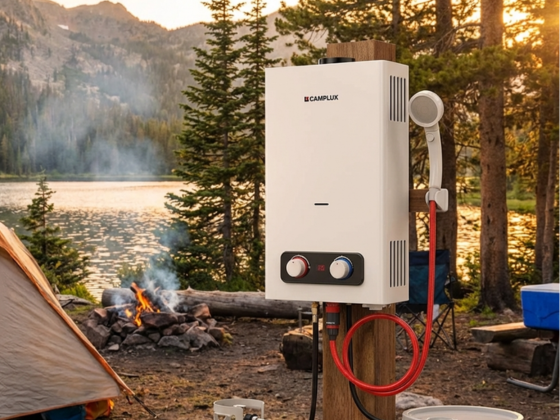
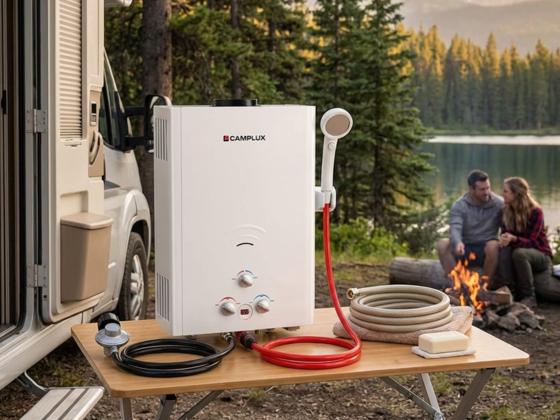
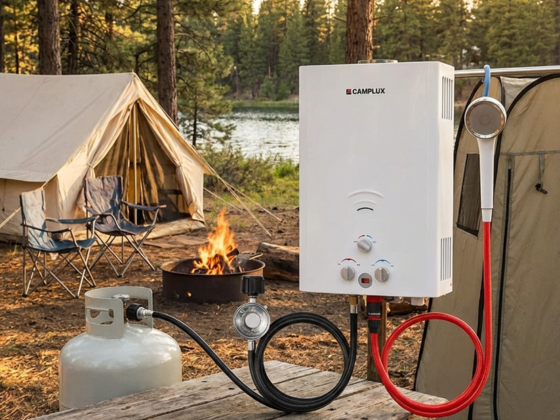
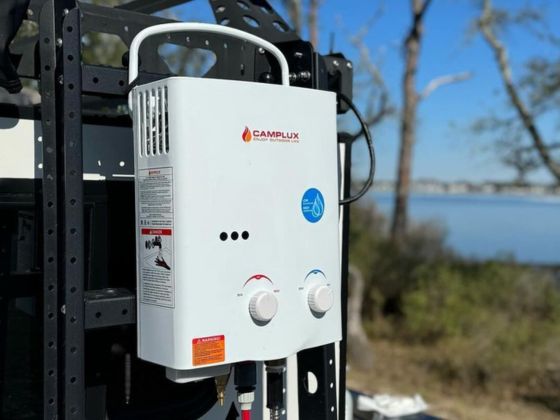
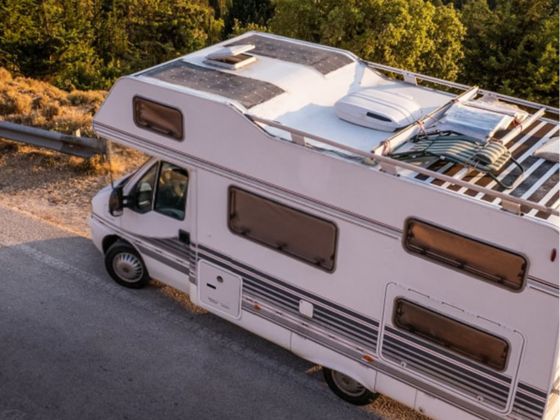
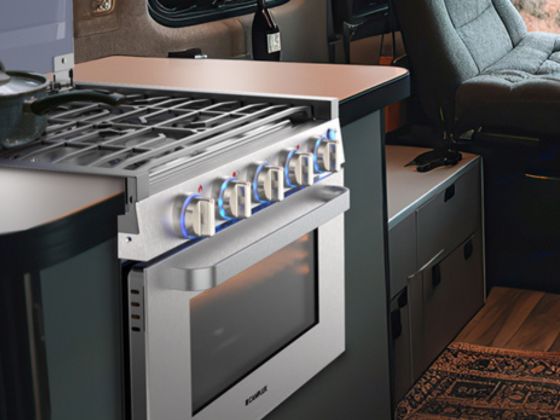
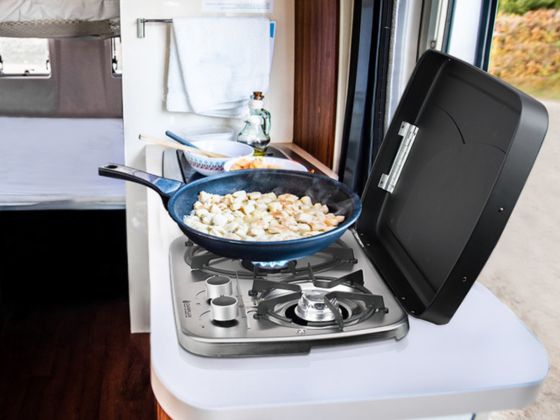
For RV owners and off-grid camping, the requirements are different again — portable, propane-compatible, and built to handle variable inlet pressure. The portable water heater lineup covers 6L to 20L output for those setups.
Browse by type:
- Gas Tankless Water Heaters — 2.64 to 6.86 GPM, propane & natural gas, indoor & outdoor
- Propane Tankless Water Heaters — for off-grid, rural homes and cottages not on the gas grid
- Natural Gas Tankless Water Heaters — high-efficiency whole-home units for city homes on the gas grid
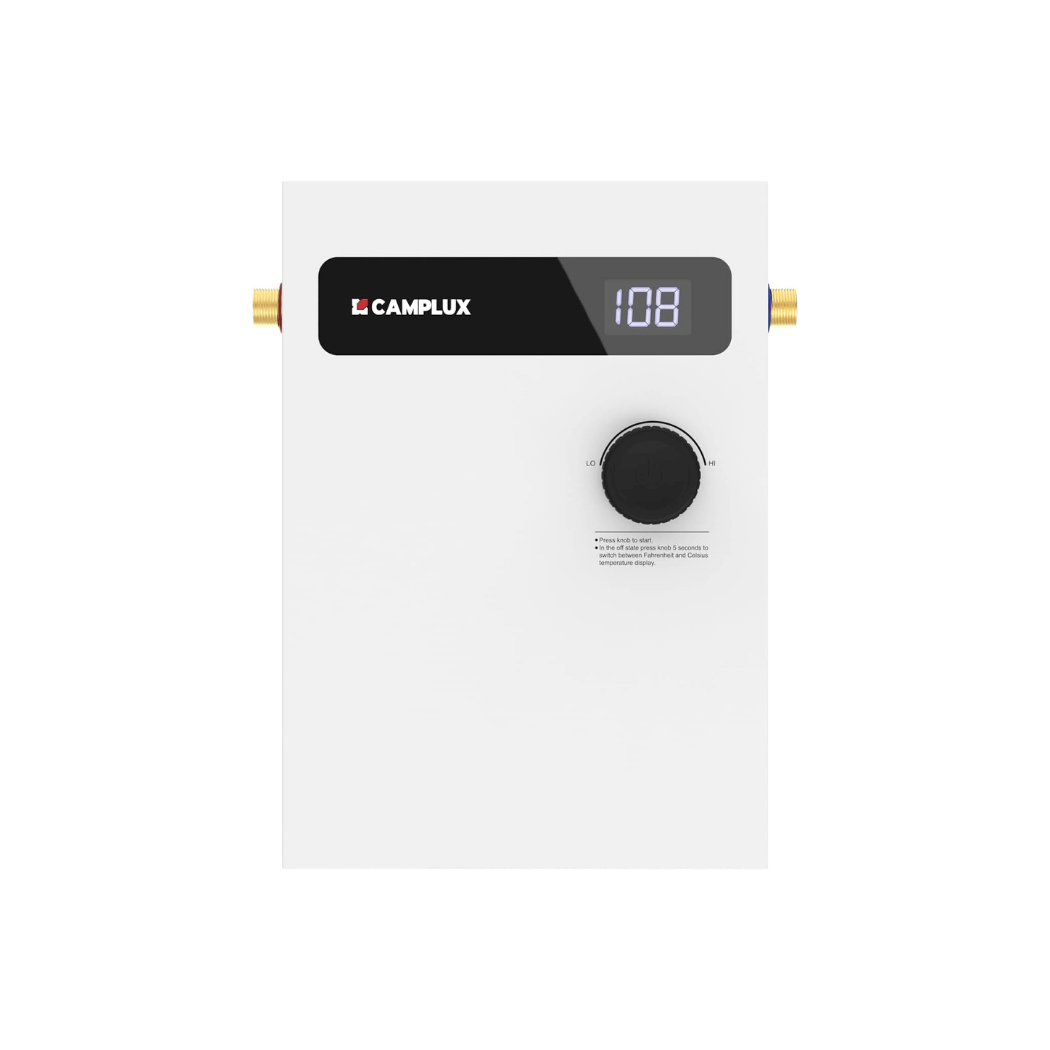
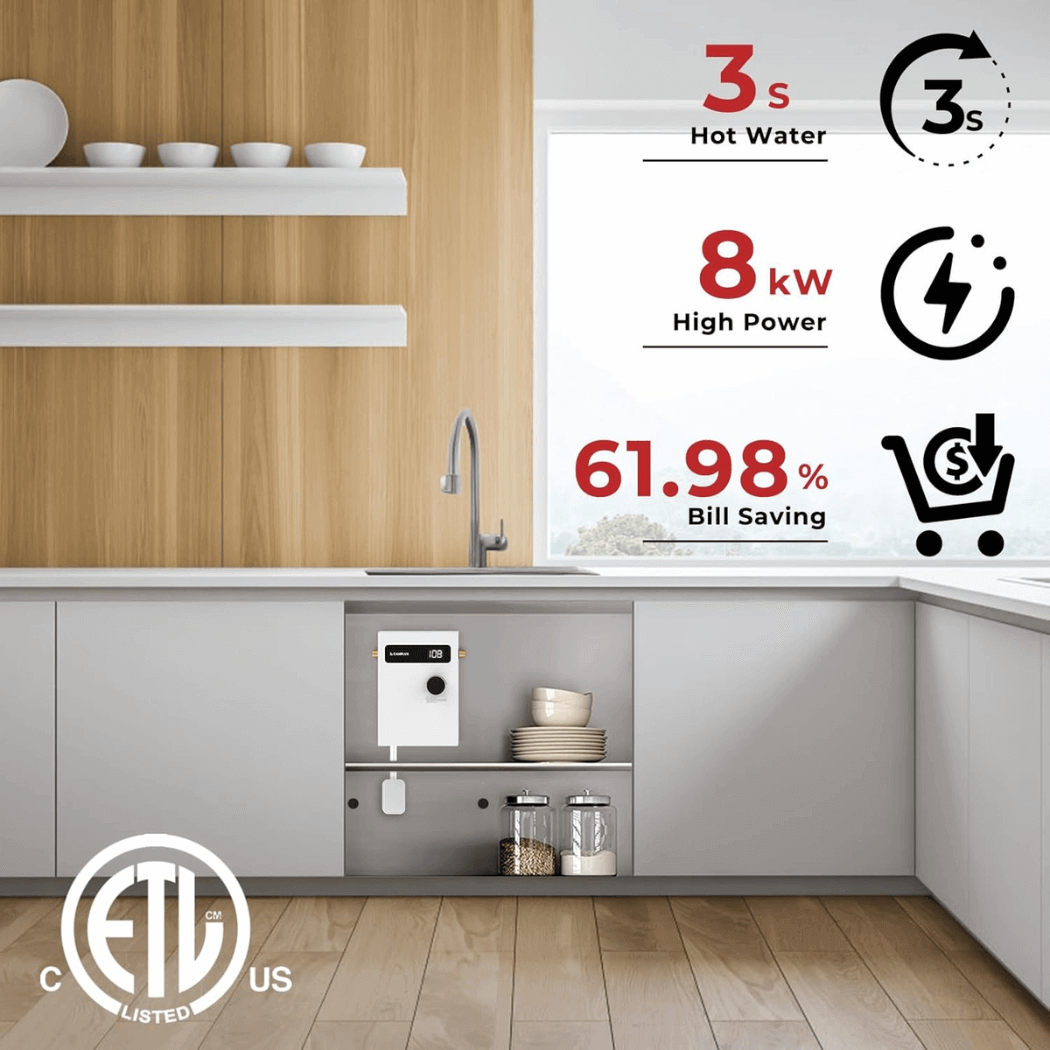
- Electric Tankless Water Heaters — 8kW to 27kW, no gas line or venting required, ETL-listed
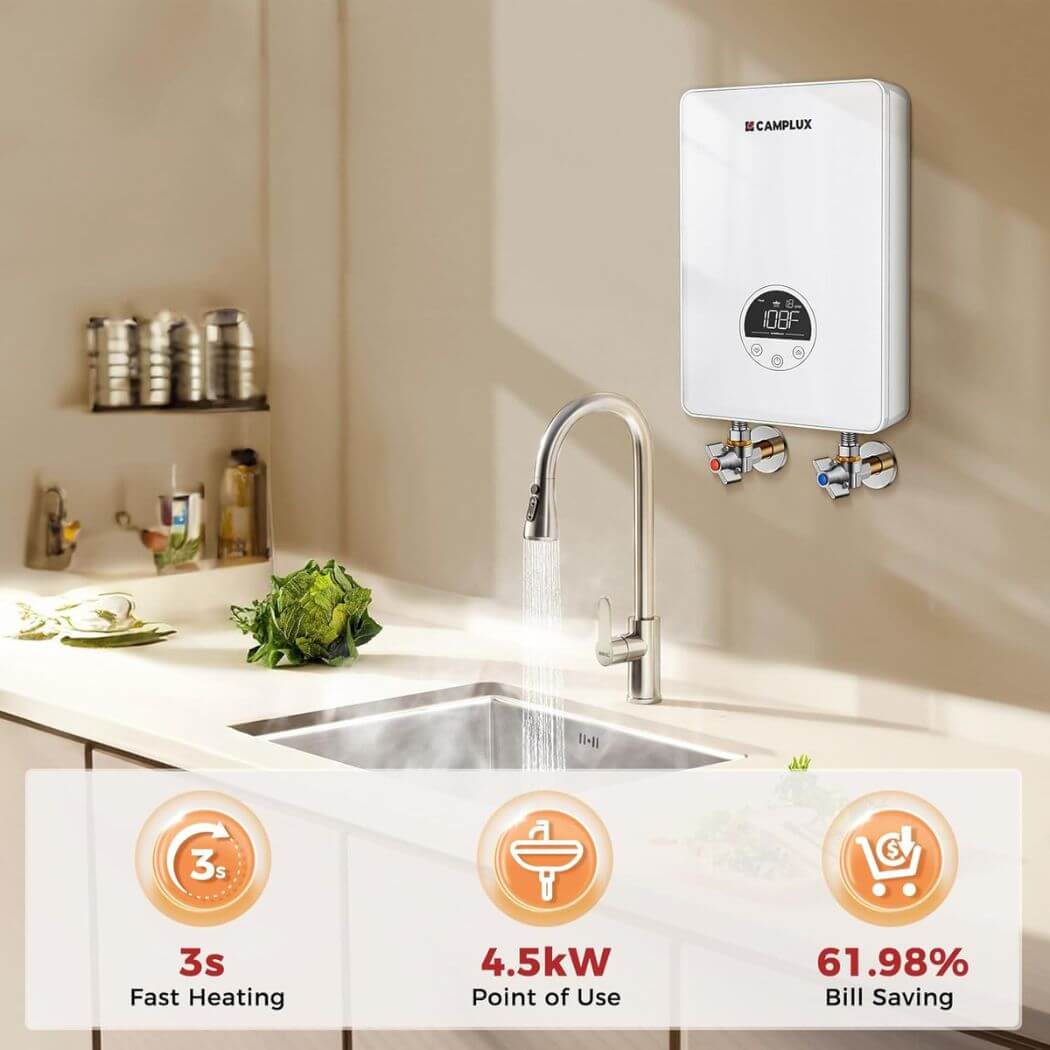
- Electric Mini Tank Water Heaters — 120V plug-in, point-of-use, no electrical upgrade needed
- Portable Water Heaters — propane, 6L to 20L, for camping, RV and off-grid use
- RV Tankless Water Heaters — wall-mount propane units built for RV exterior installation
All Camplux tankless units sold in Canada meet CSA, ETL, or equivalent certification standards applicable to their installation type.
How Tankless Water Heaters Work
When you open a hot water tap, cold water flows through the unit and triggers a flow sensor. That sensor activates the burner or heating element, which heats the water as it passes through a heat exchanger. When you close the tap, the unit shuts off. There's no stored hot water — and no tank to run out of.
The practical result: hot water is available as long as the fuel or power supply holds, and you're not paying to keep 40 or 60 gallons warm around the clock. In Canada, where energy costs are a real consideration, that standby loss on a traditional tank adds up over a heating season.
The limitation is flow rate. A tankless unit has a maximum output — measured in gallons per minute (GPM) — and if demand exceeds that, water temperature drops. Choosing the right GPM for your household is the most important sizing decision.
Choosing the Right Flow Rate for a Canadian Home
Flow rate requirements depend on how many fixtures you're running simultaneously and what your incoming water temperature is. Canadian cold water inlet temperatures vary significantly by region and season — from around 2°C in Manitoba in January to 15°C or higher in coastal BC in summer. A unit rated at 4 GPM in a warm-climate test may deliver closer to 2.5 GPM when the inlet is near freezing.
As a general guide for Canadian conditions:
- Single bathroom or suite: 2.64 GPM is sufficient for one shower at a time
- Two-bathroom home: 3.18 to 3.60 GPM handles two simultaneous fixtures in moderate climates
- Three or more bathrooms: 4.22 GPM and above for reliable multi-fixture coverage
- Whole-home in cold climates: 5.28 to 6.86 GPM for larger homes or colder regions where inlet temperatures drop significantly in winter
If you're in a colder province — Manitoba, Saskatchewan, northern Ontario, or Alberta — size up from what a US-based sizing guide recommends. The inlet temperature difference is real and affects output.
Gas vs. Electric vs. Propane — Which Is Right for Your Situation
Natural gas tankless units offer the lowest operating cost per unit of heat in most Canadian provinces where gas rates are competitive. They require a gas line connection, proper exhaust venting, and installation by a licensed gas fitter. Best for: city homes already on the gas grid.
Propane tankless units work identically to natural gas models but run on propane — the fuel of choice for rural properties, cottages, and off-grid setups where natural gas isn't available. Propane burns slightly hotter than natural gas, which can mean better cold-weather performance. Best for: rural homes, cottages, cabins, and properties outside the gas grid.
Electric tankless units require no venting and no gas permit, making them the cleanest installation option. The tradeoff is electrical demand — a whole-home unit draws significant amperage and requires a dedicated circuit. Best for: condos, apartments, basement suites, and homes with no gas access.
For a direct comparison of available models across fuel types, see the Gas Tankless and Electric Tankless collections, or the Tankless Water Heater Canada page for Canadian-specific buying guidance including CSA certification details and cold-climate performance notes.
Indoor vs. Outdoor Installation
Indoor tankless water heaters require a venting system to exhaust combustion gases — typically a horizontal vent through an exterior wall or a vertical flue. Camplux indoor gas units use a sealed combustion system and require proper exhaust installation per Canadian building code. If you're not sure about your venting situation, consult a licensed gas fitter before purchasing.
Outdoor tankless water heaters eliminate the venting requirement entirely — they're designed to be mounted on an exterior wall and exhaust directly into open air. They're a practical option for cabins, workshops, and properties where running an interior vent isn't feasible. The tradeoff is cold-weather exposure: outdoor units need to be drained and protected from freezing when not in use during Canadian winters.
What Canadian Buyers Should Know
Certification matters. In Canada, gas appliances must meet CSA standards for safe installation and operation. All Camplux gas tankless water heaters sold through this store are CSA-certified for Canadian use. Electric units are ETL-listed and meet Canadian electrical safety standards. If you're purchasing for a permitted installation, confirm the certification requirements with your local authority having jurisdiction (AHJ) before ordering.
Cold-weather performance is a real consideration that US-based product specs often don't address directly. Canadian inlet water temperatures in winter are significantly colder than the conditions most American performance ratings are tested against. When comparing GPM ratings, factor in your region's typical winter inlet temperature — not just the rated output at standard test conditions.
For RV and seasonal use, see the RV Tankless Water Heaters and Portable Water Heaters sections, which cover units designed for non-permanent installation and variable water pressure conditions.
Frequently Asked Questions
What is the difference between a tankless water heater and a traditional tank water heater?
A traditional tank water heater stores a fixed volume of hot water and reheats it continuously to maintain temperature — including overnight when no one is using it. A tankless unit heats water only when a tap is opened, with no storage tank. The result is no standby heat loss and no running out of hot water, at the cost of a higher upfront purchase price and, for gas units, a venting installation requirement.
Do tankless water heaters work in cold Canadian winters?
Yes, but flow rate output is affected by inlet water temperature. In colder provinces, winter inlet temperatures can drop to 2–5°C, which reduces the temperature rise a unit can achieve at a given flow rate. Sizing up — choosing a higher GPM unit than a warm-climate guide might suggest — is the standard approach for reliable winter performance in Canada.
Do I need a permit to install a tankless water heater in Canada?
In most Canadian provinces, replacing or installing a gas appliance requires a permit and must be done by a licensed gas fitter. Electric installations typically require an electrical permit. Requirements vary by province and municipality — check with your local authority having jurisdiction (AHJ) before proceeding.
Can a tankless water heater supply a whole house?
Yes, with the right unit. Whole-home coverage requires matching the unit's GPM output to your peak simultaneous demand, accounting for your region's inlet water temperature. For most Canadian two-bathroom homes, a 3.60 to 4.22 GPM unit is sufficient in moderate climates. Larger homes or colder regions may require 5.28 GPM or higher. See the Gas Tankless Water Heaters collection for whole-home options.