
Portable water heaters in Canada can look inexpensive upfront, but hidden costs like certification verification, cold-weather performance losses, and winter freeze exclusions in warranties can add 20–40% to your total spend. Verify CSA/UL marks, provincial code fit, and realistic flow rates before you click purchase.
What are the real hidden costs of buying portable water heaters in Canada? The short answer: certification, shipping and regional compliance, performance in sub-zero inlet temperatures, and warranty exclusions are the biggest budget surprises.
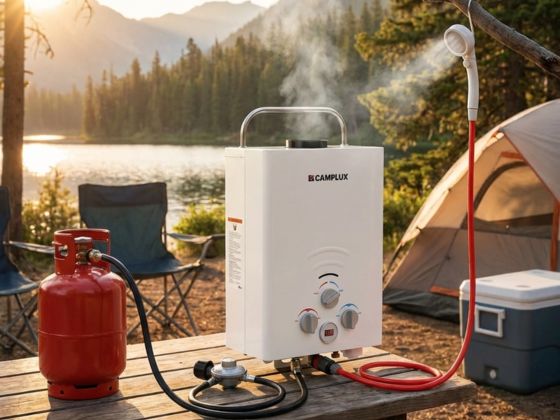
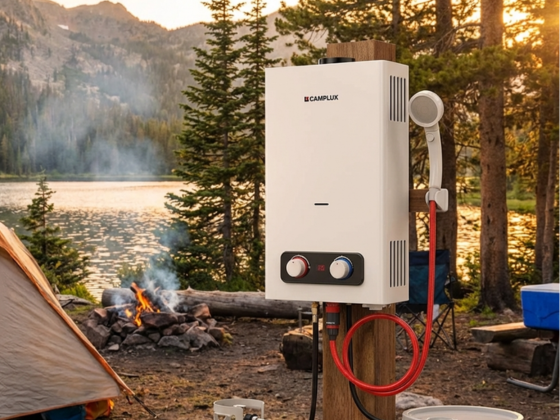
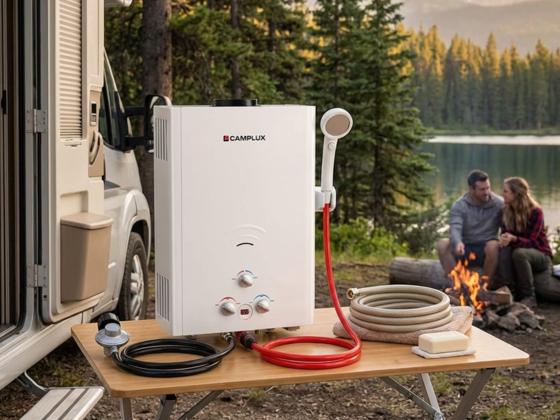
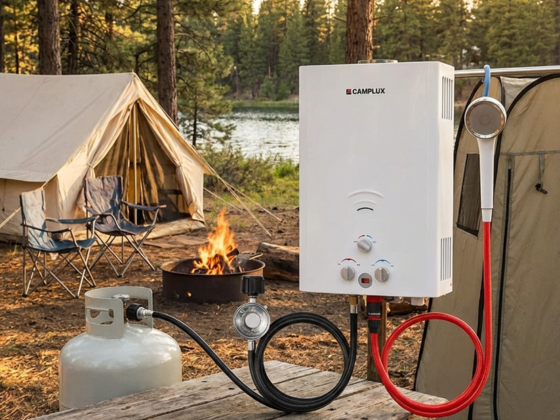
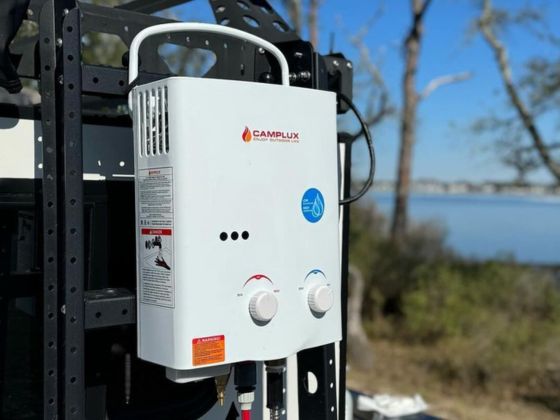
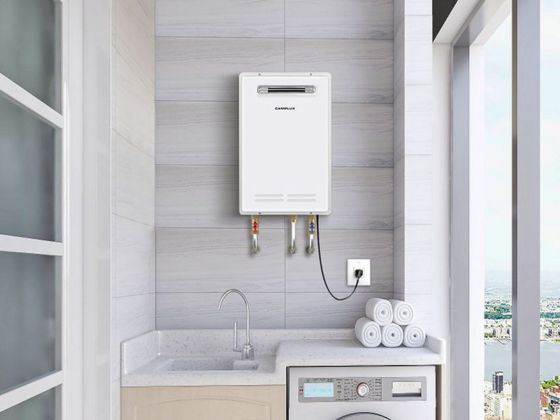
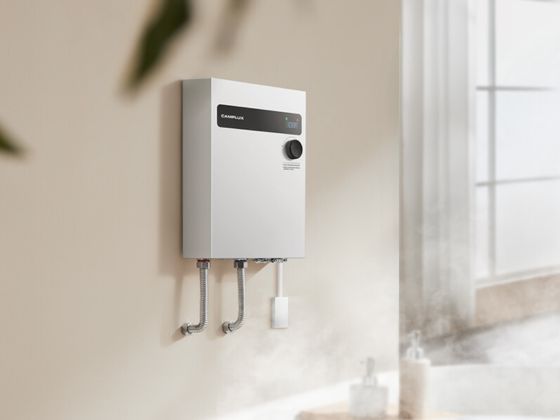
Why does this happen so often? Fair question — cheaper listings, unclear specs, and imported units with counterfeit labels cause most confusion. Check CSA Group and NRCan references, confirm parts support in Canada, and read warranty fine print before you buy. For product options, compare models like the Camplux 16L and the smaller Camplux 2.64 GPM to understand how specs translate to day-to-day use.
Key Benefits
Portable water heaters save space and let you get hot water where you don't have a permanent system, often at a fraction of the upfront cost of a built-in tank system. They can be 30–70% cheaper to buy, depending on capacity and fuel type.
They also reduce installation complexity in many situations: you can avoid a full plumbing retrofit when using a compact propane or electric unit. And you gain flexibility for seasonal use, RVs, cottages, or jobsite wash stations.
One important buyer concern is durability. Buyers often evaluate corrosion resistance and serviceability because repairs out of warranty can eclipse the original price. If you prioritize long-term parts access, pick a model with Canadian distributor support.
Who Is This For?
This buyer advice is aimed at Canadian homeowners, cottage owners, and weekend RV users who need reliable hot water without a large permanent system. It's also useful for small contractors fitting temporary wash stations or mobile businesses.
Buyers with regular winter use in provinces like Manitoba, Saskatchewan, or northern Ontario need models rated to handle low inlet temperatures; otherwise performance falls and cold-start cycles increase fuel use. If you live in coastal BC or Quebec where codes differ, check local regulations.
A common decision concern is whether to pay more for Canadian-certified units. If you value verified safety marks and fast parts support, buying from a Canadian supplier that lists CSA B149.1 or ENERGY STAR Canada information is worth the premium.
Common Hidden Costs Explained
Upfront price is only part of the equation. Expect to add costs in three buckets: compliance & documentation, winterization & hardware, and aftersales/support. Each can be 5–25% of the purchase price, depending on complexity.
Compliance costs include verifying CSA marking, extra fittings for provincial code compliance, and possibly a certified install if your province's electrical or gas code requires it. For example, Ontario may require work by licensed trades for gas connections under the Ontario Building Code.
Winterization costs are often overlooked. You'll need freeze protection accessories or heated enclosures for units used year-round outdoors. Many warranties exclude freeze damage, which means a single freeze failure could force full replacement at the buyer's expense.
Regional Rules & Certifications to Verify
Certification fraud is a real risk. This is actually a common point of confusion: counterfeit CSA labels show up on cheaper imports. Verify certificates on the CSA Group database, and cross-check model numbers on the manufacturer's spec sheet before you buy. External resources like CSA Group are authoritative.
Minimum Energy Performance Standards from NRCan affect some electric tankless models; check NRCan listings for current MEPS requirements. Also look for ULC listings on electrical products and ULC 1 or ULC S602 for safety where applicable.
Provincial code variations matter. Ontario's OBC and Quebec's code can require different venting or appliance locations. If you plan permanent installation, factor in permitting fees and certified trades fees — these can be several hundred dollars.
Sizing, Flow Rates and Cold-Water Performance
Sizing is more complicated than "litres per minute." A common mistake is matching advertised GPM to your expectations without testing inlet temperature impact. For example, small propane tankless units often list 4–7 GPM at 25°C inlet, but that drops significantly when inlet water is 5°C.
One specific number to watch: manufacturers sometimes state BTU or kW ranges; small portable propane models are often in the 32,000–75,000 BTU range, which translates to varied flow at set temperature rises. Confirm the temperature rise chart for your local winter inlet temperature before choosing.
Buyers worry about overpaying for capacity they don't use and under-spec'ing a heater that won't keep up. If you prioritize consistent showering temps in cold regions, choose a higher BTU/kW rating and oversize by roughly 20% compared to warm-climate specs.
Failure Modes & Red Flags
Failing to check parts availability is a leading cause of long downtimes. Some manufacturers ship from overseas with limited Canadian parts networks; that can mean weeks without service. If uptime matters, confirm a local parts distributor or spare-parts list.
Red flags include vague certification references, missing serial-number traceability, and warranty clauses excluding freeze or misuse damage. Read the warranty; many portable heaters offer 1-year parts and labor, while heat exchanger coverage varies—confirm the exact terms on the manufacturer's PDF.
Another failure mode is performance degradation at low inlet temps. If your inlet drops below the manufacturer's recommended minimum, you'll see reduced flow rates and more frequent ignition cycles. Quick heads-up: check the minimum inlet temp and plan for pre-heaters where needed.
Comparison Table: Junsky vs Competitors
Below is a side-by-side view of three representative portable water heaters so you can compare price range, certifications, and practical buying details. Prices are Canadian retail ranges; confirm current listings before purchase.
| Model | Price Range (CAD) | MOQ | Lead Time | Certifications | Best For |
|---|---|---|---|---|---|
| Camplux 16L Outdoor (Junsky) | C$249–C$399 | 1 unit | In-stock (varies) | CSA-listed (verify model), ULC where applicable | Balanced flow, RV and cottage use |
| Onsen 5L Outdoor Propane | C$129–C$199 | 1 unit | Typically 1–3 weeks | Manufacturer-stated certifications (confirm) | Light-duty camping, single fixture |
| Onsen 10L Outdoor Propane | C$199–C$299 | 1 unit | Typically 1–3 weeks | Manufacturer-stated certifications (confirm) | Higher flow for showers, seasonal cottage use |
If you want the Camplux 16L's balance of flow and certification, check availability and specs now. View product details
Pros/Cons Scoring Matrix
We scored three options on five buyer-focused criteria. Scores: 1–5 (higher is better). This helps translate specs into business outcomes like downtime risk and value for money.
| Model | Safety/Cert Score | Cold Performance | Parts Support | Value for Money | Overall |
|---|---|---|---|---|---|
| Camplux 16L | 4 | 4 | 4 | 4 | 4.0 |
| Onsen 5L | 3 | 2 | 2 | 3 | 2.4 |
| Onsen 10L | 3 | 3 | 2 | 3 | 2.8 |
If you prioritize cold-weather reliability and parts availability, the Camplux 16L's higher support score fits best. View product details
How to Choose the Right Option
Start by listing three practical needs: average draw (GPM), lowest inlet temperature, and how fast you need service. Convert those into minimum BTU/kW and flow numbers. A good rule of thumb is to oversize capacity by 15–25% if you regularly see sub-10°C inlet temps.
Check certifications on the official CSA Group database and NRCan listings before buying. This avoids counterfeit-label risk and confirms the model was tested to relevant Canadian standards. Also ask the seller for a downloadable spec sheet with temperature-rise charts.
Also think about warranty and returns. Returns policy, warranty length, and customer support availability matter more than the few dollars saved on sticker price. If you prioritize easy returns, buy from retailers that list clear return windows and on-shore support.
Real-World Buyer Scenarios
Scenario A: A cottage owner in northern Ontario needs hot showers in winter. They selected a higher-BTU portable unit and added a pre-heater loop. That setup kept flow steady during 0°C inlets, but added C$150 for pre-heater hardware.
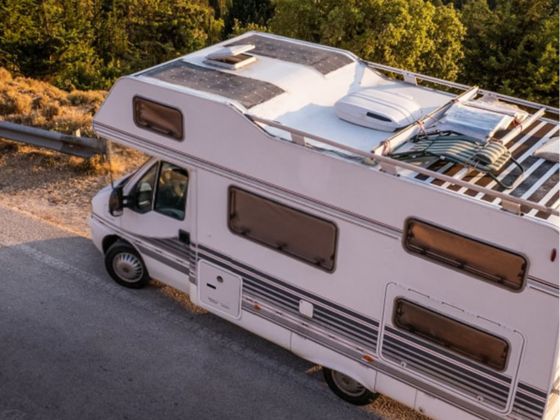
Scenario B: An RV owner in British Columbia bought a compact 5L model for summer camping. It saved weight and cost, but the unit struggled with multiple consecutive showers, so they later upgraded to a 16L model for C$150 extra.
Scenario C: A small contractor bought low-cost imported units without checking Canadian listings. One unit's label didn't match CSA records and parts took three weeks to arrive from overseas, causing two job delays. If you prioritize uptime, choose models with Canadian distributor networks.
Quick tip: Cross-reference the seller's customer support hours and spare-parts shipping origin before purchase to estimate downtime risk.
Which One Should You Choose?
For homeowners who need reliable cold-weather performance and quick parts support, the Camplux 16L Outdoor model is the strongest fit because it balances higher flow with documented Canadian support and clearer certification paths.
For budget-minded seasonal users who only need hot water for light summer use, the Onsen 5L is designed for campers who prioritize portability and low price over cold-weather capacity.
For buyers needing higher flow for multiple showers or continuous day-to-day commercial use, the Onsen 10L fits buyers who prioritize higher GPM at a mid-price point, but check parts support and certification before buying.
If your priority is certification and local service, then Camplux fits best.
Frequently Asked Questions
How do I verify CSA certification?
Check the CSA Group online database for the exact model number and certificate. Then compare the serial/model printed on the unit to the certificate PDF. Do not rely on photos or seller claims alone; some labels are falsified. Also ask the seller for the certificate link or PDF.
Will a portable heater work in -20°C winter conditions?
Direct answer: Usually not without winterization. Many portable units are rated down to about 0–5°C inlet; below that you'll see reduced flow. You may need pre-heaters, insulated housings, or models explicitly rated for sub-zero operation. Confirm the minimum inlet temp on the spec sheet.
What should I watch for in the warranty?
Look for explicit freeze-damage exclusions and heat exchanger coverage. A common configuration is 1-year parts/labor with optional extended heat exchanger coverage; however, terms vary by brand. Ask for the exact warranty PDF and check how claims are handled in Canada.
Are energy efficiency ratings the same as the US?
Short answer: No, ENERGY STAR Canada uses different criteria. Also check NRCan MEPS for minimum efficiency standards that apply to certain electric tankless models. Verify Canadian listings rather than assuming US labels apply.
How much should I budget for installation and permits?
Plan for C$200–C$600 in simple installs where certified trades are required, plus permit costs which vary by municipality. If gas venting or electrical upgrades are needed, factor in higher costs. Request a written quote from a licensed technician before purchase.
What are signs of counterfeit certification?
Inconsistent model numbers between the product and the certificate, low-resolution label images, or seller refusal to provide a certificate PDF are red flags. You can also contact CSA Group for verification if unsure.
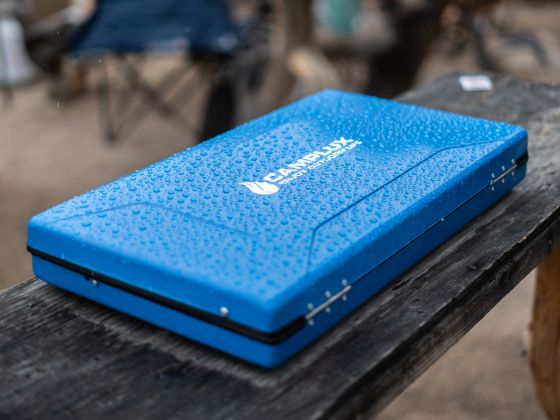
If you want product-specific specs and live availability for the Camplux lineup, check the Camplux Whole House and compact models linked here for current pricing and reviews: Camplux Whole House 24kW, Camplux 18 Gallon Electric, and the compact Camplux 2.64 GPM for small setups. If you want a portable stove companion for off-grid setups, see the Camplux Foldgo.
Compare kitchen and venting accessories, like the Camplux RV Range Hood, before you finalize a layout. Want to check the higher-flow 16L model again? View product details