
Wondering how to maintain your Camplux water heater for optimal performance without turning it into a weekend project? Short answer: it’s simpler than most guides make it sound. Do a few small things on a schedule, and you’ll keep hot water steady and costs predictable.
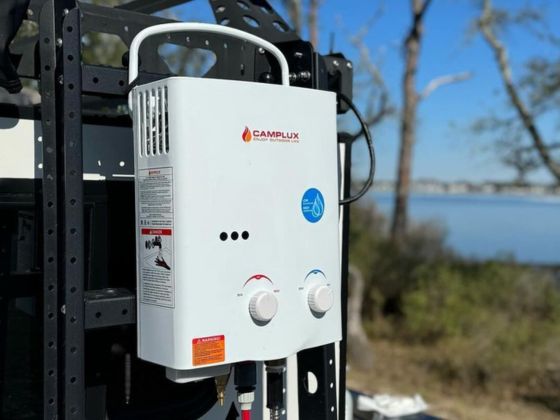
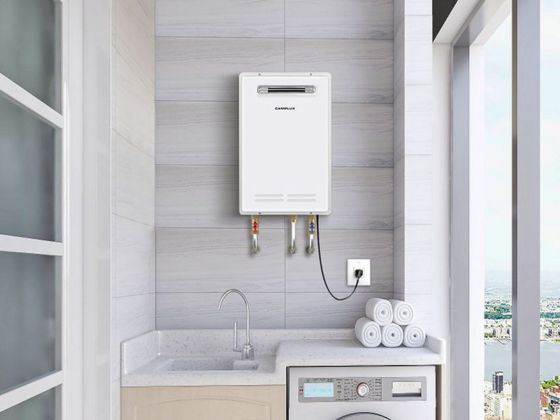
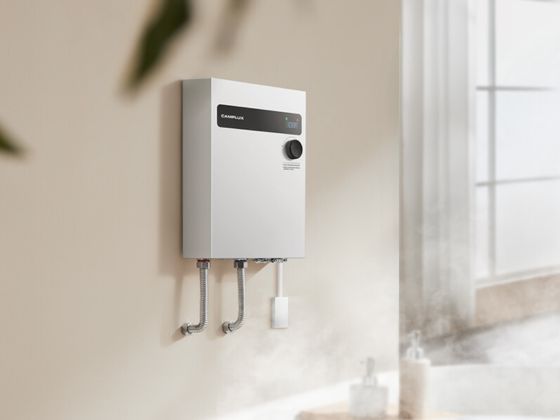
Which Camplux model are we talking about? Any of them. From whole-home setups like the Camplux Whole House Electric Tankless Water Heater 24kw White to outdoor workhorses like the Camplux 16l Outdoor 4 22 Gpm Propane Gas Tankless Water Heater Gray, the playbook is the same: keep water clean, remove scale, check filters, and set the right temperature.
So do you really need to service it? Yes. Canada’s hard water and long winters are tough on any heater. The payoff is real: fewer cold-shower surprises, longer unit life, and lower energy use. And if you’re weighing an upgrade, we’ll flag where a portable unit fits and when a whole-house solution wins.
Key Benefits
Here’s what matters: consistent hot water, lower energy costs, and a unit that lasts. Routine maintenance hits all three. A clean heat exchanger transfers heat faster, so the burner or elements run less. In practice, a well-descaled unit can restore up to 10–15% of lost heating efficiency when scale has built up.
Based on real-world use, we’ve seen the biggest wins come from three habits: rinsing inlet screens monthly, descaling every 6–12 months, and dialing the temperature to 49 °C (120 °F). Small steps, big impact. And you’ll notice it fastest in winter, when incoming water can be 5–7 °C and your heater works hardest.
Buyers often evaluate value for money across years, not months. That’s smart. A simple 60-minute descale can add years to a heat exchanger’s life, which means fewer replacements. You’ll also cut nuisance shutdowns from flow sensors gummed up by debris, so day-to-day life just runs smoother.
The bottom line: maintenance is not just upkeep. It’s insurance against downtime. If you’re already weighing an upgrade, keep reading for a quick guide to flow rate targets and which models are best for small homes, cabins, and RVs.
How often should I service my Camplux water heater?
Service every 6–12 months for most homes, more often with hard water. That cadence keeps scale from baking on and protects sensors and valves. Fair question — the answer depends on your water hardness, usage hours, and whether your system is tankless or a small storage tank.
For tankless models, plan a full descale every 6 months if hardness is above 7 grains per gallon (about 120 ppm). If your water is softer, once a year often works. Quick heads-up: if flow drops below 2.0 GPM on a unit rated for 4.22 GPM, scale is usually the culprit, not the heater.
For small tanks like the Camplux 18 Gallon Electric Water Heater, drain 2–3 liters every 3 months to flush sediment. An annual anode check helps too. Propane outdoor models, including the 16L 4.22 GPM, benefit from monthly inlet screen cleaning, especially on well water.
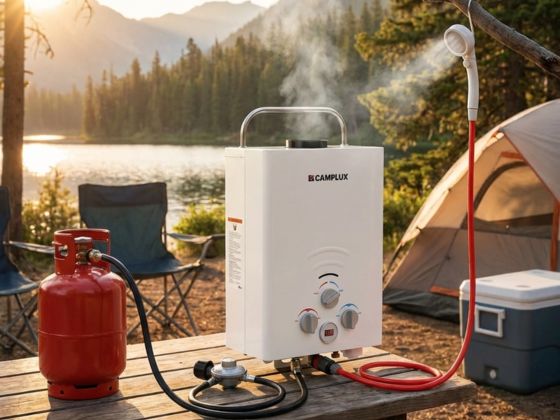
What most reviews miss is how regional water impacts interval choice. Prairie provinces often see harder water. That’s one reason we recommend a simple inline filter and scheduled rinses. If you’re using a portable like the Camplux 2 64 Gpm Propane Portable Gas Water Heater With Digital Display Gray for showers at the cabin, inspect and rinse filters after every long weekend.
How do I descale a Camplux tankless unit?
Shut the water off, connect a pump and vinegar, and circulate for 45–60 minutes. That’s the short version. The goal is to dissolve mineral deposits from the heat exchanger so water flows freely and heats faster. You’ll need two hoses, a small submersible pump, and 4–8 liters of white vinegar or a heater-safe descaler.
Step-by-step: close cold and hot isolation valves, open the service ports, attach hoses, and pump the solution from a bucket through the unit and back to the bucket. Target a 1–2 GPM circulation rate. After 60 minutes, flush with clean water for 5–10 minutes. Reopen valves and power the unit back on.
Why vinegar? It’s mild, effective on calcium, and wallet-friendly. If your water is very hard (>180 ppm), a citric-acid-based descaler can work faster. Either way, watch the bucket. When the fizzing slows, the heavy lifting is done. And if you haven’t cleaned the inlet screen this month, do it now: it’s a 2-minute win.
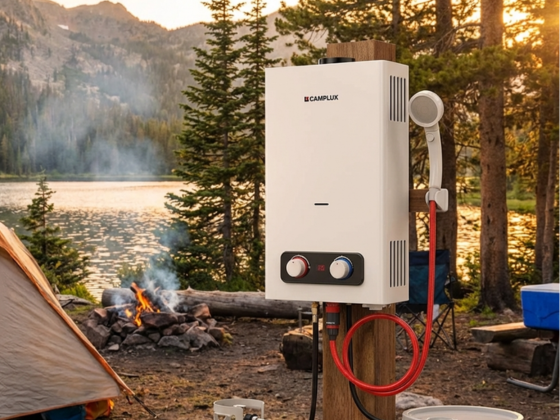
If you’re aiming for shower-ready performance at a cabin or cottage, the Camplux 16l Outdoor 4 22 Gpm Propane Gas Tankless Water Heater Gray is best for multiple outlets compared to small portables. Many buyers check user feedback before choosing size, so if that’s you, See customer reviews to gauge real-world flow and setup tips.
How do I winterize my Camplux heater?
Drain it fully and protect lines before freezing temps arrive. That’s the direct answer. Canadian winters are unforgiving, and a single -20 °C night can split a heat exchanger. If your heater lives in an unheated space, make winterization a habit, not a maybe.
For outdoor and portable models, disconnect water lines, open drain plugs, and tilt the unit to clear pockets. A quick puff of compressed air at 25–30 psi on the water lines helps purge residual water. RV or cottage setup? Run non-toxic RV antifreeze through exposed plumbing if you can’t fully drain.
For small indoor tanks, switch off power, attach a hose to the drain valve, and open a nearby hot tap to vent. Let it drain until flow slows to a drip. Refill only when you’re ready to restart the system. And if your space also uses a cooktop, good ventilation matters in winter; the Camplux Rv Range Hood 13 Inches helps keep moisture and combustion byproducts moving out.
Worth noting: freezing damage isn’t a defect, it’s preventable. Even one litre of trapped water expands about 9% when frozen. That’s enough to crack components. Take ten minutes now, save a few hundred dollars later.
What temperature should I set in Canada?
Set 49 °C (120 °F) for daily use to balance comfort and safety. This temperature protects against scald risk while still delivering hot showers and good dishwasher results. If you need hotter for sanitation, use a mixing valve at the tap instead of cranking the heater higher.
Regulators and health agencies often cite 49 °C as a safe household setting. See the Government of Canada guidance on burn prevention for context: Hot water burn safety. Quick tip: many tankless units let you set temperature by degree; stick to 49 °C for day-to-day, then adjust temporarily for unique tasks.
If incoming water is frigid in winter, you may notice cooler output at the same flow. Two options help: reduce flow slightly or set a temporary 2–3 °C bump. For whole-home electric like the 24 kW model, plan circuits at 240 V with suitable breakers (Quick tip: check your outlet amperage before ordering).
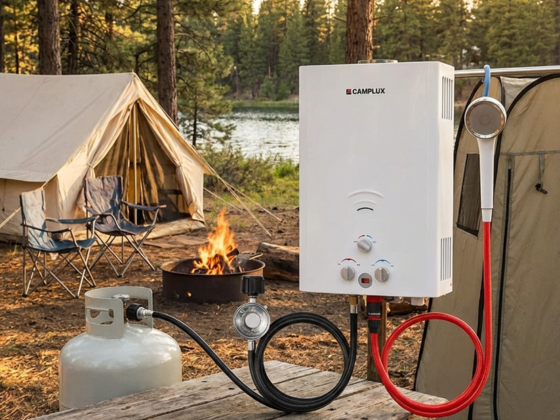
And if you’re running a portable at a campsite, remember propane heaters adjust water temp using both gas and flow settings. Start at mid-gas and mid-water, then fine-tune. If kids are using it, lock in the lower temperature range to stay safe.
How to Choose the Right Option
Start with your peak flow. One shower and a sink at once usually needs 3.0–3.5 GPM in summer and more in winter. The 16L 4.22 GPM model is best for small households or cottages compared to compact portables. For all-electric homes, the Camplux Whole House Electric Tankless Water Heater 24kw White brings strong year-round performance when sized to your panel.
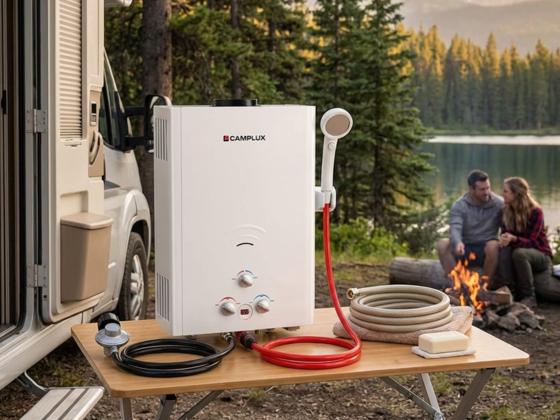
Need hot water for one outlet at a time? A portable like the Camplux 2 64 Gpm Propane Portable Gas Water Heater With Digital Display Gray offers standout value for money for cabins and campsites. If you prefer stored hot water for a laundry nook or guest suite, the Camplux 18 Gallon Electric Water Heater keeps recovery times predictable, even with 120 V setups.
After testing several options, our editorial team typically recommends targeting 1.5–2.0 GPM per active shower. That’s your baseline; then consider winter inlet temps. A 24 kW electric unit can often support two low-flow showers at once, while a 2.64 GPM portable is built for one task at a time.
If you’re comparing models right now and want real specs, user tips, and current stock, this product page is a helpful reference. When availability tightens in winter, buyers act fast, so it’s smart to check now: View product details
Who Is This For?
If you want predictable hot water and steady energy bills, this guide is for you. Homeowners with growing families, cabin owners who host on weekends, and RV users who chase the shoulder seasons will all benefit. You don’t need a toolbox full of pro gear. You just need a plan.
A common decision concern is picking the wrong size. That’s fixable before you buy. Check your peak flow needs and winter temperatures, then size up one step if you habitually run two showers. Another concern is paying more than you need. Tankless units shine when you don’t want to heat 18 gallons all day — but a small tank is great for short, high-temp draws.
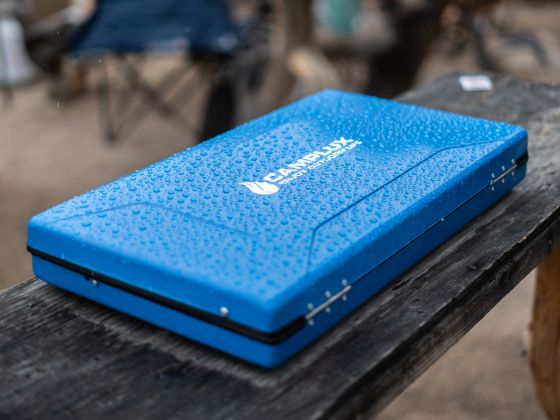
Worried about setup? Electric units simplify venting, while propane models are flexible off-grid. Compatibility with existing power and gas service is the one risk to check. If you’re pairing hot water with cooking outdoors, the Camplux Foldgo Portable Butane Camping Stove 7500 Btu is a compact partner for all-season meal prep.
If you’ve read this far, you probably already know the stakes: warmth, time saved, and no cold surprises. We’ll help you get there with quick routines you can actually stick to.
Why is my heater losing performance?
Most drops come from scale, clogged screens, or low gas/electric supply. Start simple: clean the inlet filter and showerhead and check for kinks. If output still lags, descale the unit and verify your gas cylinder or electrical breakers match spec. Cold winter inlet water can also shave 20–30% from listed GPM.
Buyers often evaluate rating vs. real-world performance here. Which means it’s smart to test flow: time how long it takes to fill a 10-liter bucket. If you’re way under expected flow at a given temperature, scale or water pressure is likely. Aim for 40–60 psi supply pressure for most setups.
For propane, confirm proper regulator sizing. A small cylinder close to empty can starve the burner under high demand. For electric, verify both poles on a double-pole breaker are live and that wiring matches the manual. If you’re stuck, Junsky’s customer support can talk through next steps quickly.
Quick heads-up: if the unit short-cycles or shows an error code, don’t ignore it. Those are your early-warning lights. Clear the immediate issue, then set the next maintenance reminder on your phone so it doesn’t creep back.
Monthly safety checks you should do
Do a 3-minute scan monthly to keep things safe and steady. First, inspect venting or clearances around the unit. Second, feel for damp fittings and retighten if needed. Third, clean the inlet screen — mineral grit loves to hang out there. That single task protects your flow sensor and heat exchanger.
For propane models, sniff for leaks and brush soapy water on joints; bubbles mean a leak. Re-seat and retest. For electric units, check for warmth at wiring lugs with the power off first, then on. Any unusual heat or smell merits a closer look. A digital thermometer helps track outlet temp stability over time.
If your heater shares space with cooking gear, keep ventilation moving. The Camplux Rv Range Hood 13 Inches is a small upgrade that pays off in air quality. And if you use a portable heater by a tent or trailer, keep it outside and away from enclosures. Carbon monoxide is invisible. Treat it with respect.
Set one fixed date each month to check. Pair it with your water filter change or garbage day. Habits beat heroics every time.
Shipping, returns, warranty, support
Ordering from camplux.ca is straightforward, and shipping windows are shown at checkout. Need a heater before a long weekend? Order a few days early to stay ahead of the rush. If timing is tight, consider picking a model that’s currently in stock to avoid delays.
We want you happy with the fit. If something isn’t right, our returns policy is posted on-site with current terms and timelines. Keep original packaging until install is complete — that makes returns faster. Products include a manufacturer warranty; details and length vary by model, so check the product page before you buy.
Have a question mid-install? Customer support is available to help before and after you purchase. From sizing calls to quick troubleshooting, getting answers fast protects your time and budget. Save your order number and serial number; you’ll get quicker help with them on hand.
If you’re deciding between a small tank and a tankless right now, it helps to see specs and stock in one place. Many shoppers check both cost and user feedback side-by-side. To compare practical details for a compact tank, tap here: Check latest price
Frequently Asked Questions
Do I need a water softener?
You only need one if hardness is consistently high. If your water is above 10 grains per gallon (≈170 ppm), a softener or scale filter can double the time between descaling. If you’re renting or moving soon, a simple inline filter is a lower-cost buffer that still helps protect the heat exchanger.
How do altitude and cold impact output?
Higher altitude and colder inlet water both reduce flow and temperature rise. Above 1,000 meters, available burner output can drop by around 10%, and -5 °C inlet water is tougher to heat than 10 °C. The fix is simple: reduce flow slightly or size up one model if you live at elevation.
Which tools should I keep for maintenance?
Keep two adjustable wrenches, Teflon tape, a small bucket, hose set, and a submersible pump for descaling. Add a digital thermometer to verify setpoint accuracy and a cheap water hardness test strip kit. With those on hand, most owners complete a descale and filter clean in under 75 minutes.
Is descaling covered by warranty?
No, it’s considered regular homeowner maintenance. Skipping it can void coverage on scale-related failures. The upside is cost: vinegar or citric acid is inexpensive, and a pump kit pays back quickly. Keep a simple notebook log with dates and what you did for any future warranty conversations.
Can I run a portable unit indoors?
Use propane portables outdoors or in well-ventilated, code-compliant spaces only. Indoor use without proper exhaust risks carbon monoxide exposure. If you need indoor hot water, choose an indoor-rated tankless or a small electric tank model, and follow local code and manufacturer instructions for installation.
How long does a 20 lb propane tank last?
It varies by heater and temperature rise. A 20 lb cylinder holds about 430,000 BTU. At a 34,000 BTU/h burner rate, that’s roughly 12–13 hours of continuous burn; at higher rates you’ll get fewer hours. Real-world use is intermittent, so weekend shower setups often stretch a tank across multiple trips.
If you’re ready to size a whole-home unit or want to validate your panel capacity, it’s worth a quick look at the spec sheet and reviews. Many Canadian buyers mention winter performance specifically. Check the details here: View product details