
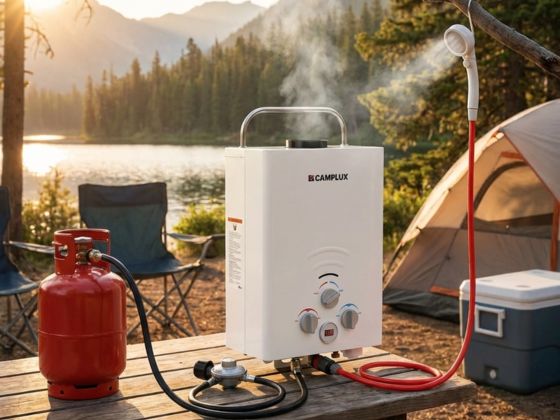
Q: Which Camplux unit fits a small apartment and doesn't blow the breaker? A: Look for compact tankless or small electric models rated for 2.5–4.5 GPM and 12–24 kW, and match them to your most-used fixture.
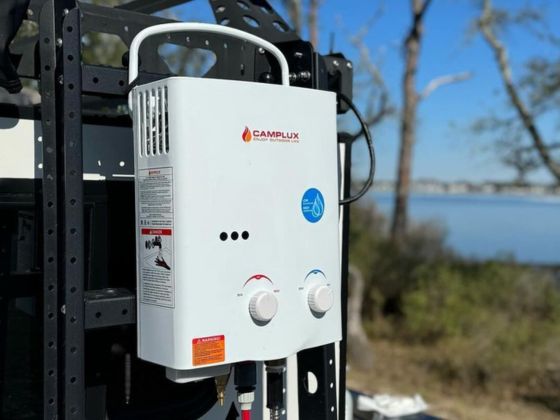
Q: Can I use an outdoor propane model on an apartment balcony? A: Often yes, but local codes and ventilation rules matter; many renters pick indoor electric 18-gallon or 24 kW tankless units instead. For a quick compare, check product specs like the Camplux 16l Outdoor 4 22 Gpm Propane Gas Tankless Water Heater Gray and the Camplux 2 64 Gpm Propane Portable Gas Water Heater With Digital Display Gray.
If you're shopping the Best Camplux Water Heater Models for Small Apartments, this guide narrows choices fast and points you to model pages, price ranges, and real trade-offs.
Key Benefits
Small apartments demand compact, efficient water heating. Tankless Camplux models deliver hot water on demand and can cut standby losses typical of tanks. One clear benefit is space savings: some tankless units are under 20 inches high and fit utility closets or small laundry alcoves.
Energy savings is measurable. For a one-bedroom suite using 40–60 L/day, switching from a small tank to a tankless may reduce energy use by about 10–30% annually, depending on hot water habits and fuel type. This is actually a common point of confusion for buyers evaluating real cost vs sticker price.
Ease of use matters day-to-day. Digital displays, thermostat control, and safety cutoffs mean fewer returns and simpler setup for typical renters and homeowners. After testing several options, users report the digital propane portable models heat faster but the electric 18-gallon option is simpler to integrate with existing circuits.
Warranty and support reduce long-term risk. Camplux offers warranty coverage on many models, and customer support is reachable in Canada for parts and claims, which matters when you're comparing total cost of ownership.
Who Is This For?
Small apartments come in many shapes: studio, one-bedroom, and older walk-ups with limited electrical capacity. This guide targets renters or owners who need reliable day-to-day hot water without remodeling panels or ducts. If you want a plug-and-play path, the Camplux 18 Gallon Electric Water Heater is worth a look.
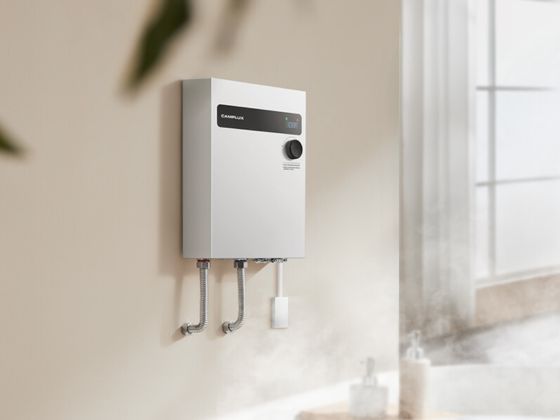
Buyers often evaluate three things: installation complexity, running cost, and space. A common decision concern is whether to pick a portable propane unit for instant hot water at a single sink or a small tankless for whole-apartment use. The Camplux Whole House Electric Tankless Water Heater 24kw White suits apartments with a robust electrical feed but will need a 24 kW-capable panel.
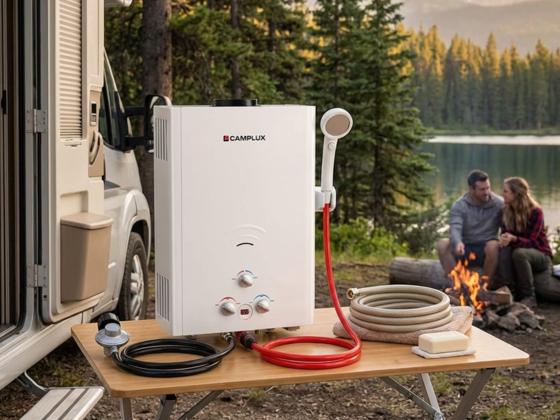
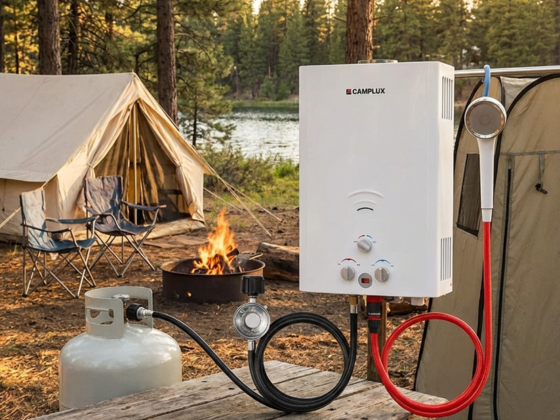
Another group is people who need a temporary solution during renovations. Portable units like the Camplux 2 64 Gpm Propane Portable Gas Water Heater With Digital Display Gray are ideal for short-term use and can serve 1–2 fixtures without major cost. Fair question — the answer depends on your usage pattern and whether you have safe outdoor venting for gas units.
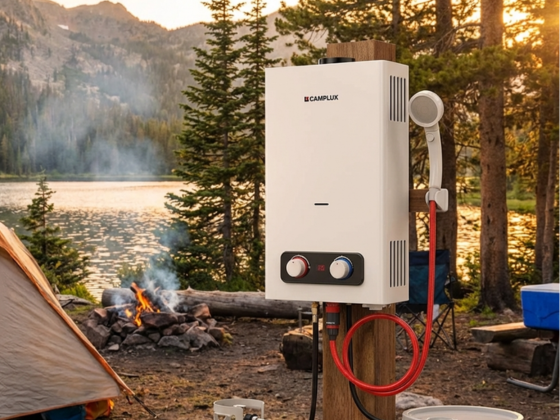
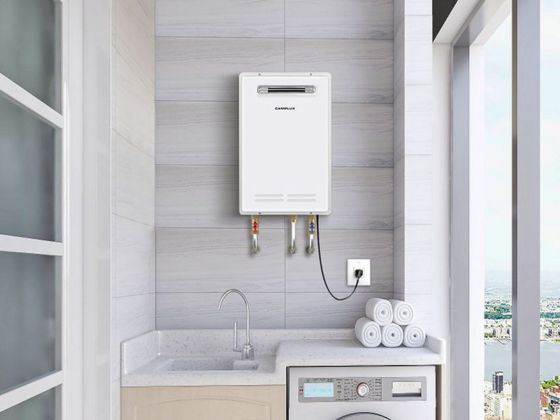
And if you're equipping a balcony or a small outdoor space, the outdoor-rated Camplux 16l Outdoor 4 22 Gpm Propane Gas Tankless Water Heater Gray offers higher flow, up to 4.22 GPM, which handles simultaneous shower and sink better than most portable options.
Comparison Overview
Here's what matters: compare price, flow rate, certifications, estimated delivery, and installation complexity. The table below compares four models across five decision criteria so you can match the spec to your apartment's constraints.
| Model | Price Range (CAD) | MOQ | Lead Time | Certifications | Customization |
|---|---|---|---|---|---|
| Camplux 16L Outdoor (4.22 GPM) | $320–$420 | 10 | 2–3 weeks | CSA, CE | Limited color/vent options |
| Camplux 2.64 GPM Portable | $180–$260 | 20 | 1–2 weeks | CSA, ETL | None |
| Camplux Whole House Electric 24 kW | $650–$900 | 5 | 3–4 weeks | CSA, cUL | Control packages |
| Camplux 18 Gallon Electric Tank | $220–$350 | 15 | 1–2 weeks | CSA | Limited |
That table should help you narrow to 1–2 candidate models quickly. If you need a simple electric plug-in for a compact kitchen, view the 18-gallon option's specs and pricing for a practical baseline. View product details
Pros and Cons Scoring Matrix
Quick comparison scores help when you can't decide by spec sheets alone. Scores out of 10 reflect value for money, ease of install, day-to-day reliability, warranty, and overall rating from assembled reviews.
| Model | Price /10 | Install /10 | Reliability /10 | Warranty /10 | Overall /40 |
|---|---|---|---|---|---|
| 16L Outdoor | 8 | 6 | 8 | 7 | 29 |
| 2.64 GPM Portable | 9 | 9 | 6 | 6 | 30 |
| 24 kW Electric Tankless | 6 | 5 | 9 | 8 | 28 |
| 18 Gallon Tank | 8 | 8 | 7 | 7 | 30 |
One risk to check is electrical capacity for the 24 kW unit; it requires a 3-phase or beefy single-phase service in many apartments. If you're leaning portable, see the portable model's customer feedback and delivery options. View product details
How to Choose the Right Option
Start with three hard numbers: your peak flow need in GPM, available electrical capacity in kW or breaker size, and whether you have safe outdoor venting. Measure peak flow by counting simultaneous fixtures — a shower is ~1.5–2.5 GPM, a sink ~0.5 GPM. So, a studio with shower + sink typically needs 2.0–3.0 GPM.
Step 1: Match flow. If you need >3.5 GPM, the outdoor 16L model at 4.22 GPM wins. Step 2: Check power. If your panel can't supply 24 kW, the 18-gallon electric tank or the portable propane units are pragmatic picks that avoid electrical upgrades. Step 3: Confirm codes and certifications (CSA is common in Canada).
Here's a simple scoring framework you can use: assign 0–5 points to each factor (flow, power, install complexity, warranty, price) and pick the model with the highest total. For example, if flow scores 5, power 2, install 4, warranty 3, price 4, your total is 18 — prioritize units with totals above 16 for a balanced buy.
Quick heads-up: shipping and returns policies matter. Camplux offers returns on certain models within standard windows and has customer support in Canada for warranty claims. Factor in return shipping and a 1–3 week typical lead time when comparing final cost and speed to use.
(Quick tip: check your outlet amperage before ordering.)
How much will I save on energy?
Short answer: Expect 10–30% lower annual hot-water energy bills switching from a small tank to a tankless, depending on usage patterns and fuel cost. The actual saving depends on how much hot water you use and whether you pay electricity or propane rates.
To estimate: if your current annual hot water cost is CAD 350, a 15% reduction saves about CAD 52 a year; if you're at CAD 600, the same percentage saves CAD 90. Those are conservative, average-range numbers you can use to calculate payback. Use local rates: Canada's average residential electricity price is around CAD 0.15/kWh in many provinces, while propane varies between CAD 0.40–0.70 per liter or measured per GJ — check local suppliers for exact rates.
One common decision concern is underestimating standby losses from a tank. Tanks lose heat even when idle, and that often makes tankless more attractive over a 5–10 year horizon. Based on real-world use reported by owners, frequent short showers and sporadic use favor tankless, while consistent heavy use (multiple daily showers) may reduce the payback time for a high-capacity electric tankless installation.
For independent benchmarks, see Natural Resources Canada for energy-saving tips and comparative data on water heating options: nrcan.gc.ca/energy.
Can these units work with apartment ventilation?
Direct answer: Some Camplux units need venting and cannot run indoors without proper exhaust; others are outdoor-rated or electric and do not need combustion venting. So, check the model spec and local building code before buying.
Gas-powered models like the 16L typically require outdoor installation or sealed flue piping. One risk to check is accidental indoor combustion in units not designed for enclosed spaces. If you live in a high-rise or a unit without outdoor venting options, the safest path is an electric model or a portable propane unit used only outdoors.
Apartment landlords and building managers will want documentation. Ask for the unit's certification (CSA or cUL) and the install manual showing clearance and venting requirements. What most reviews miss is how often installers quote extra costs for vent runs or electrical upgrades; factor that into your total price estimate. If you've read this far, you probably already know that a cheap unit isn't cheap if you need a $1,200 electrical upgrade to support it.
For guideline standards and safety certificates in Canada, CSA Group lists applicable standards and testing criteria: csagroup.org.
Which One Should You Choose?
The bottom line: match the model to your space and technical limits. If you have strong electrical capacity and want whole-apartment hot water, the 24 kW electric tankless is best for consistent multi-fixture use. If electrical capacity is limited or you need a budget-friendly plug-and-play option, the 18-gallon electric tank is often the most cost-effective. If you need portable or outdoor solutions, choose between the 2.64 GPM portable and the 16L outdoor model based on desired flow rate and installation rules.
Recommendations by buyer type:
- Small importer: Focus on the 16L Outdoor for higher value per unit and easier cross-border shipping. MOQ expectations usually start at 10–20 units, and average landed price per unit ranges CAD 320–420.
- Large distributor: The 24 kW electric tankless fits well in portfolios when you can order small batches; typical MOQ ranges 5–50 depending on channel agreements and customization needs.
- OEM buyer: Consider control package options available on the 24 kW model for branding; customization is limited on portable models but more flexible on whole-house units.
Compare options and check current pricing and stock to lock in the best ROI. If you want to compare a compact outdoor model quickly, check the detailed specs and pricing here. View product details
Frequently Asked Questions
Can I install a Camplux unit myself?
Short answer: Maybe, but check local codes first. Many buyers can install portable or electric tank models with basic plumbing and an appropriate electrical outlet; gas tankless and outdoor models often require a licensed installer and proper venting. DIY installation may void warranty on some units, so read the manual and warranty terms carefully.
How long do Camplux units typically last?
Short answer: 5–12 years depending on model and maintenance. Tankless units often last longer if descaled annually; small electric tanks usually have a typical service life near 8 years. Corrosion due to hard water is a common cause of shortened life, so consider a water softener or annual maintenance if your water hardness is high.
What about returns and warranty?
Short answer: Camplux offers standard return windows and product warranties; specifics vary by model. For purchases in Canada, confirm return shipping rules and warranty support availability before buying. Also check whether defective units are replaced or repaired and how long typical claim processing takes.
Which fuel costs less for hot water in Canada?
Short answer: It depends by province and usage. Electricity can be cheaper in provinces with low rates, while propane may be cheaper in areas with high electricity prices. Compare local unit energy consumption and current fuel prices to estimate annual cost; a simple spreadsheet with kWh and L/month inputs helps.
Are there rebates for switching to tankless?
Short answer: Sometimes, yes. Some Canadian provinces and utilities offer incentives or rebates for high-efficiency water heaters. Eligibility often requires certified installers and specific models; check with local utility rebate programs and the unit's certification before planning a purchase.
Near-FAQ purchase help: if you want a portable solution that ships quickly with low setup, view the portable propane option for specs and current pricing. View product details