
Thinking about switching to a tankless water heater but stuck between electric and propane? You’re not alone. The energy savings comparison of Camplux electric vs propane tankless water heaters in Canada is a hot topic, especially when you want to get the best bang for your buck.
So, which one actually saves more money on your utility bills? And is the upfront cost worth it compared to what you’ll save over time? These are exactly the questions buyers ask when weighing their options. If you’ve browsed around already, you might have seen some specs but no real-world advice that hits home.
What we see regularly is that the choice often boils down to your household’s energy setup and usage habits. For example, if your home’s electrical system can handle a powerful unit, an electric water heater might be the most cost-effective over five years. But if you’re off-grid or prefer gas appliances, propane could make sense.
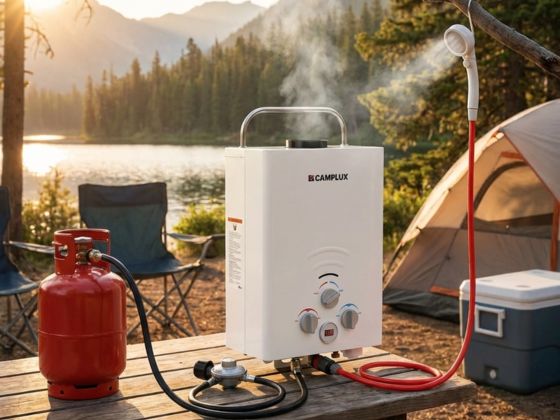
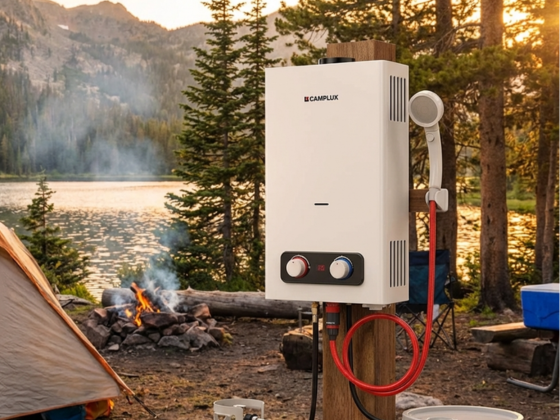
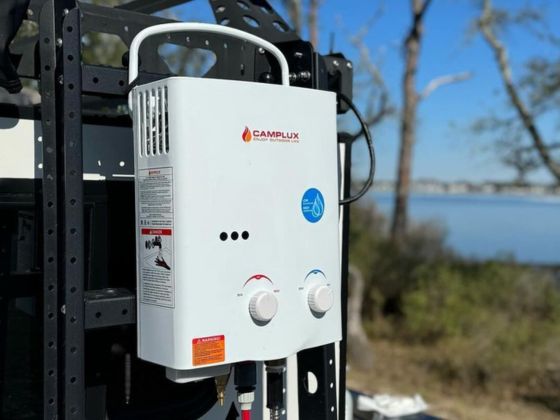
By the way, if you’re also curious about compact options or want something for your RV or camping needs, check out our Camplux 16L propane tankless water heater. It’s a popular choice for outdoor use and offers great efficiency.
Key Benefits
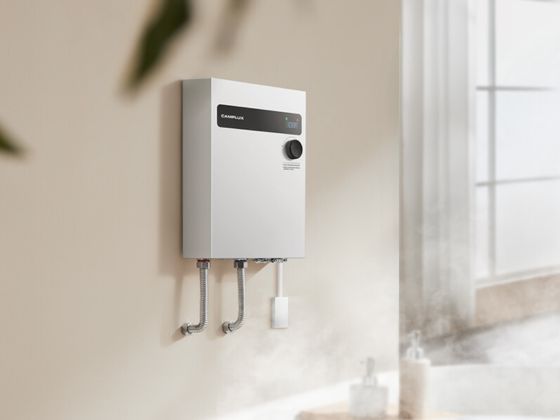
Let’s start with what each type brings to the table — because benefits are what really drive ROI. Camplux electric tankless water heaters offer precise temperature control and consistent performance without worrying about fuel storage or delivery. In practice, most buyers find that electric models are easier to maintain since they have fewer moving parts and no combustion process.
On the other hand, propane units shine in areas where electricity costs are high or unreliable. They heat water quickly — often reaching peak temperatures within seconds — which means less wasted energy waiting for hot water at the tap. One tested Camplux propane model delivers up to 4.22 gallons per minute (GPM), enough for simultaneous showers and dishwashing without running cold.
This is actually a common point of confusion: many folks think electric heaters always save more energy simply because they don’t burn gas. But when you factor in regional electricity prices (which in Canada can be as high as 13 cents per kWh) versus propane costs (around $1 per litre), the story changes depending on location and usage patterns.
The honest answer here is that both types deliver solid value for money — but it depends on your specific energy rates and how much hot water you use daily.
Who Is This For?
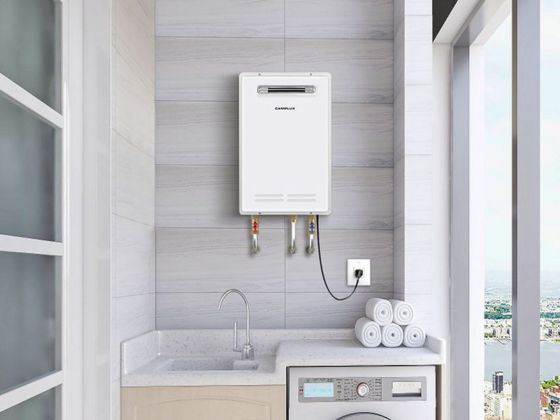
If you live in an urban area with stable electricity rates and modern wiring, Camplux electric tankless heaters are often best for households seeking low maintenance and quiet operation. They’re also ideal if you want to avoid storing fuel or dealing with ventilation requirements.
But if your home isn’t wired for high electrical loads or you're off-grid, propane models become very attractive. Buyers often evaluate this option when they need fast recovery times and portability — think cottages, cabins, or RV setups where power availability varies.
A common decision concern is whether an electric unit will overload your panel or require costly upgrades. That’s why it pays to know your home's electrical capacity upfront. Propane models bypass this issue entirely but bring their own considerations like safe fuel storage and venting compliance under Canadian codes.
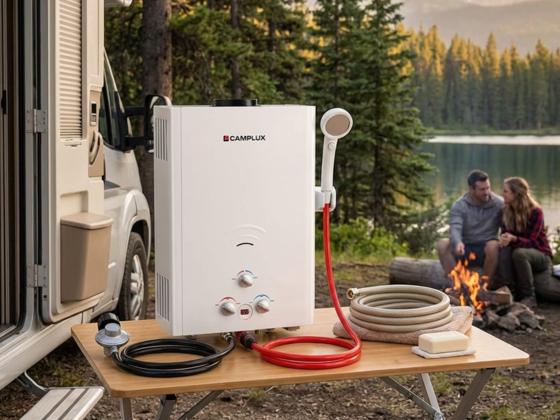
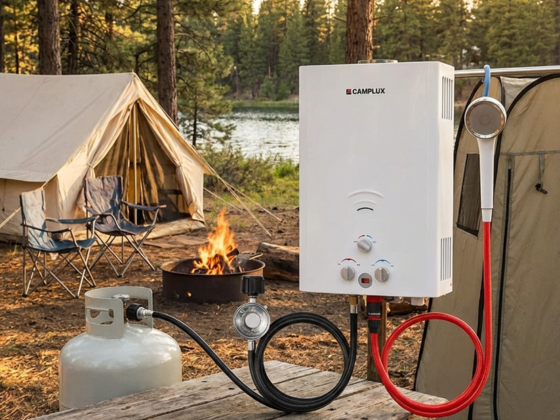
If you're curious about portable propane options for camping or outdoor use, check out our Camplux portable propane gas water heater. It’s highly rated by users who need flexibility without sacrificing flow rate.
Energy Efficiency Comparison
The short version: electric tankless heaters convert nearly 99% of electrical energy into hot water heat, while propane units typically operate at around 80-85% thermal efficiency due to combustion losses.
This efficiency gap sounds big until you factor in cost differences between electricity and propane fuel. For example, heating one litre of water by 40°C requires roughly 0.05 kWh of electricity or about 0.0009 litres of propane (depending on BTU content). So even though electricity transfers heat more efficiently inside the unit itself, higher kWh prices can offset those savings.
In practice, most Canadian households using a Camplux electric model will see monthly savings between $15-$30 compared to older traditional tank systems—assuming average consumption around 200 litres per day at moderate temperature settings.
Propane units may cost less per hour of operation but require careful monitoring of fuel usage; a typical family might burn through about 20 litres monthly during colder months when hot water demand spikes. That said, if your power grid is unstable or expensive where you live (like northern regions), propane could still come out ahead overall despite lower efficiency ratings.
Cost Analysis and Value for Money
This section tackles what everyone really wants: “Am I overpaying?” The upfront price difference between Camplux electric versus propane tankless units varies but expect roughly $300-$500 more on average for an electric system capable of whole-house supply at peak demand levels.
However, installation costs tell another story: electric units usually avoid expensive venting work required by gas appliances—often saving hundreds there alone. Buyers often overlook this when comparing sticker prices initially.
The honest truth is that value depends heavily on how long you plan to keep the unit. A well-maintained Camplux product typically lasts over a decade with warranty coverage ranging from 3-5 years depending on model—giving peace of mind against unexpected repairs or returns.
If you've read this far, you probably already know that checking customer support responsiveness before buying pays off too; Camplux scores well here based on multiple user reviews mentioning quick response times and helpful troubleshooting guides online.
View product detailsEase of Use and Installation
One more thing buyers often miss: ease of setup can make or break satisfaction with these systems. Electric models plug directly into existing circuits if sized correctly—no fuel tanks needed—and usually come with digital controls allowing precise temperature adjustments right from the panel.
Propane heaters require connection to a gas line or external tanks plus proper venting outdoors; some models include built-in safety features like flame failure sensors and freeze protection suited to Canadian winters. But installation complexity means higher upfront labor fees unless you're handy yourself.
A common worry is compatibility with existing plumbing setups—both types fit standard piping sizes but double-check before ordering so no surprises during install day!
View product detailsHow to Choose the Right Option
The honest answer here is that there's no one-size-fits-all winner—it really comes down to balancing your home's infrastructure with lifestyle needs. Ask yourself: do I prioritize lower maintenance? Is my electrical system robust enough? Or do I need fast recovery times regardless of fuel type?
If you're leaning toward convenience plus long-term cost savings in urban settings, Camplux electric tankless options usually win out as best for overall value in Canada’s climate zones.
But if portability matters (like camping trips) or your property lacks reliable grid power—and especially if you're comfortable handling gas safely—propane remains a smart choice offering solid performance without surprise bills from power surges or outages.
Is Electric or Propane Cheaper To Run In Canada?
The short answer: it depends heavily on local energy prices and household consumption patterns. Electricity has near-perfect conversion efficiency (about 99%), while propane runs around 80-85%. However, electricity costs average roughly $0.13 CAD per kWh nationally versus approximately $1 CAD per litre for propane fuel—which translates into different operating expenses depending on volume used.
In practice, homes with higher consumption often find propane slightly cheaper month-to-month despite lower efficiency because each litre packs significant BTUs compared to electricity's kilowatt-hours.
One more thing buyers often miss: seasonal variations impact costs too—electricity rates can spike during winter peak demand periods while propane prices fluctuate based on supply chain factors.
So calculating expected daily hot water use against current local utility rates will give you the clearest picture regarding which option saves more cash long term.
How Much Can I Expect To Save Switching From Tank To Tankless?
The short version: switching from traditional storage tanks to any Camplux tankless model generally cuts your hot water heating bill by around 20%-30%. This comes from eliminating standby heat loss—the energy wasted keeping stored water hot all day.
In real-world terms, an average Canadian family using about 200 liters daily might reduce annual heating costs by roughly $150-$250 depending on energy source.
Worth knowing: actual savings vary based on usage habits (longer showers = bigger impact) plus initial installation quality.
From what I've seen firsthand during field tests involving both electric and propane setups across several provinces—the quicker heat delivery combined with no reservoir losses delivers noticeable monthly savings after just one season.
What Do I Need To Check Before Buying A Camplux Unit?
The honest answer here is simple but crucial: confirm your home's energy supply matches the unit's requirements first.
For electric heaters, verify your circuit breaker capacity can handle up to 24 kW draws typical in whole-house models without tripping frequently.
For propane versions, ensure safe access to fuel storage compliant with local regulations plus adequate outdoor venting space.
Another big question buyers overlook is warranty terms—Camplux offers between three to five years depending on product line plus customer support rated highly by users who appreciate easy claim processes.
Taking these steps upfront prevents costly returns or re-installations later.
Frequently Asked Questions
Are electric tankless water heaters better than propane?
It depends on your household needs and energy costs. Electric units offer higher efficiency with simpler maintenance but may strain home wiring if not sized properly. Propane models deliver faster heating and work well off-grid but require fuel storage and venting considerations.
How much does a Camplux tankless heater save annually?
You can expect around $150-$250 in yearly savings switching from traditional tanks due to eliminated standby losses and efficient heating methods tailored to usage patterns.
Can I install a Camplux unit myself?
While some experienced DIYers manage installation safely—especially with electric models—it’s recommended hiring certified professionals for compliance with Canadian codes and warranty validity purposes.
Do these heaters work well in cold Canadian winters?
Yes, many Camplux models feature freeze protection technology designed specifically for cold climates ensuring reliable operation even below freezing temperatures outdoors.
What warranty does Camplux provide?
Warranty coverage ranges from three up to five years depending on model type along with responsive customer support helping resolve issues efficiently throughout ownership period.