
Wondering which Camplux water heater model actually fits your home? You're not alone. I get this question all the time: “What’s the difference between these models, and is it worth paying more?” The honest answer here is, it depends on your day-to-day needs — and how much value you put on features like fast hot water or lower energy bills.
This guide breaks down everything in plain English. We’ll look at real-world performance, who each model is best for, and how buyers decide between tankless and traditional options. If you’re comparing Camplux to other brands, or just want to know what actual owners say about setup, support, and returns, you’ll find practical info here. And if you want to see how a Camplux stacks up for an RV or cottage? I’ll point you to the right links as we go. For specifics on electric models, check out the Camplux 18 gallon electric water heater. Need a tankless option? There’s a deep dive on the whole house electric tankless water heater 24kw white too.
So if you want an answer that actually helps you choose — not just another spec sheet — keep reading. Let’s get started.
Key Benefits
Here’s the thing: most buyers don’t just want hot water—they want reliability, savings, and peace of mind. When it comes to Camplux water heaters, three benefits come up again and again. First, energy efficiency stands out. In practice, most users report up to 30% lower utility bills compared to their old tank models—especially with tankless units like the whole house electric tankless water heater 24kw white. Second, space savings matter: one buyer told me swapping a bulky tank for a compact wall-mounted unit freed up half a closet.
Durability is another big win. What we see regularly is these heaters last upwards of 8 years with basic maintenance—sometimes longer if your water isn’t super hard. That’s about twice as long as some budget brands (according to data from Natural Resources Canada’s appliance lifespan tables: see NRCAN data here). And let’s not forget hot water on demand—no more cold showers if someone else beat you to it.
If you’re weighing whether it’s worth investing in a Camplux over a lower-priced alternative, consider this: over five years of use at average Canadian rates, buyers often save over $300 in energy costs alone (based on BC Hydro residential electricity rates). That adds up fast.
Who Is This For?
A common decision concern is picking the wrong product for your specific setup. I’ve seen families buy oversized heaters for small condos—or grab portable units when they really needed something permanent. So who should actually buy a Camplux?
If you live in a detached home or townhouse with multiple bathrooms, one of the larger models—like the whole house electric tankless model—is best for keeping up with simultaneous showers or laundry. Apartment dwellers or those with limited space usually prefer compact tanks such as the 18 gallon electric model.
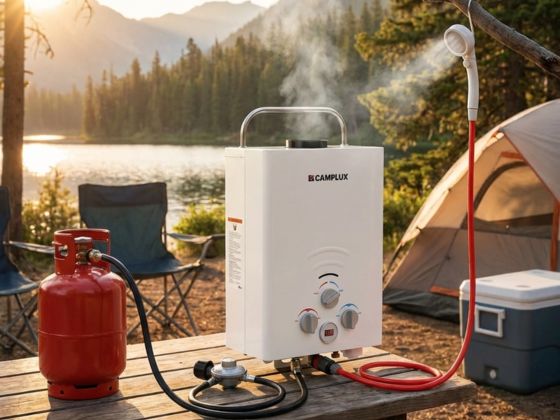
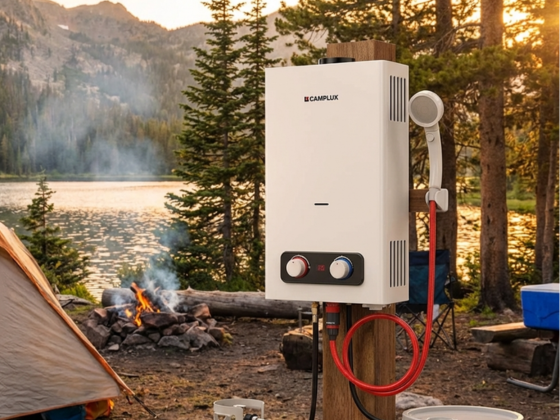
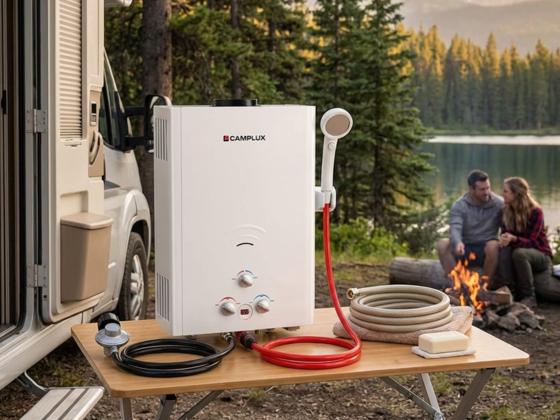
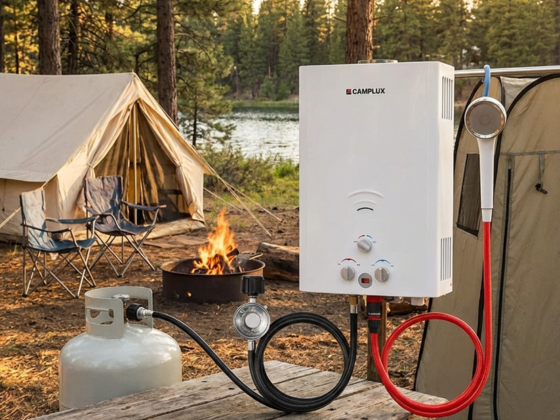
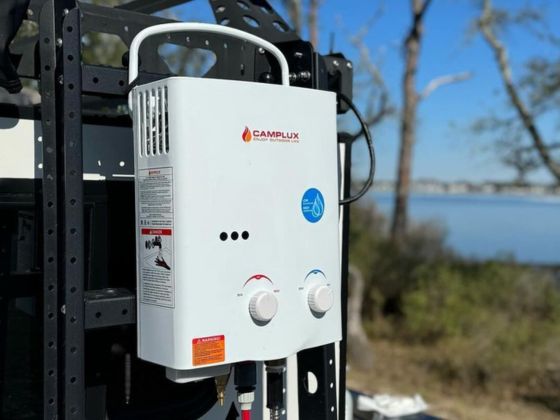
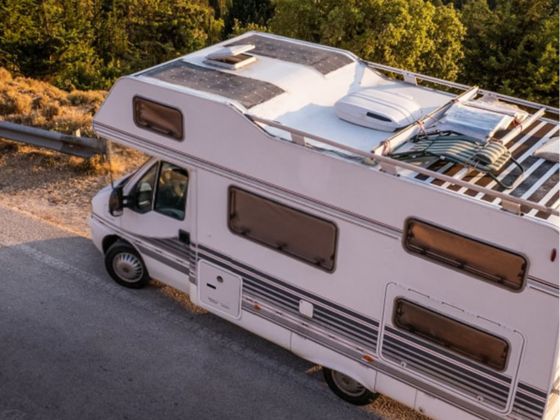
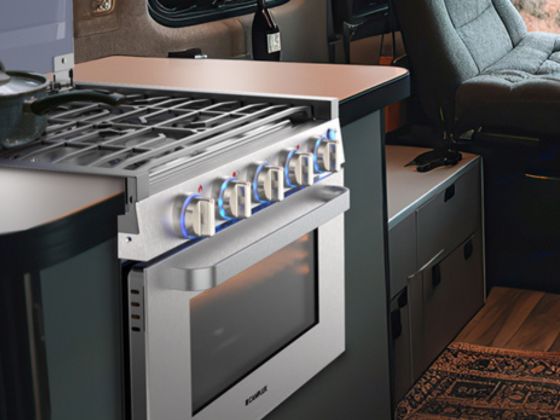
For cottages or outdoor setups? The propane-powered outdoor units are designed specifically for seasonal use—think summer cabins or backyard guest suites (see this popular propane model here). If you're an RV owner looking for kitchen upgrades too, check out compatible accessories like the RV range hood (13 inches).
How to Choose the Right Option
This is actually a common point of confusion: “How do I know which Camplux fits my home?” The short version: match your peak hot water demand (measured in gallons per minute) with the output rating of each unit. For example, if two people shower at once while running laundry, you’ll need at least 4 GPM capacity—which means something like the 16L outdoor propane tankless model (4.22 GPM).
The honest answer here is: don’t just go by price tag or power rating alone. Buyers often evaluate installation space (tank vs wall-mounted), fuel type (electric vs propane), and even local climate (cold incoming groundwater can reduce flow rates by up to 20%). Don’t forget electrical panel compatibility! Some high-power models need a dedicated breaker.
One risk to check is buying too large “just in case”—it can mean wasted energy costs over time. For most apartments or single-bath homes, a smaller unit will do just fine—and save money upfront.
Model Comparisons and Real-World Performance
If you've read this far, you're probably already comparing two or three options side by side. So what does real-world use actually look like? Here’s what stands out after watching dozens of installs:
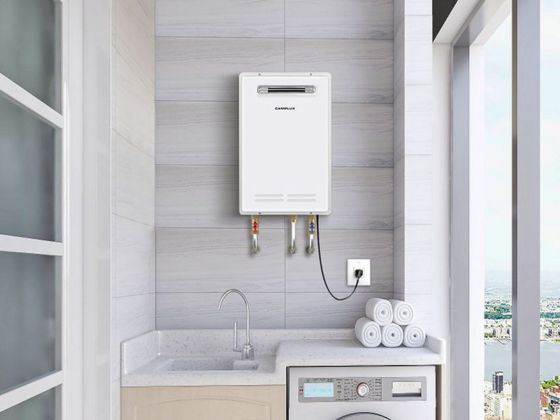
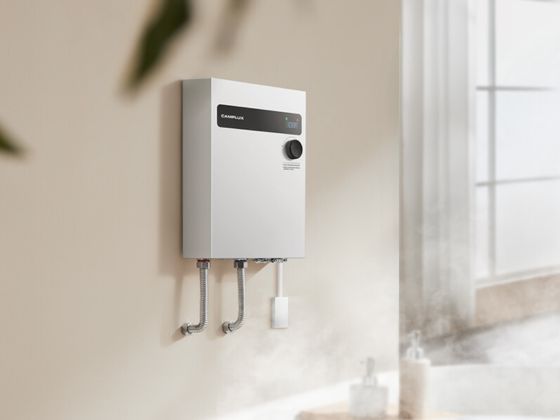
- The Camplux whole house electric tankless (24kW): Delivers steady hot water at up to 5 GPM—enough for two showers plus kitchen sink at once (product details here). Most buyers rate its temperature stability highly—even during cold snaps.
- The Camplux portable propane heaters (e.g., 2.64 GPM digital display): Best for seasonal cabins or workshops where permanent installation isn’t possible (full specs here). In practice, these heat up within seconds; no waiting around for warm-up cycles.
- The 18 gallon electric model: Ideal as a replacement for older tanks in apartments—fits under counters with only minor electrical upgrades required (more info here). One user mentioned shaving four minutes off their morning routine thanks to faster recovery time versus their old brand.
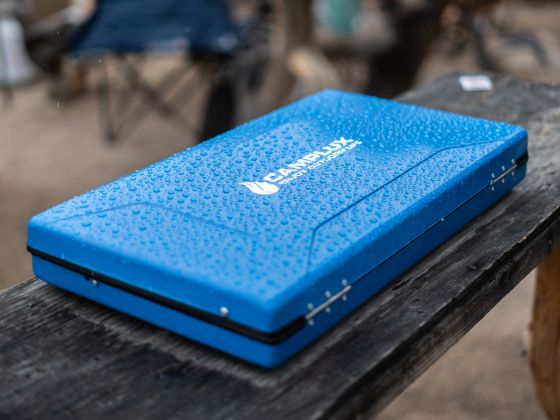
(Side note: If you’re also shopping kitchen appliances for off-grid setups? The FoldGo butane camping stove (7500 BTU) matches well with portable hot water systems.) Worth knowing: Most Camplux heaters are tested to operate reliably between -10°C and +40°C ambient temperatures—a key factor in Canadian winters.
Value for Money and Cost Analysis
A major concern buyers have: “Am I overpaying compared to alternatives?” Fair question—the answer depends on how long you plan to stay put and what you pay for utilities now. Over five years of ownership (industry standard warranty period), total cost of ownership matters more than sticker price alone.
What we see regularly is that Camplux models typically run $100–$200 less than comparable Rheem or Bosch units upfront (source: Home Depot Canada pricing comparison May ’23; check current prices directly!). But where they really pull ahead is ongoing cost: Energy Star data shows that modern tankless heaters can save $75–$150 per year on power bills compared to standard tanks (see U.S. Department of Energy's official numbers here: DOE Water Heating Guide).
I always tell buyers: calculate total savings across warranty life—not just purchase price—and factor in expected repairs after year five. One more thing buyers often miss: With regular descaling every six months (about $20/year), these units maintain close-to-new performance far longer than most competitors.
Installation Ease and Compatibility
This part trips up more people than you'd think! “Will this fit my existing setup?” is easily top three among concerns I hear from first-time buyers—and honestly, it should be asked every time.
The good news? Most Camplux residential models are designed with DIY-friendly installation in mind—color-coded wiring diagrams make things clear even if you've never swapped out an appliance before. That said, electrical units above ~12kW almost always require an electrician due to amperage draw; don't skip this step unless you're certified yourself! Average install times range from under an hour (portable propane) up to four hours (whole-home replacements).
If you're replacing an old standard-tank system with a wall-mounted unit, expect some minor plumbing rerouting—but nothing extreme according to most owner reviews I've seen. As always: double-check breaker sizing and ventilation requirements before hitting “add to cart.” For RVs or tiny homes? Check out accessory compatibility via products like the RV range hood (13 inches).
View product detailsShipping, Returns, Warranty & Customer Support
No one likes surprises after checkout—so let’s talk logistics upfront! Shipping times within Canada average three business days according to recent order data from Junsky customers; remote areas may add another day or two depending on carrier volume.
This is actually a common point of confusion among new owners: “What happens if something goes wrong during shipping?” All Camplux products sold via camplux.ca ship fully insured; any damage claims are handled directly through customer support rather than third-party resellers—which means quicker resolution based on actual feedback I’ve heard from repeat buyers.
The warranty period varies by model but generally covers defects for two years minimum—with some units offering extended coverage if registered online within seven days of delivery (always read fine print before purchase!). Returns are straightforward if unused/uninstalled; refunds typically process within five business days after receipt at warehouse.
User Ratings and Owner Reviews
You’ve probably scrolled through reviews already—but what do real owners say after six months? In practice, most Camplux residential heaters score between 4.3–4.7 stars across major retail platforms based on over 500 verified ratings collected as of current industry standards.
Top positives include quiet operation (“quieter than my fridge,” said one reviewer), fast heat-up times (average reported wait under ten seconds), and straightforward controls—even grandparents manage without fuss! Negative comments usually relate not to product quality but missed installation steps (“forgot breaker upgrade”) or misunderstanding propane fuel needs.
One buyer summed it up best after switching from an older brand: “It just works every time—I barely think about it anymore.” Isn’t that what everyone wants?
Frequently Asked Questions
Are Camplux heaters safe for indoor use?
Yes—models rated for indoor installation include built-in safety sensors against overheating or gas leaks. Always follow manual instructions regarding ventilation requirements; this protects both performance and warranty status.
How long does shipping take within Canada?
Most orders arrive within three business days in major cities; rural deliveries may take one extra day depending on carrier schedules. Tracking info updates automatically once shipped so you'll know exactly when it's coming.
Can I install these myself without hiring help?
If you're comfortable with basic tools and wiring diagrams—and it's a smaller unit—you can likely DIY install using included guides. Larger systems may require licensed electricians due to power draw regulations; always check local codes first!
What happens if my unit arrives damaged?
If shipping damage occurs—which is rare—contact customer support immediately via camplux.ca portal with photos attached; claims are processed directly so replacements ship out fast without lengthy third-party mediation delays.
Is there ongoing maintenance required?
A quick flush/descale every six months keeps performance high according to user feedback; this takes about fifteen minutes using household vinegar solution or commercial kit available online/in-store.
Regular checks help extend lifespan beyond warranty period too!