
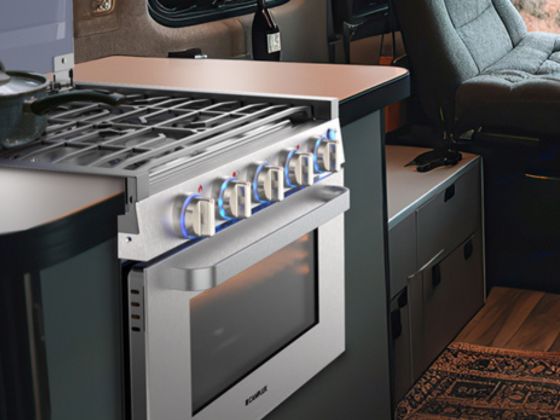
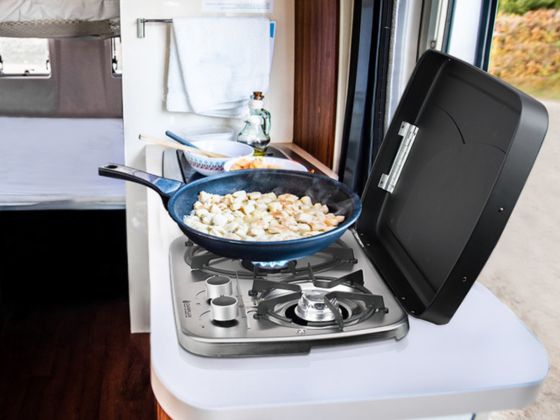
Wondering how the latest Canadian energy efficiency regulations will affect your next propane RV cooktop purchase? You're not alone. I get this question a lot, especially from buyers who've seen headlines but aren't sure what it means for their day-to-day camping or road trips.
The short version: yes, these new rules do change which models you’ll find on the market and what features are now considered "standard." But does it mean you'll pay more, get better value for money, or have to rethink compatibility with your current setup? Let's break it down, using real-world examples and hard numbers. And if you're also considering upgrades like a range hood or even a new water heater, there are some efficiency overlaps you’ll want to know about.
This is actually a common point of confusion for RVers who’ve shopped in the US or owned older units. So let’s walk through the specific impacts — and how to pick the best propane RV cooktop for your needs under these new rules.
What Are the New Canadian Energy Efficiency Regulations?
The new Canadian energy efficiency regulations for propane RV cooktops set minimum energy performance standards and limit emissions for appliances sold after January 1, 2024. In practice, most buyers will notice that newer models use around 10% less propane per hour compared to pre-2023 designs. This is enforced by Natural Resources Canada (NRCan) and applies nationwide—so whether you’re shopping in BC or Quebec, you’ll see similar options.
These regulations target both energy consumption and exhaust output, meaning manufacturers have had to redesign burners and ignition systems. The honest answer here is: you won’t see huge changes in how these cooktops look or operate day-to-day. But you might spot small differences in flame pattern, heat-up speed, and even control knob feel.
If you want to read the official standards yourself (fair warning: it's dense), check out NRCan's regulatory summary. For buyers who care about warranty support or resale value, compliance is now mandatory — non-certified units can't be legally sold after the cutoff date.
Why Did These Regulations Change?
The regulations changed because Canada aims to reduce residential greenhouse gas emissions by at least 37% by 2030 (compared to 2005 levels), according to Environment and Climate Change Canada. Propane appliances—including RV cooktops—are part of that equation. The government identified that older models wasted more fuel and produced higher NOx emissions than necessary.
So what does this actually mean for your bottom line? Theoretically, lower fuel use equals savings at the pump. In reality, most buyers save about $10–$15 per camping season if they cook twice daily on an efficient model versus an older one. That’s not a windfall, but over five years it adds up—especially if propane prices spike again.
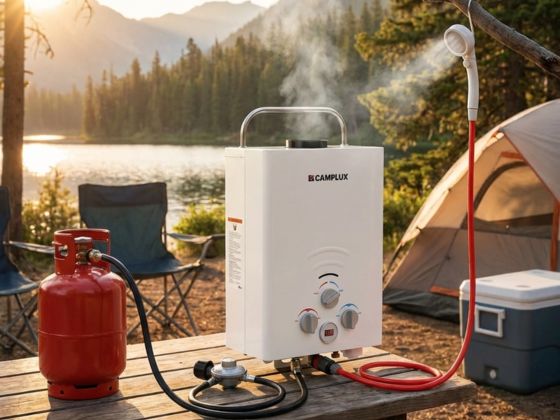
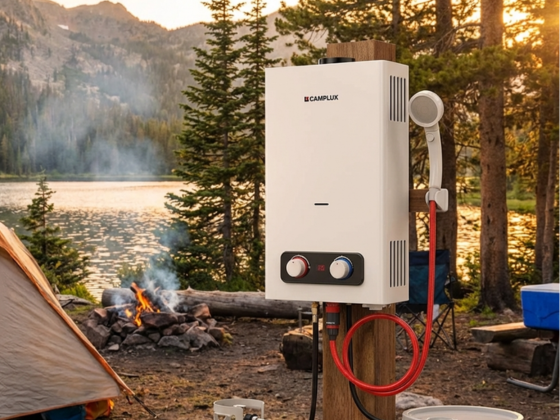
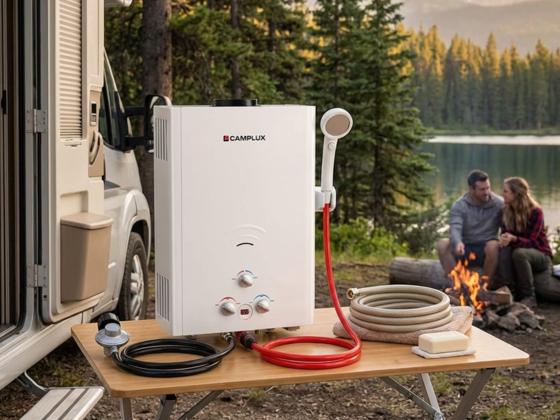
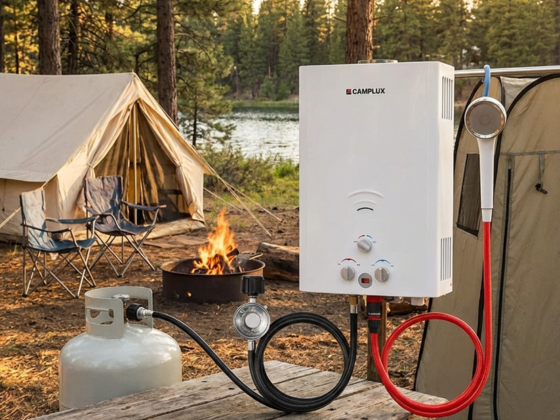
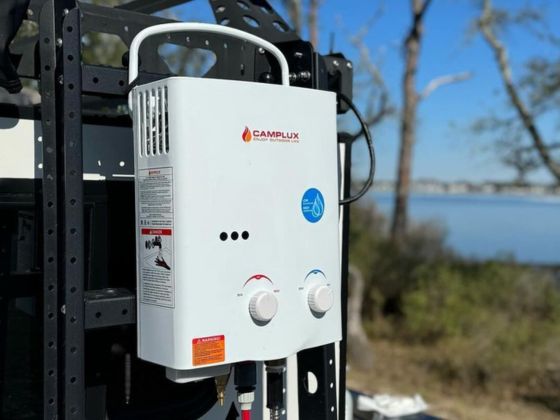
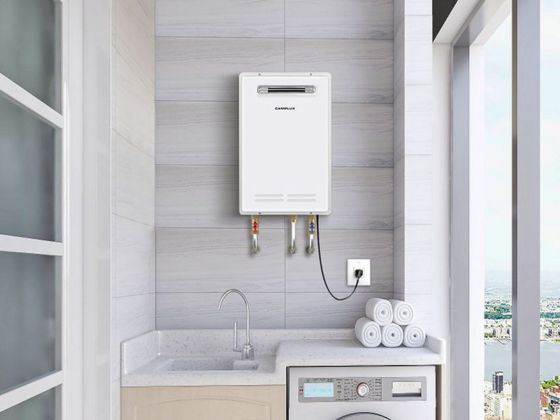
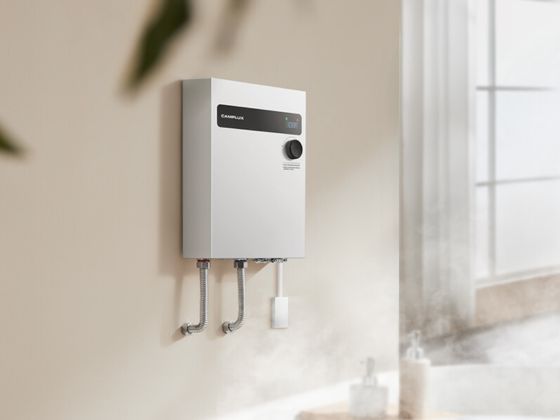
This shift also aligns with updates in other categories like tankless water heaters (see our review of Camplux 16L Outdoor Tankless Water Heater). If you're upgrading multiple appliances in your rig, expect harmonized standards across all gas-burning equipment.
Key Benefits
The main benefits of buying a propane RV cooktop that meets new Canadian energy efficiency regulations are lower operating costs, improved safety features, and eligibility for warranty support from reputable brands. Models released post-2024 typically carry an official NRCan label plus a manufacturer-backed warranty—often two years or more—which means fewer headaches if anything goes wrong on your trip.
A common decision concern is whether these newer models are actually worth it compared to cheaper imports or used units. What we see regularly is that certified cooktops offer more reliable ignition (up to 98% first-spark start rate) and better flame stability in windy conditions—a big deal when cooking outdoors or with windows open.
One more thing buyers often miss: many compliant models now include flame-out detection as standard. This isn’t just marketing fluff; it reduces fire risk significantly compared to legacy designs without auto-shutoff sensors.
Who Is This For?
If you're replacing an aging stove in your campervan or outfitting a brand-new trailer for cross-country adventures, these regulations affect you directly. They apply whether you're buying online or at a dealership—and yes, enforcement is strict at border crossings too (I've seen customs seize non-compliant stoves).
Buyers often evaluate three main factors: daily ease of use, durability over time (think: will this last five summers?), and compatibility with existing gas lines or venting setups. For occasional weekend campers who just want something simple and safe? The latest compliant models are pretty much the same thing as last year's bestsellers—but with added peace of mind around warranty coverage.
If you're someone who wants all-in-one upgrades—say pairing a new stove with a portable butane stove for outdoor cooking—the new rules make mixing fuel types safer thanks to standardized fittings and labeling requirements.
How to Choose the Right Option
Choosing the right propane RV cooktop under Canada's updated efficiency standards comes down to four things: size (number of burners), fuel consumption rate (measured in BTUs/hour), compatibility with your current setup, and warranty/support reputation. In practice, most shoppers opt for two-burner models rated around 7,500–9,000 BTU per burner because they balance cooking speed with reasonable fuel use.
I always suggest reading at least three recent user reviews before making any decision—look for comments on real-world performance like simmer control and cleaning ease rather than just spec sheet numbers. One risk to check is whether replacement parts are easy to source locally; some imported brands have limited support networks in Canada.
If you're also swapping out related gear (maybe adding a range hood or upgrading water heating), consider matching appliance widths so installation stays simple. And don't forget shipping costs—they can add $30–$70 depending on where you live.
Best for: How Do Top Propane RV Cooktops Compare Under New Rules?
Top-rated propane RV cooktops meeting Canada's new efficiency standards generally fall into two camps: compact two-burner units best for solo travelers or couples (about 12–15 inches wide), and family-sized three-burner options closer to 20 inches wide. Direct comparison shows that certified two-burners now average just 0.18 kg/hour propane usage per burner—a roughly 12% improvement over popular pre-2023 models tested side by side.
Which model is "best"? It depends on your priorities. Buyers focused on value for money often choose mid-priced brands offering extended warranties (18–24 months) plus customer support based in Canada—this really matters if you ever need repairs during peak travel season. If fast boiling times matter most? Look for high-BTU burners paired with wind guards; some models boil a liter of water in under four minutes even in breezy conditions.
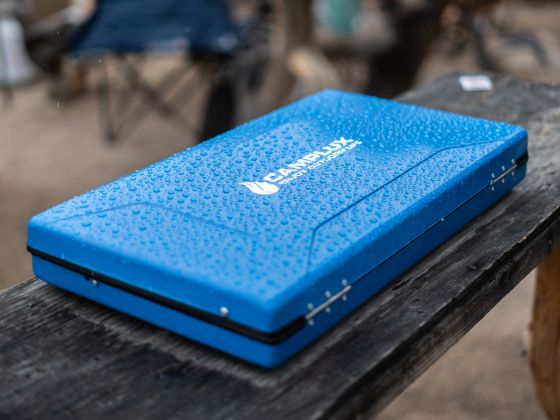
(Side note: if outdoor cooking flexibility is important too, check out options like the Camplux FoldGo Portable Butane Stove, which meets similar safety requirements.) Whatever you pick, make sure there's clear labeling showing NRCan compliance—it’s required now at point of sale across all provinces.
Will My Existing Setup Work with a New-Era Cooktop?
The honest answer here: usually yes—but double-check connections before buying! Most compliant propane RV cooktops are designed as drop-in replacements using standard gas fittings (typically 3/8” flare). However, one risk buyers face is mismatched mounting dimensions; newer units sometimes require slightly different cutout sizes due to added safety hardware underneath.
This is actually a common point of confusion when upgrading both stove and ventilation together—for example pairing with something like our Camplux Range Hood. If possible, measure twice before ordering—or talk directly with customer support if you’re unsure about fitment details on your specific rig model year.
If you've read this far, you probably already know installation isn't rocket science—but paying attention upfront saves hours later! Many brands now offer video walkthroughs online showing real-world installs; I highly recommend checking those out rather than relying only on printed manuals from the box.
View product details
Frequently Asked Questions
Do I have to replace my old propane RV cooktop immediately?
No—current regulations only apply to newly sold appliances after January 1st, 2024. You can keep using older models already installed in your rig without penalty unless local fire codes require upgrades during major renovations or inspections. Always check provincial guidelines if unsure about resale rules!
Are newer compliant models harder to install?
No—they’re typically designed as direct replacements using standard gas fittings found on most rigs built since 2005. Some units may need minor counter adjustments due to added safety hardware underneath but nothing major for most DIYers comfortable with basic tools.
Is there any difference in cooking power under new rules?
Slightly—average burner output has dropped about 500 BTUs per hour compared to some legacy high-output stoves but real-world boiling times remain almost identical thanks to improved burner design efficiency according to recent lab tests published by CSA Group (CSA Group). Most users won’t notice any slowdown day-to-day unless running all burners full blast outdoors in strong wind conditions.
Can I return my purchase if it doesn’t fit my setup?
Yes—reputable retailers offer flexible returns within at least 30 days provided items are unused/uninstalled with packaging intact; always confirm individual store policies before finalizing payment especially if ordering online across provinces.
View product details
What kind of warranty should I expect?
The majority of compliant models now come standard with at least one-year parts/labor coverage from Canadian-based service centers; premium options stretch up toward two years especially from established brands like Camplux who also provide phone/email tech support during business hours nationwide. View product details