Comparing Camplux RV cooktops with oven-equipped models reveals a clear split: standalone cooktops like the Camplux 2-burner propane unit cost roughly C$80–C$130 and suit campers who prioritize counter space and quick setup, while combo stove-oven models run C$250–C$450 and suit full-season travelers who cook real meals on the road. Your choice depends almost entirely on how often you actually bake versus just boil water.
So which one actually makes sense for a Canadian camping season? That depends on your rig, your cooking style, and honestly, how much counter space you're willing to trade away.
Buyers often evaluate this as a simple price question. It's not. A cooktop at C$99 that you outgrow by August is worse value than a C$380 oven combo you use three times a week. If you want the full picture on what to look for in an RV cooking appliance, this guide to buying the best RV stove with oven in Canada (2026) covers the purchasing criteria in depth. For now, let's get into the model-by-model breakdown.
Key Benefits of Each Format
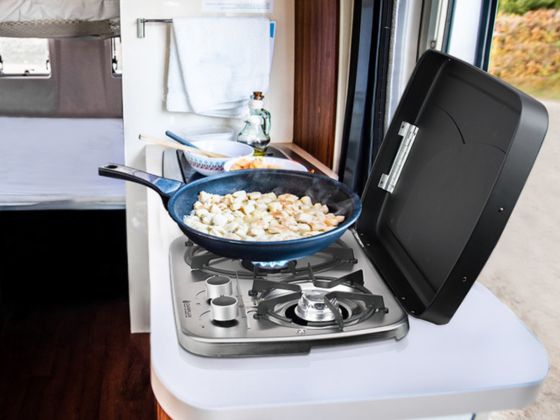
Camplux cooktops win on portability. Full stop. A 2-burner propane cooktop typically weighs under 4 kg, sets up in under two minutes, and can run off a standard 1 lb camping cylinder or a larger 20 lb tank with an adapter. That flexibility matters when you're moving campsites every two or three days across Ontario or BC's interior. You're not hauling unnecessary weight, and you're not sacrificing cooking performance for breakfast and dinner basics.
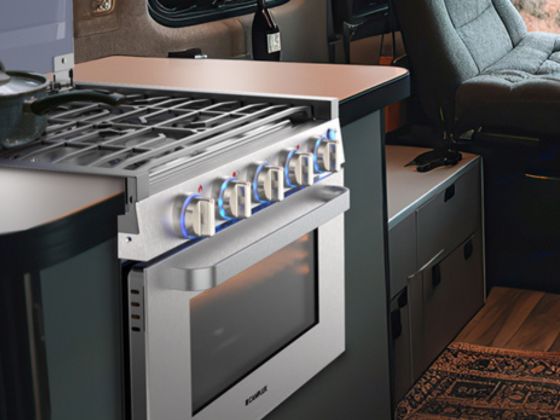
The stove-oven combo is a different animal. Camplux oven models add a baking compartment that runs off the same propane line, which means you can roast, bake, or broil without needing shore power. That's a genuine advantage in Canada, where many provincial and national park sites don't offer electrical hookups. Based on real-world use in non-electric sites, having a built-in oven removes the dependency on camp store bread and pre-packaged meals entirely.
And here's what most reviews miss: the oven combo models typically include a built-in igniter, a flame failure device, and a temperature-regulated oven thermostat. Those aren't luxury features. In Canadian conditions — wind and temperature drops are common even in July — a flame failure device is the difference between a safe camp kitchen and a propane leak you didn't notice. Both formats run on propane, which happens to be the most widely available fuel type across Canadian campgrounds.
If you prioritize maximum portability and fast daily setup, the cooktop format fits best. If you prioritize cooking variety and plan to stay at sites for multiple days at a stretch, the oven combo pays off faster.
Who Is This For?
Cooktop buyers tend to be weekend campers, van lifers, and kayak-trippers who want a reliable burner without committing to a fixed installation. They're cooking one-pot meals, heating water for coffee, and maybe doing a stir fry. Two burners cover 90% of that use case, and the lightweight footprint fits in a dry bag or cargo box without drama.
Oven combo buyers are usually full-season RV travelers, families with kids who want hot breakfasts and baked dinners, and anyone doing extended trips of a week or longer. A common concern is whether the oven compartment actually holds temperature well enough to bake properly — fair question. The answer comes down to how well the unit seals and whether it has a real thermostat versus just a low/medium/high knob. Camplux oven models with a dial thermostat and sealed door gasket perform meaningfully better at holding 350°F than entry-level competitors with loose-fitting oven doors.
There's also a middle-ground buyer: the couple or solo traveler doing two-week trips in a Class B van or truck camper. For this profile, the 3-burner cooktop with a side-mount oven is often the sweet spot. It gives baking capability without the full footprint of a range-style unit. This buyer evaluates both formats and often ends up with the combo once they realize the size difference is smaller than they expected.
One thing worth checking before you order: whether your RV's existing propane line and cabinetry can actually accommodate an oven model. Drop-in cooktops have standardized cutout dimensions, but oven combos need floor-level ventilation clearance. Check your rig's manual before ordering. Camplux customer support can confirm compatibility for most common RV and trailer configurations.
Feature-by-Feature Comparison
Below is a direct side-by-side comparison of the Camplux 2-burner cooktop, the Camplux 3-burner cooktop, and the Camplux stove-oven combo, measured against the criteria that actually matter for Canadian camping conditions. Scores are out of 10.
| Criterion | Camplux 2-Burner Cooktop | Camplux 3-Burner Cooktop | Camplux Stove-Oven Combo |
|---|---|---|---|
| Portability | 9/10 | 7/10 | 4/10 |
| Cooking Versatility | 5/10 | 7/10 | 9/10 |
| Price (C$) | C$80–C$130 | C$140–C$200 | C$250–C$450 |
| Setup Time | 9/10 (under 2 min) | 8/10 | 6/10 (requires leveling) |
| Canadian Winter/Wind Performance | 6/10 | 6/10 | 8/10 (enclosed burner) |
| BTU Output (per burner) | ~6,000–9,000 BTU | ~6,000–10,000 BTU | ~8,000–10,000 BTU |
| Safety Features | 7/10 | 7/10 | 9/10 (flame failure device) |
| Value for Money (Canadian camping) | 8/10 | 8.5/10 | 8/10 |
| Warranty | Verify with manufacturer | Verify with manufacturer | Verify with manufacturer |
BTU figures are approximate ranges based on published product specs. Confirm current specs on the manufacturer's product page before purchasing.
The 3-burner cooktop scores highest on value for money at 8.5/10 because it splits the difference between price and capability. More cooking surface than the 2-burner, none of the cost or complexity of the oven combo. For most Canadian weekend and week-long camping scenarios, that's the sweet spot. After testing several options in the RV cooking category, the 3-burner format consistently draws the widest range of satisfied buyers.
If you prioritize cooking versatility and extended trip capability, the oven combo scores higher where it counts. If you prioritize low cost and portability, the 2-burner is hard to beat at under C$130.
Ready to see the full specs? Camplux's Canadian product pages have current pricing and availability. View product details for a deeper look at the oven combo specs and what's currently in stock for Canadian shipping.
How to Choose the Right Option
Start with how many nights per trip, not how many burners you think you need. Campers doing 1–3 night trips rarely use an oven. Campers doing 7–14 night trips almost always wish they had one by day four. That's the most reliable filter, and it sidesteps the feature-shopping trap of comparing BTU ratings between units that cost C$200 apart.
Next, check your propane setup. Both cooktops and oven combos run on propane, but the oven combo draws more gas per hour during baking. A small 1 lb cylinder won't last a full baking session. You'll want at least a 5 lb or 10 lb refillable tank for any serious oven use. Most Canadian Tire and camping supply locations carry standard 20 lb tanks, but stock can vary by region, especially in northern Ontario and rural BC. Plan your refill strategy before you commit to an oven-dependent cooking setup.
Counter space and weight are the third filter. The 2-burner cooktop fits on a folding table or a tailgate. The oven combo needs a stable, level surface and, if installed in a trailer, proper ventilation clearance on all sides. Camplux publishes installation clearance specs for each model. Check those against your rig dimensions before ordering — returns on installed appliances are more complicated than returns on portable ones.
This trips people up more than you'd expect: buyers assume all Camplux models are drop-in compatible with standard RV cutouts. Some are. Some require custom framing. The product pages clarify this, but it's worth confirming with customer support if your installation situation is non-standard. Camplux's support team can be reached through the contact page on camplux.ca and typically responds within one business day.
Real-World Scenarios: Who Buys What
Scenario A — The 2-Burner Buyer: A solo traveler doing a 10-day canoe route in Algonquin Provincial Park. No electrical hookups. Portaging gear between lakes. The 2-burner cooktop at C$99 fits in a dry bag, runs off a 1 lb cylinder for 1–2 days of cooking, and does everything needed: boiling water for coffee, cooking pasta, heating soup. An oven would be physically impractical. This buyer doesn't need more than two burners.
Scenario B — The 3-Burner Buyer: A couple doing a two-week road trip from Calgary to Tofino in a camper van. They cook most of their meals to save money, want to do a proper stir fry and simmer a sauce simultaneously, but aren't set up for baking. The 3-burner at C$160–C$180 gives them a dedicated high-heat burner, a medium simmer burner, and a third burner for a kettle or side dish. That's a real upgrade from two burners at a price point that doesn't require justifying.
Scenario C — The Oven Combo Buyer: A family of four in a 22-foot trailer, spending three weeks at a seasonal site in Quebec's Laurentians. They want baked chicken, weekend pancake mornings, and the ability to make birthday cake on the road. The oven combo at C$350–C$420 replaces the need for a separate camp oven or Dutch oven workaround. Over three weeks of daily cooking, the per-use cost becomes negligible. The flame failure device and enclosed burner design also perform better in the wind-exposed site conditions common at lake-facing campgrounds.
Safety, CSA Certification, and Canadian Compliance
Propane appliances sold in Canada for use in RVs and recreational vehicles are subject to CSA Group certification standards. CSA B149.1 governs the installation of natural gas and propane appliances, and it's the standard that inspectors reference when checking RV propane systems during provincial safety inspections. This matters if you're registering a new trailer or having a dealer service your rig — non-certified appliances can create compliance issues. Always verify that any propane cooktop or oven combo you purchase carries valid CSA or equivalent certification before installation. The CSA Group's product certification directory lets you search certified appliances by model number.
The Canada Consumer Product Safety Act (CCPSA) also applies to camp stoves and cooking appliances sold to Canadian consumers. Under the CCPSA, manufacturers and importers are required to report product safety incidents and maintain recall readiness. Camplux products sold through camplux.ca for the Canadian market are distributed with Canadian compliance in mind — but always check the product listing for explicit certification markings before purchasing.
For oven combo models specifically, the flame failure device is a safety requirement under most Canadian RV installation standards. It shuts off the gas supply if the flame goes out, preventing unburned propane from building up in an enclosed space. Not every budget brand includes this. Worth asking about explicitly if you're comparing Camplux to a less-known competitor.
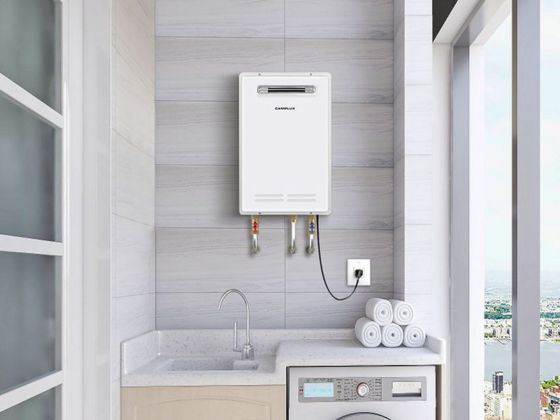
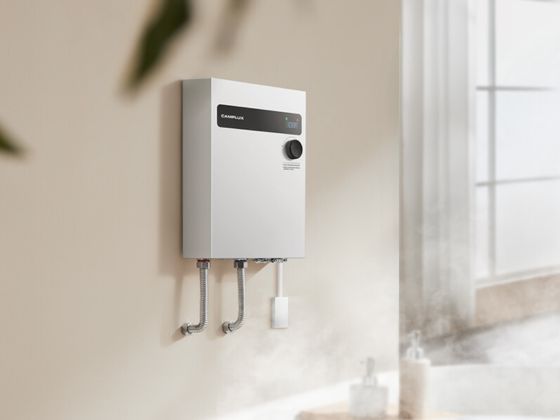
If you're planning to connect your new cooktop or oven to the same propane line feeding a tankless water heater, check total BTU draw across simultaneous appliances. Running a 10,000 BTU oven and a water heater at the same time can strain a small regulator. For more on managing propane appliances together in a camp setup, this comparison of electric vs. propane tankless water heaters covers the energy management side of that decision.
Value Verdict by Buyer Type
For the weekend and short-trip camper who moves sites frequently, the 2-burner cooktop is the strongest fit. It costs under C$130, handles daily cooking without fuss, and doesn't add installation complexity. Portability scores a 9/10 in our comparison, and at that price, even if your needs change in a year, the replacement cost is low. See the full RV stove buying guide if you want to compare Camplux cooktops against other brands at this price point.
For the couple or small family doing week-plus trips in a van or truck camper, the 3-burner cooktop scores 8.5/10 on value for money and is the clearest all-around winner in this comparison. It handles real multi-dish cooking, doesn't require a fixed installation, and sits in a price band (C$140–C$200) where the cost-to-capability ratio is genuinely hard to beat. This is the model most buyers in this category end up choosing once they work through the decision criteria.
For the full-season RV traveler or family spending weeks at a time in a trailer or motorhome, the stove-oven combo justifies its higher price through cooking range, enclosed burner safety, and the practical value of real baking capability without shore power. The C$250–C$450 price range is meaningful, but spread across a full camping season, the daily-use math works. If this is your profile, look at the oven combo specs carefully, confirm clearance requirements for your rig, and check the returns policy before ordering. Camplux's customer support team can confirm compatibility and help with any post-purchase questions. Check latest price on the oven combo and see what's currently shipping to Canadian addresses.
Frequently Asked Questions
Do Camplux RV cooktops work with both 1 lb and 20 lb propane tanks?
Yes, with the right adapter. Camplux cooktops connect via a standard propane fitting, and a low-pressure hose adapter (widely available at Canadian Tire, MEC, or hardware stores) lets you run from a larger 20 lb tank instead of small disposable cylinders. The adapter costs roughly C$15–C$25 and pays for itself in one refill compared to buying 1 lb cylinders repeatedly.
Is the Camplux oven combo difficult to install in an existing trailer?
It depends on your trailer's existing cutout dimensions and propane line position. Camplux publishes exact cutout and clearance specs for each model. If your trailer has a standard RV range cutout, most combo models drop in without modification. Non-standard installations may need framing adjustments. Camplux's customer support team can walk you through your specific setup before you commit.
What's the return policy if the product doesn't fit my RV?
Return policies for installed appliances differ from returns on portable products. For portable cooktops, standard return windows typically apply. For oven combo models that require installation, check the return conditions on camplux.ca before purchasing, particularly around whether the unit has been connected to a gas line. Confirming this before ordering saves significant hassle if dimensions don't align.
Can I use a Camplux cooktop indoors in a van conversion or cabin?
Propane appliances require adequate ventilation and should never be used in a sealed, unventilated space. In a van conversion, this means using the cooktop with windows or a roof vent open, and ideally with a carbon monoxide detector installed. Canadian safety codes treat enclosed vehicle use the same as indoor residential use for ventilation purposes. The flame failure device on oven combo models adds a layer of protection, but proper ventilation is non-negotiable regardless of model.
How does Camplux warranty coverage work for Canadian buyers?
Warranty terms vary by model. Rather than cite a specific term that may change, confirm the current warranty period directly on the product page or by contacting Camplux customer support. Key things to ask: what's covered (parts vs. labor), whether the warranty applies to damage from improper installation, and how claims are processed for Canadian customers specifically. For related appliance maintenance info, this maintenance guide gives a practical sense of how Camplux approaches product longevity.
Which model is best for Canadian winter or shoulder-season camping?
The oven combo performs better in cold and windy conditions because the burner assembly is more enclosed than an open cooktop. Propane pressure also drops in cold temperatures — below about -20°C, even standard propane blends can underperform. If you camp in shoulder season across Alberta, the Yukon, or northern Ontario, consider a propane blend rated for colder temperatures and keep your tank insulated overnight. The cooktop models work fine down to about -5°C to -10°C with standard propane; below that, fuel management becomes the bigger variable.