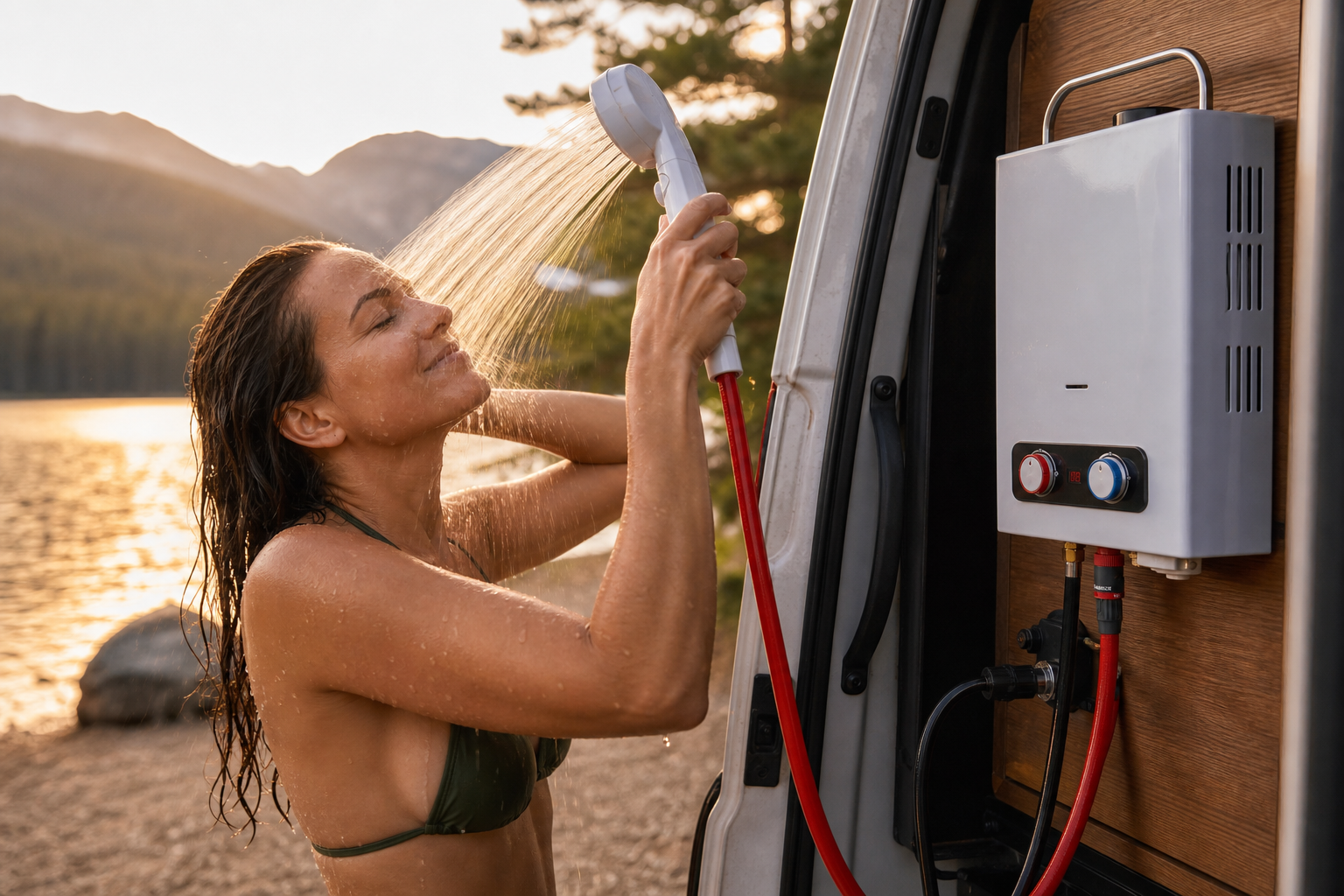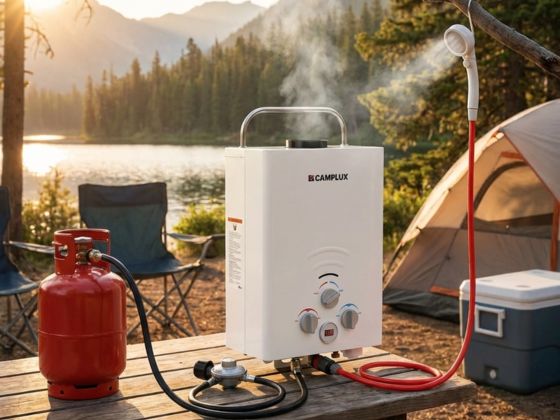
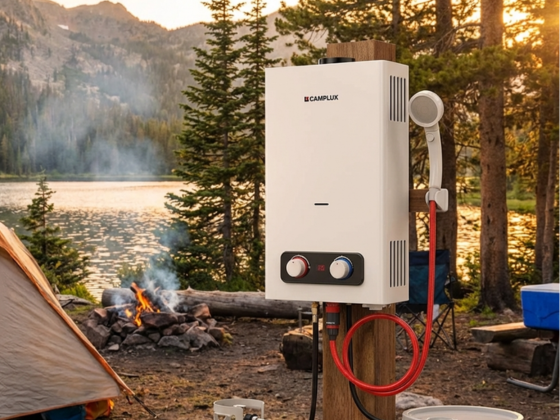
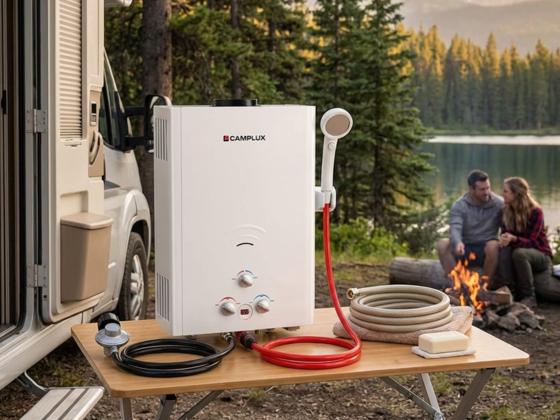
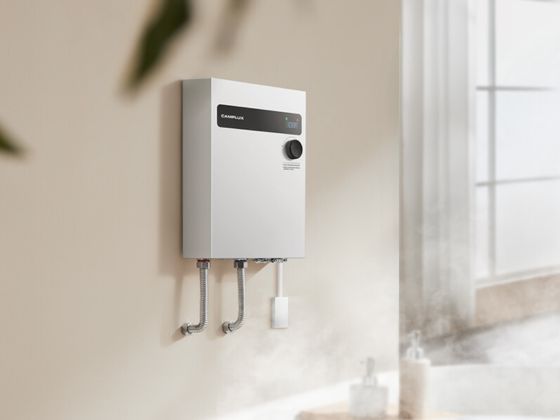

Camplux and Onsen are two of the most frequently compared portable water heaters for Canadian campers and outdoor users. Camplux generally offers broader model availability, stronger Canadian retail presence, and CSA-recognized safety features at competitive price points. Onsen appeals to buyers who prioritize premium aesthetics and a focused product lineup. Which one fits your situation depends heavily on how and where you plan to use it.
So you've already read a few generic roundups and they all say pretty much the same thing. You want to know which unit actually holds up at a Quebec campsite in May when morning temps are still hovering near 5°C, or whether the Onsen's price premium translates into anything you'll actually feel at the showerhead.
Fair question. Both brands have real merit, and the answer depends on your specific setup, water pressure situation, and how often you're actually going to use the thing. If you're also weighing fuel and setup costs, the Hidden Costs Of Portable Water Heaters Canada breakdown is worth reading before you decide.
This comparison covers performance specs, safety certifications relevant to Canadian buyers, real-world use cases, and value for money, so you can make a call with confidence rather than guesswork.
Key Benefits of Each Brand
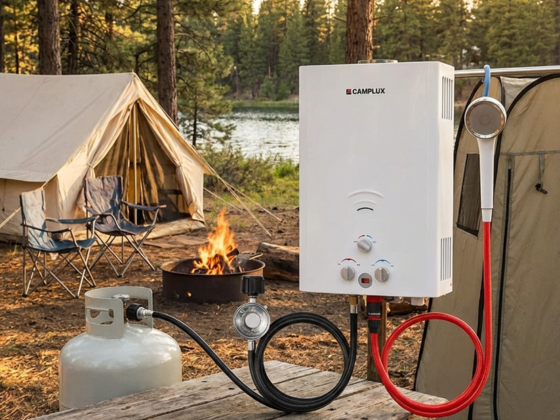
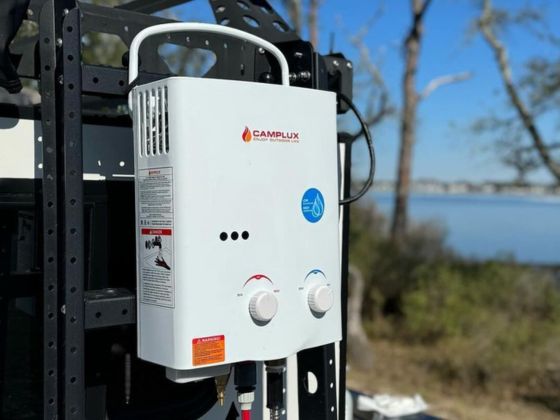
Camplux has built its reputation on accessible, reliable propane tankless heaters that work out of the box without a complicated setup. The product line covers everything from compact 1.32 GPM units designed for outdoor showers to higher-output 2.64 GPM models that can handle a sink and shower simultaneously. That range matters for Canadian buyers who need one unit to pull double duty at a campsite and a seasonal cabin. If you're comparing across the full Camplux lineup, the Best Portable Propane Water Heaters For Camping Canada 2026 guide breaks down each model's strengths by use case.
Onsen, based in British Columbia, focuses on a tighter product range with a strong emphasis on build quality and brand identity. Their units tend to attract buyers who want something that looks and feels premium, and they've cultivated a loyal following among overlanders and van lifers who treat aesthetics as a real criterion. That's a legitimate priority. Their customer service reputation in Canada is generally solid, with responsive support and clear warranty communication.
Camplux wins on depth of selection and price accessibility. Onsen wins on brand cohesion and, for some buyers, the satisfaction of purchasing from a Canadian-based company. Neither advantage is trivial, but they serve different buyers. After testing several options across the portable propane heater category, the performance gap between mid-range Camplux models and comparable Onsen units is narrower than the price difference suggests.
Both brands offer ignition systems that don't require an electrical outlet, which matters enormously if you're off-grid. Both run on standard 1 lb propane canisters or connect to larger tanks via adapter hose. But Camplux models typically include the adapter hose in the box, while Onsen buyers often purchase it separately — which affects the real out-of-pocket cost at purchase.
Feature-by-Feature Specs Comparison
The table below puts both brands on equal footing across the criteria that actually drive buying decisions. Scores are rated out of 10 based on published specifications, user feedback patterns, and available product documentation. These scores reflect value within the portable outdoor water heater category specifically, not against residential tankless units.
| Criterion | Camplux | Onsen |
|---|---|---|
| Flow Rate (GPM) | 1.32 – 2.64 GPM (model-dependent) | ~1.5 GPM (primary portable model) |
| BTU Output | 40,000 – 68,000 BTU (varies by model) | Approx. 40,000 BTU |
| Ignition Type | Battery-powered auto-ignition | Battery-powered auto-ignition |
| Canadian Safety Certification | CSA-recognized (verify current model) | CSA-certified (BC-based compliance) |
| Portability / Weight | ~6.6 – 8.4 lbs depending on model | ~7 lbs (primary model) |
| Price Range (CAD) | C$120 – C$280 | C$250 – C$350+ |
| Warranty | 1-year limited (verify with retailer) | 1-year limited |
| Hose/Shower Kit Included | Yes (most models) | Sometimes (confirm per model) |
| Model Variety | 8 / 10 | 5 / 10 |
| Value for Money | 9 / 10 | 7 / 10 |
| Build / Finish Quality | 7 / 10 | 9 / 10 |
| Customer Support (Canada) | 8 / 10 | 8 / 10 |
A few things stand out here. The BTU and flow rate gap between mid-range Camplux models and the primary Onsen portable unit is real. If you're running two fixtures or want faster heat-up in cold weather, higher BTU output matters more than most buyers realize before they're standing outside at 7°C waiting for warm water. Camplux's upper-tier models push toward 68,000 BTU, which is a meaningful difference in practice when ambient temperatures drop below 10°C.
If you prioritize raw output and model flexibility, Camplux fits best. If you prioritize build finish and you're buying at the C$250+ tier anyway, Onsen competes closely.
For a closer look at specific Camplux configurations, the Best Camplux Water Heater Models For Small Apartments page shows how the same units translate to fixed-location use, which is useful if you plan to run the heater seasonally at a cottage.
Canadian Safety Certifications: What Actually Matters
This is actually a common point of confusion for Canadian buyers. A product might be listed as "CSA certified" in marketing materials, but what that means specifically varies. For propane appliances sold in Canada, the relevant standard is CSA B149.1, which governs installation codes for natural gas and propane equipment. Separately, the CSA Group certifies products for safety compliance, and that mark on a portable heater tells you it's been evaluated against Canadian electrical and gas safety standards, not just US ones.
Both Camplux and Onsen carry CSA safety markings on their Canadian-market portable heaters, which puts them ahead of some cheaper imports that only carry CE or ETL marks without Canadian equivalents. That distinction matters under the Canada Consumer Product Safety Act, which places responsibility on importers and retailers to sell products that meet Canadian standards. A unit without CSA or equivalent ULC certification can also create headaches at the campground itself — some provincial parks in Ontario and BC actually require proof of certified appliances for propane use at sites.
NRCan's Minimum Energy Performance Standards apply primarily to residential water heaters rather than portable outdoor units, so neither brand needs to meet those thresholds for their camping product lines. ENERGY STAR Canada ratings don't apply here either — that's a residential program. For portable propane heaters, the CSA safety mark is what you're actually looking for at point of purchase. Full stop.
Worth noting: if you're planning to use either unit inside a tent enclosure or enclosed vehicle, neither brand recommends it, and no CSA certification covers enclosed-space propane combustion for these units. Ventilation requirements aren't just a suggestion in those scenarios. Always verify current certification status directly with the manufacturer's spec sheet, as product runs can change between model years.
Real-World Performance in Canadian Conditions
Does Water Temperature Hold Steady at Low Inlet Temps?
This is one of the highest-stakes questions for Canadian campers, and most comparison articles skip past it. Portable propane tankless heaters heat water as it flows through the unit. The colder your incoming water source, the harder the burner has to work to hit a usable output temperature. At most Canadian campsites, groundwater temperatures run between 8°C and 14°C in summer. That's workable. In early spring or fall in Northern Ontario or the BC interior, you're looking at inlet temps closer to 4°C to 6°C.
At those inlet temperatures, a 40,000 BTU unit running at 1.5 GPM will produce noticeably cooler output than the same unit in July. The practical fix is to throttle the flow rate down, which increases contact time and raises output temperature. Camplux's higher-BTU models give you more headroom before you need to make that tradeoff. Onsen's primary portable unit handles summer camping well, but if you're regularly out in Alberta or Northern Quebec during shoulder season, it's worth doing the BTU math before you commit.
Based on real-world use patterns reported by Canadian outdoor users, the most common complaint in early-season camping isn't unit failure — it's lukewarm water at normal flow rates. That's a BTU and flow rate problem, not a brand problem. Factor your camping calendar into the spec decision before you buy.
If you prioritize consistent hot water in sub-10°C ambient conditions, the higher-output Camplux models fit best.
Ease of Setup and Day-to-Day Use
Setup experience is where the two brands feel most similar. Both use a straightforward connect-the-hose, open-the-valve, press-to-ignite process that takes under five minutes once you've done it once. The How To Install A Camplux Water Heater Yourself guide walks through the full process if you want to preview what that looks like before your unit arrives.
Where they diverge slightly is in the physical controls. Onsen's dial and layout feel more intuitive to first-time users. Camplux units are functional but the temperature adjustment dial takes a few uses to dial in. Neither is difficult. It's more of a learning curve difference than a design flaw on either side.
Day-to-day, both heaters perform consistently across a weekend trip. Longer-term durability is harder to assess from a single season of use. Buyers who camp 30 or more nights per year should read the How To Maintain Your Camplux Water Heater guide regardless of which brand they choose, since burner and inlet screen maintenance applies to both propane portable units equally.
Who Is This For?
Best for budget-conscious campers and families: Camplux. The C$120 to C$180 entry tier delivers genuine performance for weekend camping. You're not sacrificing safety or usability to save money here. For a family running a camp shower at a provincial park 10 to 15 weekends per season, the lower price point and included accessories make the total cost of ownership meaningfully lower.
Best for overlanders, van lifers, and buyers who care about aesthetics: Onsen. The build quality is visibly higher. The unit looks good mounted in a van build or a permanent outdoor shower setup. If you're investing in a vehicle or property setup where the heater is on display, that matters. Onsen buyers often stay brand-loyal because the product fits a specific lifestyle image that Camplux doesn't target with the same intentionality.
Best for high-output demand or shoulder-season camping: Camplux upper-tier models. The jump to 2.64 GPM and 68,000 BTU gives you a buffer that lower-BTU units from either brand can't match when conditions get challenging. If you're camping in Alberta in late September or running a camp shower for a group, the output difference is something you'll actually notice. You can see the full range of options and check latest price for current Canadian availability across Camplux's portable lineup.
Best for RV kitchen and utility setups: This depends on your existing setup, but Camplux's broader compatibility range and accessory ecosystem give it an edge. If you're also comparing cooking solutions for your RV, the Camplux RV Cooktops Vs Ovens: Best Value For Canadians comparison shows how the brand approaches the full propane utility category.
How to Choose the Right Option
The easiest starting point is your coldest expected use case — not your average one. If you're a fair-weather camper who sticks to provincial parks from June through August, almost any propane portable unit in the C$120 to C$200 range will serve you fine. The performance gap between Camplux and Onsen at that use frequency is minimal.
If you're camping in mixed seasons, running a semi-permanent outdoor shower at a cabin, or using the heater for multiple people in sequence, your calculus shifts. You want more BTU headroom, a reliable ignition system that doesn't struggle in damp conditions, and a unit that's been through more than one season of real use without seal or burner issues. Both brands clear that bar, but Camplux's higher-output models give you more room to operate without throttling flow.
One risk to check before buying either brand: water pressure compatibility. Both units require a minimum flow rate to activate the burner, typically around 0.5 to 0.7 GPM. If your water source is a gravity-fed bag or low-pressure tank, you may need a 12V pump to hit that threshold consistently. This applies equally to both brands, but it's a setup detail that catches buyers off guard more than any spec on the box. (Quick tip: check your water source's flow rate before you order, especially if you're planning to use a camp shower bag setup.)
If you're weighing ongoing operational costs beyond the purchase price, the Hidden Costs Of Portable Water Heaters Canada article covers propane consumption rates, accessories you'll actually need, and seasonal storage considerations that affect the total cost picture over two or three camping seasons.
Pricing, Warranty, and Customer Support
Canadian retail pricing for Camplux portable heaters runs from approximately C$120 for the entry 1.32 GPM model to around C$280 for the higher-output units with digital displays and broader accessory kits. Onsen's portable heater lineup starts closer to C$250 and can exceed C$350 depending on accessories and retailer. That's a meaningful gap, particularly at the entry level where performance differences are small.
Both brands offer a 1-year limited warranty on their portable units. Warranty terms for portable outdoor appliances in this category rarely exceed one year at any price point, so neither brand stands out here. What matters more in practice is how warranty claims are actually handled. Camplux has a North American customer support structure with Canadian-facing contact options. Onsen, being BC-based, handles Canadian warranty claims directly, which some buyers find easier to navigate. Neither brand has a documented pattern of refusing legitimate warranty claims based on available user feedback.
Returns policy varies by retailer. If you're buying through Amazon.ca, both brands fall under standard marketplace return windows. If you're buying direct, check each brand's stated return policy before purchase, particularly for opened propane appliances, which some retailers treat as final sale once the unit has been connected to a gas source. That's a standard industry limitation, not specific to either brand.
For Camplux specifically, the View product details page for individual models includes current pricing, shipping timelines to Canadian addresses, and customer reviews from verified purchasers, which gives you a cleaner picture than aggregated retailer listings.
Final Verdict by Buyer Profile
For the budget-aware Canadian camper who wants reliable hot water at a fair-weather campsite without spending more than necessary, Camplux is the stronger fit. The entry-tier models deliver genuine performance, the accessories are included, and the price leaves room in your camping budget for other gear. You're not compromising on safety or usability. You're just not paying for premium aesthetics you may not need.
For the overlander, van lifer, or buyer who's investing in a semi-permanent outdoor shower setup and wants a product that reflects a premium brand identity, Onsen earns its price premium. The build quality is real, the BC-based brand story resonates with a specific buyer profile, and the product performs well across its intended summer and shoulder-season use range. Buyers who prioritize brand cohesion and aesthetics in their outdoor kit will be satisfied with what they get.
For the high-output user who camps in shoulder seasons across Northern Ontario, Alberta, or BC interior and needs consistent hot water when inlet temperatures drop, the upper-tier Camplux models are the practical choice. The BTU and flow rate numbers give you options that the primary Onsen portable unit doesn't match at the same price point. If that's your camping calendar, the performance gap is genuinely worth caring about. View product details across the full Camplux portable lineup to find the model that matches your output requirements before the camping season starts.
Frequently Asked Questions
Can I use either heater indoors at a cabin or garage?
Neither Camplux nor Onsen portable propane heaters are certified for enclosed indoor use. Both produce carbon monoxide during combustion, and their CSA certifications cover outdoor operation only. For covered outdoor spaces with open sides, such as a screened porch, airflow matters enormously. If you need a heater for a cabin with plumbing, look at their indoor-rated tankless models instead, which carry different certification standards under CSA B149.1 installation requirements.
Do these heaters work with a standard garden hose?
Yes, both units accept standard garden hose connections on the water inlet side. The outlet connects to a shower hose or secondary hose run. Where buyers get caught out is on the propane side: the units connect to a 1 lb propane canister directly, but running from a larger 20 lb tank requires an adapter hose with a regulator, sold separately for most configurations. Camplux includes this adapter with several models; Onsen buyers should confirm what's in the box before checkout to avoid a separate purchase on arrival.
Which brand holds up better after two or three seasons of use?
Multi-season durability is difficult to assess from a single product generation. The components most likely to degrade over time in both brands are the igniter battery contacts, the O-ring seals on water connections, and the burner screen if sediment from hard water accumulates. Proper winterization before storage, specifically purging all water from the unit to prevent freeze damage, extends functional life significantly regardless of brand. Ontario and Alberta buyers in particular should treat winterization as a non-negotiable step. The maintenance guide linked in the article body applies to both brands' portable propane units.
Is Onsen actually a Canadian company?
Onsen is based in British Columbia, which gives it a legitimate Canadian brand identity. That said, like most consumer hardware in this category, the manufacturing supply chain involves overseas production. The Canadian base means warranty claims and customer support interactions happen domestically, which can reduce friction for Canadian buyers compared to brands with no Canadian presence. For some buyers, that's worth a price premium. For others, it isn't. Either position is reasonable depending on how much you value domestic support infrastructure.
What flow rate do I actually need for a camp shower?
A basic outdoor camp shower runs comfortably at 0.75 to 1.0 GPM. Anything above 1.32 GPM gives you enough flow for a comfortable shower while maintaining hot water output even at cooler inlet temperatures. The higher-GPM Camplux models at 2.64 GPM are genuinely useful if you're running back-to-back showers for a group, or if you want to run a sink and shower simultaneously. For a solo camper doing a quick rinse, the entry-level flow rates from either brand are more than adequate.
Does buying direct from Camplux.ca offer any advantage over Amazon.ca?
Buying direct typically gives you access to model-specific documentation, clearer warranty registration, and direct customer support contact without going through a marketplace intermediary. The return process for propane appliances can be simpler when handled directly with the manufacturer rather than through a third-party seller. Price parity between Camplux.ca and Amazon.ca varies by model and promotion period, so it's worth checking both before purchasing. Shipping timelines to rural Canadian addresses sometimes differ between the two channels as well.