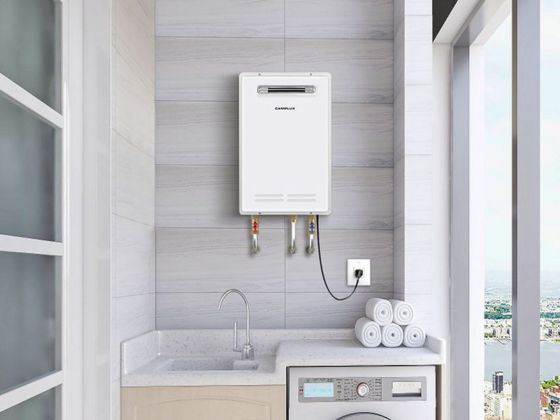
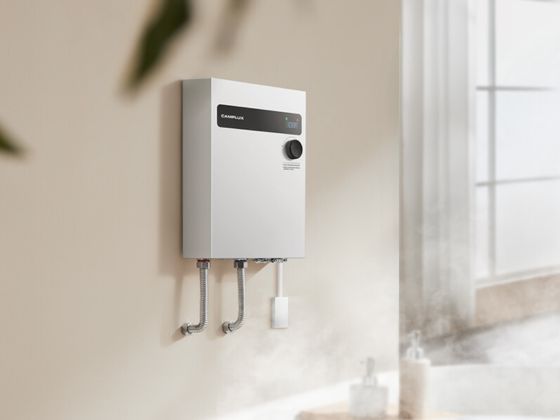

Last October, somewhere between Algonquin Provincial Park and a campsite that wasn't on any map, the temperature dropped to 4°C overnight. We'd planned for cold. We hadn't planned for the camp shower to feel like a punishment.
That trip changed how seriously I take portable water heaters. Not as a luxury — as gear that actually matters when the season is short and the weather doesn't care about your plans.
This guide covers everything Canadian campers need to know before buying a portable water heater in 2026 — flow rate, BTU, cold-weather ignition, CSA certification, and which setup fits your trip.
Why Most Campers Get This Wrong
The biggest mistake isn't buying the wrong heater. It's buying a heater sized for the wrong scenario. A solo backpacker needs something completely different from a family of four doing two weeks through BC. Flow rate, fuel consumption, ignition reliability in cold weather — these aren't specs to skim past. They're the difference between a functional camp shower and a frustrating one.
What to Look for in a Portable Water Heater (Canada-Specific)
1. Flow Rate (GPM / LPM)
Flow rate tells you how much hot water the heater produces per minute. In Canada, this matters more than in warmer climates — because your incoming water is colder. Ground water temperature across most of Canada ranges from 4°C to 10°C depending on season and region. A heater that performs fine in Texas might deliver a lukewarm trickle in northern Ontario in September.
- Solo camper or couple: 6L/min models — compact, lightweight, easy to pack
- Family of 3–4: 10L/min models — back-to-back showers without long waits
- Large groups or off-grid cabins: 16L/min or 20L/min models — maximum output, no compromises

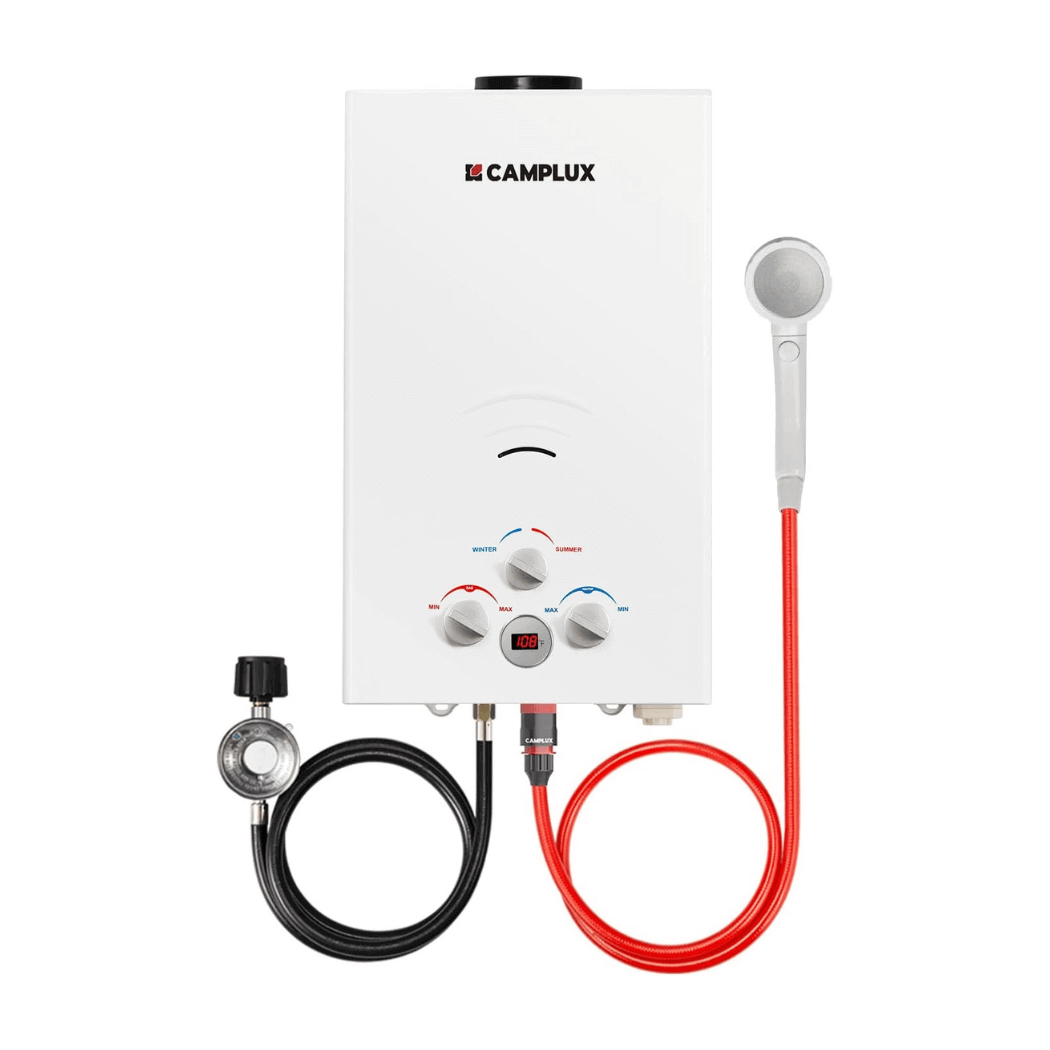
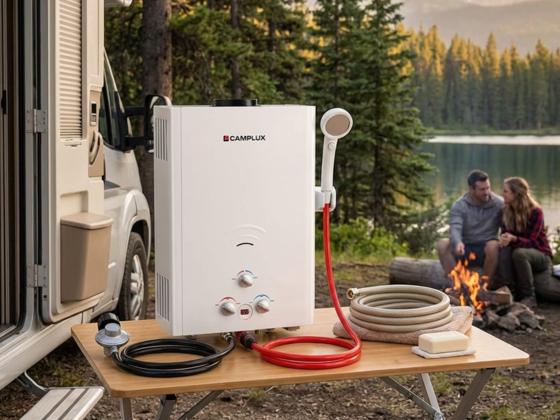
Camplux BW264 — a reliable 10L portable water heater built for Canadian camping conditions.
2. BTU Output
BTU determines how aggressively the heater raises water temperature. For Canadian shoulder-season camping — May or October — you want at least 40,000 BTU. Under 30,000 BTU and you'll feel the difference on cold mornings. Higher BTU also means you can run a higher flow rate and still hit comfortable shower temperatures.
3. Cold-Weather Ignition Reliability
Piezo ignition systems can be finicky in cold, damp conditions. Battery-powered electronic ignition is more reliable. In our own testing at 8°C ambient temperature, we ran 20 ignition attempts across different units — some lit first try every time, others needed 3–4 attempts. That gap matters when it's cold and you're impatient.

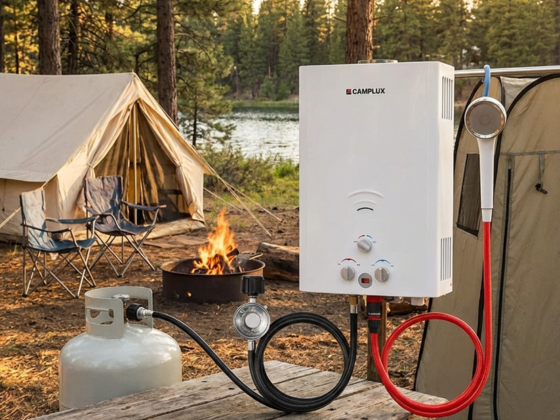
The Camplux FIRST F10 Pro uses electronic ignition — consistently reliable even at sub-10°C ambient temperatures.
4. CSA Certification
In Canada, look for CSA (Canadian Standards Association) certification on any propane appliance. It's not just a sticker — it means the unit has been tested to Canadian safety standards. Some units sold online carry only UL-listed (US standard) certification or none at all. For anything involving propane combustion, this matters.
5. Wind Resistance
Canadian campsites — lakeside spots in Ontario, exposed Prairie sites, coastal BC — can get genuinely windy. A heater without a proper wind guard will either struggle to maintain temperature or shut off entirely via its safety sensors. Look for units with built-in wind baffles or enclosed burner designs.
Propane vs Other Fuel Types: What Works in Canada
Propane is the clear winner for Canadian camping. It's widely available at Canadian Tire, Home Hardware, and most gas stations across the country. More importantly, propane performs well in cold temperatures — unlike butane, which struggles below 0°C and becomes unreliable in shoulder-season conditions.
A standard 1 lb propane canister lasts roughly 1–1.5 hours of continuous use. A 20 lb tank gives you 20–30 hours depending on the unit and settings — enough for a week-long trip with daily showers. Browse the full propane water heater range to compare output and size options.
Portable vs Camper vs RV: Which Type Do You Need?
Not all portable water heaters are the same category. Here's how they break down:
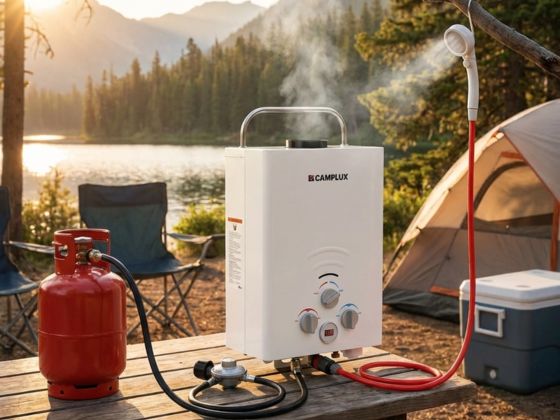
Standalone portable heaters connect to a garden hose or 12V pump. Best for tent camping, basecamp setups, and off-grid use where flexibility matters more than integration.
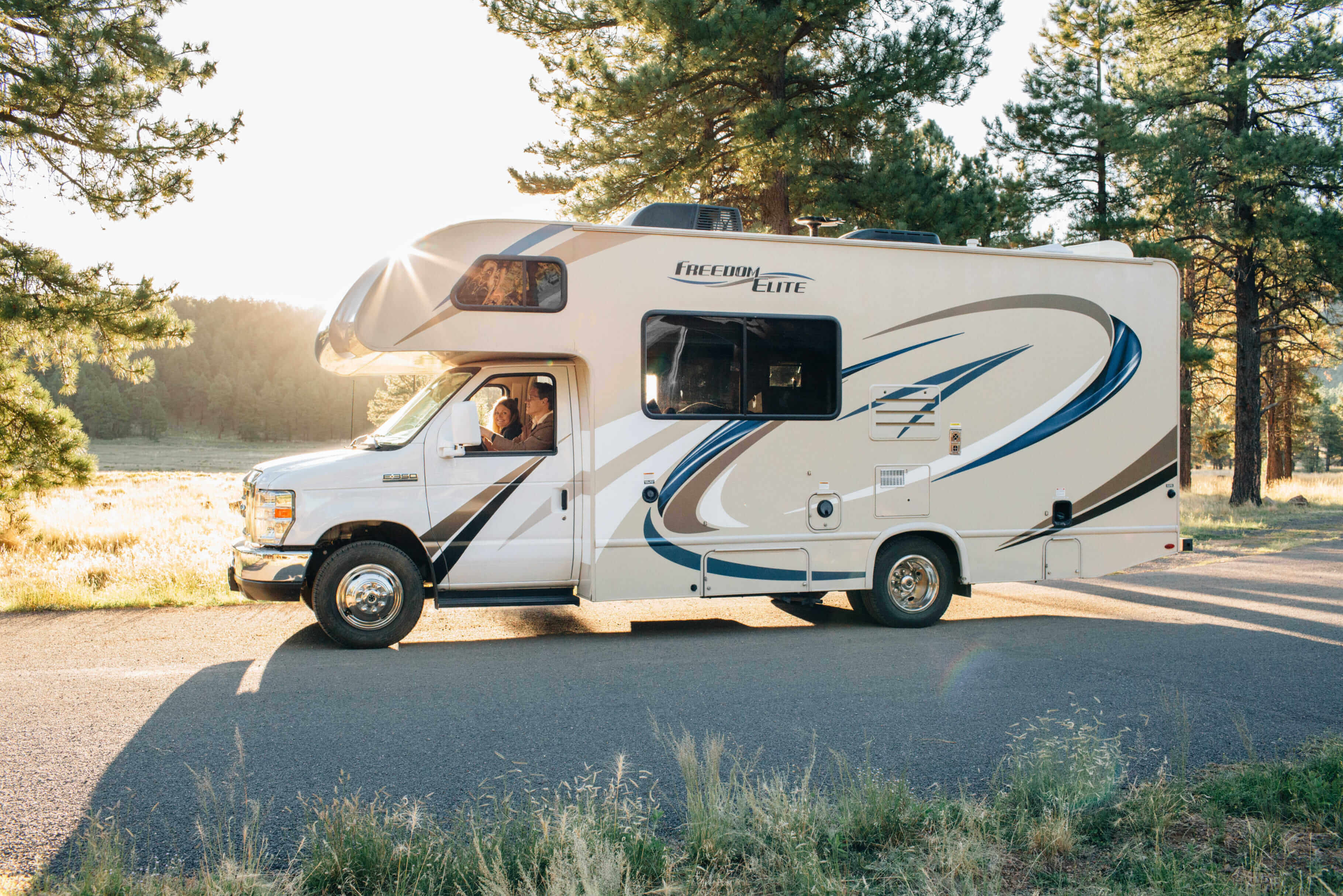
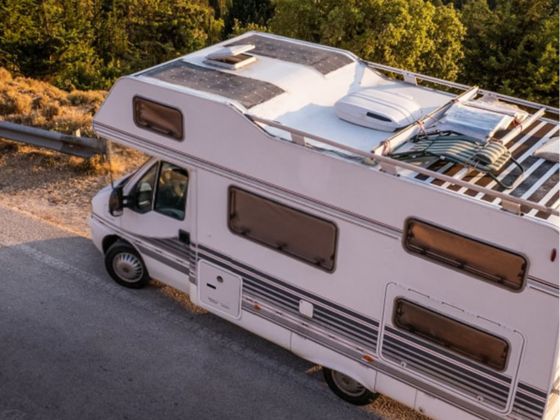
Camper water heaters are designed for vans and truck campers — they integrate with your existing water system and handle road vibration. If that's your setup, the camper water heater collection is the right starting point.
RV tankless heaters are plumbed-in units built for full RV systems. Higher output, more installation complexity, but delivers whole-vehicle hot water. See the RV tankless water heater lineup for options.

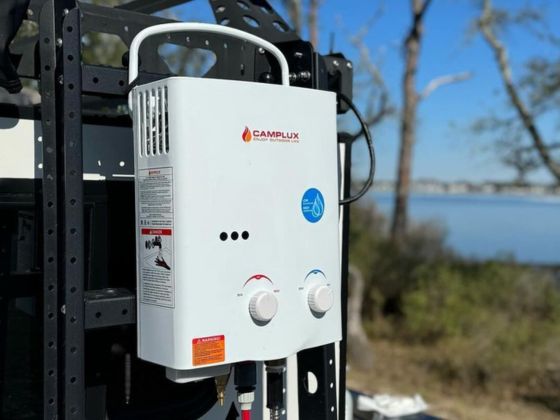
The Camplux BD422 delivers 4.22 GPM — enough output for family camp showers and off-grid cabin use.
Real-World Performance: What the Specs Don't Tell You
Cold inlet water changes everything. A heater rated for a 25°C temperature rise will output 33°C water if your inlet is 8°C. That's lukewarm. To hit 40°C+, either choose a higher BTU unit or reduce your flow rate — slower flow means more time in the heat exchanger, higher output temperature. Simple physics, but worth knowing before you're disappointed at the campsite.
Altitude reduces BTU output. Camping in the Rockies or above 1,500m? Expect a 5–10% reduction in effective heating power. Factor this in if you're heading to Banff, Jasper, or anywhere in the BC interior highlands.
Minimum water pressure triggers ignition. Most portable heaters require 0.5–0.7 GPM minimum flow to trigger ignition. Gravity-feed setups or weak pumps may not reach this threshold. A 12V diaphragm pump at 35+ PSI solves this reliably — check the water heater accessories section for compatible pump options.
Setup Tips Specific to Canadian Conditions
Pre-warm your propane tank on cold mornings. Propane pressure drops significantly in cold temperatures. A tank that sat outside at -5°C overnight should come inside your tent or vehicle for 20–30 minutes before use. You'll get better pressure and more reliable ignition.
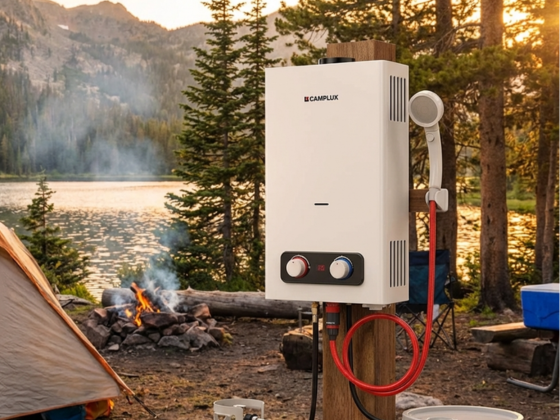
Position against a natural windbreak. Even with a built-in wind guard, placing your heater against your vehicle, a tarp wall, or a rock face improves efficiency and cuts fuel consumption — especially on exposed lakeside or Prairie sites.
Winterize before storage. After your last trip of the season, run the heater dry and store it indoors. Residual water in the heat exchanger will freeze, expand, and crack the unit. A $200 heater ruined by a $0 oversight. The accessories range includes inlet strainers and connectors that make seasonal maintenance easier.
Beyond Camping: Off-Grid Cabins and Seasonal Properties
Portable water heaters aren't just for camping. A growing number of Canadians use them for off-grid cabins, tiny homes, and seasonal properties where installing a full residential tankless water heater isn't practical. The 16L and 20L models deliver enough output for daily household use — not just camp showers.
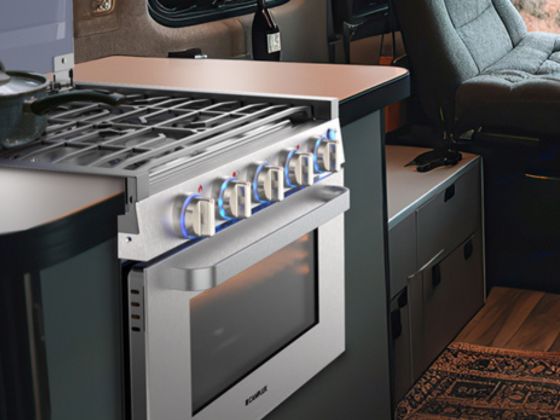
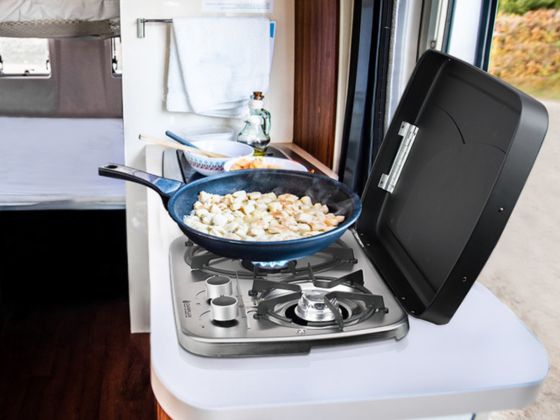
For permanent residential installs, the electric tankless water heater range is purpose-built for whole-home use and worth comparing side by side. And if you're outfitting an RV or van full-time, the complete RV appliances lineup covers everything from cooktops to range hoods alongside your water heating needs.
The Bottom Line
Portable water heaters aren't complicated — but the right choice depends entirely on your situation. Solo weekend camper? A compact 6L unit is all you need. Family doing two weeks in the backcountry? Size up and don't skimp on BTU.
For Canadian conditions: prioritize cold-weather ignition reliability, confirm CSA certification, and match flow rate to your group size. Everything else is secondary.
Start with the full portable water heater collection and use the flow rate categories to narrow it down fast. The right setup is simpler than it looks — and makes every camping trip noticeably better.